
8 Best Food For Pregnant Dog in 2026
This post contains affiliate links. As an Amazon Associate, we earn from qualifying purchases.
For pregnant dogs, nutrition directly impacts both mother and developing puppies. The Royal Canin Small Starter Mother & Babydog Dry Dog Food earns our Best Overall pick because it’s formulated specifically for late gestation and lactation, with rehydratable kibble that eases the weaning transition. Owners of small breeds should also consider the Royal Canin Starter Mousse for a soft weaning option, while those needing extra protein may prefer the VICTOR Purpose Nutra Pro.
The challenge of feeding a pregnant dog is balancing her increasing calorie needs with limited stomach space as puppies grow. Her nutritional requirements shift dramatically from early gestation through nursing, and the wrong food can leave her depleted or the puppies underdeveloped. This guide focuses on foods that support those changing needs without guesswork.
We evaluated eight foods based on their formulation for gestation and lactation, ingredient quality, caloric density, and suitability for different breed sizes. Our research draws from manufacturer specifications, veterinary nutrition guidelines, and patterns in owner feedback to help you match a food to your dog’s specific stage and size.
Top 8 Foods For Pregnant Dogs in the Market
Certain content that appears on this site comes from Amazon. This content is provided "as is" and is subject to change or removal at any time.
The Best Foods For Pregnant Dogs, Reviewed
Royal Canin Small Starter Mother & Babydog Dry Dog Food

What We Like
- Rehydratable kibble for weaning transition
- Prebiotics and digestible proteins for gut health
- Clinically proven antioxidants for immune support
- Formulated for late gestation and lactation
Trade-offs
- Dry kibble only (no wet variety in this bag)
- Not suitable for adult dogs past the lactation stage
A 14-pound bag of dry kibble that rehydrates into a porridge-like consistency means this food works for both the mother during her most demanding weeks and the puppies as they leave milk behind. Royal Canin built it around the high energy needs of late gestation and nursing. Prebiotics and highly digestible proteins help promote a healthy balance of intestinal bacteria for digestive health and optimal stool quality. The clinically proven antioxidants, including vitamins E and C, help support the healthy development of puppies’ immune systems during that vulnerable early window. For someone who wants one bag that bridges the mother’s needs and the puppies’ first solid food, this is a practical, targeted solution.
The trade-off is that this is a dry kibble only, so if your dog prefers wet food or needs extra moisture, you will be mixing or rehydrating every serving. Compared to the Royal Canin Starter Mousse wet food, which is formulated for mothers and babydogs with an exclusive nutritional complex, this bag demands a little more prep work to get that porridge consistency. But for the mother who is eating for a litter and the puppies learning to chew, the rehydratable kibble gives you control over texture as they progress. It is a methodical approach to a messy transition, and it works.
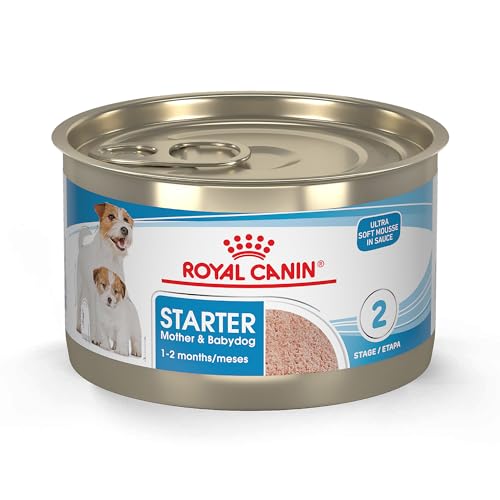
Royal Canin Starter Mousse Puppy Food Wet Dog Food
What We Like
- Soft mousse texture eases weaning transition
- Prebiotics support digestive microbiome balance
- Antioxidants help puppy immune development
- Formulated for mother's late-gestation and lactation needs
Trade-offs
- Wet food only, no dry kibble for dental abrasion
- Targeted at puppies under 2 months; not a long-term adult food
The ultra-soft mousse texture is the defining feature here. It’s designed to bridge the gap between nursing and solid food, which is exactly the tricky period when a mother dog is still feeding pups but they need to start eating on their own. The formula includes prebiotics and highly digestible proteins to support digestive health, plus antioxidants like vitamins E and C to help support the healthy development of puppies’ immune systems. This makes it a strong fit for breeders or owners with a litter that’s just starting to wean, where a smooth, palatable texture can make the difference between pups that eat and pups that refuse.
This is wet food only, so you won’t get the dental-scrubbing benefit of dry kibble. The 24-can pack is practical for a litter but takes up more pantry space than a bag of dry food. For the weaning window specifically, though, the texture and targeted nutrition make it a logical choice for mothers and puppies up to 2 months old.
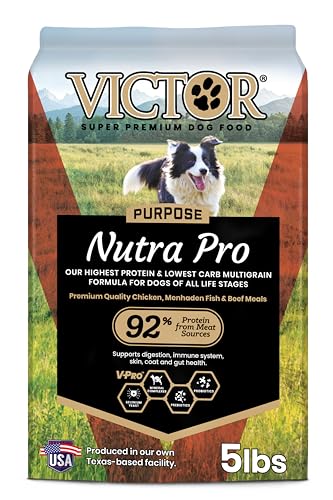
VICTOR Purpose Nutra Pro Dry Dog Food
What We Like
- Multi-meat formula for sustained energy
- Suitable for all life stages
- Gluten-free, low carb kibble
Trade-offs
- 5 lb bag is small for large breed pregnancies
- High protein content unsuitable for sedentary or senior dogs
With 38% protein from chicken, fish, and beef meals, this formula packs the densest protein content in the guide, which supports muscle maintenance and energy for active dogs. The low-carb, gluten-free grain blend provides a nutrient-dense option for dogs with high physical demands. VICTOR designed this for active dogs of all ages, including sporting dogs. It is suitable for all life stages from puppy to adult, making it a versatile choice for owners who want a single bag that works for multiple dogs or life stages.
Not every dog handles 38% protein well, especially if they have a sensitive stomach or are used to a lower-protein diet, so a gradual transition is smart here. The bag is 5 pounds, which means owners of large dogs will need to buy more frequently than with a 14-pound bag like Royal Canin Small Starter Mother & Babydog. If your dog tolerates rich food and you want a high-protein, all-life-stages food, this bag covers a wide range of needs without compromise.
VICTOR Hi-Pro Plus Dry Dog Food

What We Like
- Multi-meat protein from beef, chicken, pork, fish
- Formulated for pregnant and lactating females
- Gluten-free with VPro vitamin-mineral blend
- Made in company-owned Texas facility
Trade-offs
- Not suitable for large-breed puppy growth
With 30% protein and 20% fat, this formula puts the calories where a pregnant or nursing dog needs them most: muscle maintenance and milk production. The multi-meat lineup (beef, chicken, pork, fish meals) gives a broader amino acid profile than a single-protein food, which matters when her body is pulling resources from everywhere to support growing pups. It’s also labeled for all life stages except large-breed puppy growth, so it can carry her from breeding through weaning without a switch. The VPro blend of supplements and minerals is formulated to help maximize genetic potential, supporting overall health during demanding periods.
The 20% fat content delivers dense energy for high-drive dogs, but dogs not used to rich food may need a slow switch to avoid digestive upset. Royal Canin’s Mother & Babydog formula targets small breeds and has a different fat profile, so if your dog has specific dietary needs, that could be an alternative. For a healthy, active pregnant dog who needs concentrated calories and varied protein sources in one bag, VICTOR Hi-Pro Plus gives exactly what the label promises. No filler, just high-protein nutrition from a U.S. facility that controls its own supply chain.
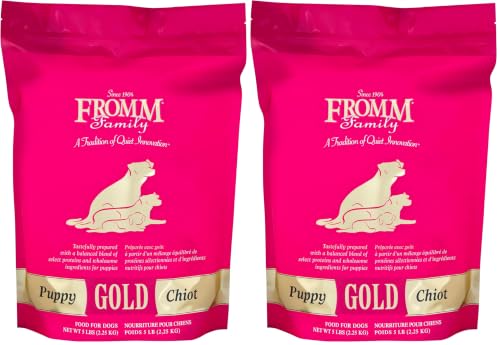
Fromm Puppy Gold Premium Dry Dog Food
What We Like
- Formulated for gestation and lactation
- Three animal protein sources for amino acids
- Whole grains provide energy and fiber
- Family-owned company with long history
Trade-offs
- 5 lb bag is smaller than some competitors
- Not formulated specifically for large breeds
- Contains grains, not grain-free
This food meets the AAFCO nutrient profiles for gestation, lactation, and growth, so it covers the nutritional needs of a female dog expecting or nursing without requiring extra supplements. The recipe includes chicken, duck, and lamb as protein sources, which supply amino acids for muscle maintenance and tissue repair. The whole grains provide energy and fiber, supporting steady digestion. Fromm has been family-owned since 1904, a history that reflects consistent attention to pet nutrition.
The 5-pound bag is smaller than the 14-pound bag of Royal Canin Small Starter Mother & Babydog, so you may need to buy more frequently if feeding a female dog that is expecting or nursing. For small breeds, the smaller bag may be convenient for freshness, but the larger competitor bag could reduce the number of purchases. Fromm uses three animal protein sources, which can offer variety that some dogs find appealing, especially when appetite changes during pregnancy.
PetAg Dyne High Calorie Liquid Supplement

What We Like
- High-calorie formula supports pregnant and lactating dogs
- Low volume won't limit stomach capacity for normal diet
- Sweet vanilla flavor increases palatability
- Can be fed directly or poured over food
Trade-offs
- Requires shaking before each use for consistent nutrition
- High fat content unsuitable for dogs needing low-fat diets.
The concentrated calories in this liquid supplement deliver dense energy without filling up stomach space needed for a pregnant dog’s regular diet. That’s the whole point when a mom-to-be needs extra fuel but already has limited room from growing puppies. It works for active, underweight, and senior dogs too, but the sweet vanilla flavor and easy pour-over-food directions make it especially practical for a picky pregnant dog who might turn her nose up at kibble. PetAg is a trusted leader in pet wellness, and the one-gallon size means you won’t be reordering every week.
The trade-off is that this is a supplement, not a complete meal, so you still need a balanced base food. The liquid form also means you’ll want to shake it well each time and watch for spills. If your pregnant dog is eating well but needs an extra boost, this is a straightforward tool for the job.
Product photos
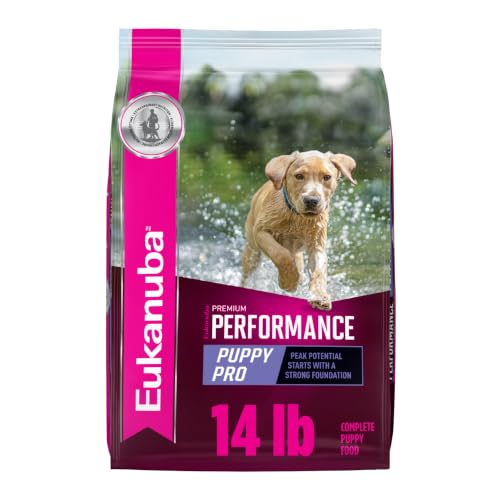
Eukanuba Premium Performance Puppy Pro Dry Dog Food
What We Like
- Approved for gestation and lactation
- Clinically proven DHA for brain development
- Glucosamine and chondroitin for joint support
- Kibble shape slows food intake
Trade-offs
- Designed for puppies up to 15 months only
- Not suitable for adult dogs over 15 months
With a minimum of 28% protein and 18% fat, this food delivers concentrated nutrition for athletic, highly active puppies up to 15 months old. It is also approved for gestation and lactation, so a female dog that is expecting or nursing can eat it too. The formula includes clinically proven levels of DHA to support brain development, plus glucosamine and chondroitin sulfate with EPA for joint health. The kibble shape is designed to promote chewing and slow food intake, which can help dogs that eat quickly.
This food packs a minimum of 28% protein and 18% fat, so it’s built for athletic puppies who burn serious energy, not for couch potatoes or dogs that gain weight easily. The concentrated nutrition targets highly active puppies up to 15 months old, and it’s also approved for gestation and lactation, meaning a mom nursing a litter can use it to keep her condition up. But if your dog is a low-energy breed or tends to put on pounds, you’ll need to watch portions carefully because the calorie density is designed for performance, not maintenance.
Product photos
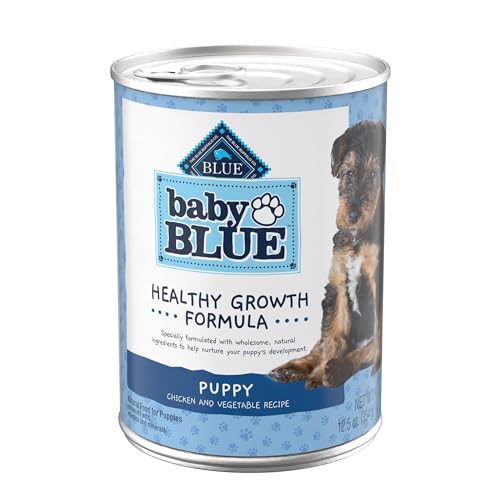
Blue Buffalo Baby BLUE Chicken & Vegetable Puppy Wet Dog Food
What We Like
- Real chicken listed as #1 ingredient
- Includes DHA for cognitive development
- No corn, wheat, or soy
- Can serve as meal, topper, or treat
Trade-offs
- Wet food only, no crunchy texture for dental health
- 12.5 oz cans are large for small-breed puppies
DHA is the headline here, supporting cognitive function and retinal health in puppies, which is exactly what growing puppies need from the start. Real chicken comes first in the ingredient list, so you’re getting animal protein as the foundation rather than fillers. The wet food format means it’s easy to serve as a meal, topper, or treat, and it provides extra moisture for puppies. No corn, wheat, or soy also means fewer chances for digestive upset during a sensitive time.
Chicken is the #1 ingredient in this wet puppy food, so you’re getting real meat as the primary source of protein. Compared to a dry food like Royal Canin Small Starter Mother & Babydog, this is a completely different texture, soft and easy to chew, which is great for a puppy’s developing teeth. The 12.5-oz cans are a practical size for a growing pup, and you can serve this as a meal, a topper, or a treat.
Product photos
How We Evaluated Foods For Pregnant Dogs
Our evaluation began with manufacturer specifications and veterinary nutritional guidelines for gestation and lactation. We looked for foods with clinical feeding trials or formulations designed specifically for pregnant and nursing dogs, not just generic all-life-stages claims. Owner feedback patterns helped us understand palatability and digestive tolerance across different breeds.
The four criteria that mattered most were caloric density, protein and fat ratios, inclusion of DHA for puppy brain development, and the presence of prebiotics or digestible proteins for maternal gut health. A food that checks all four boxes supports the mother through the demanding weeks of late pregnancy and nursing without causing digestive upset.
Like any research-led evaluation, this guide can’t replace a veterinarian’s advice for your specific dog. Every pregnancy is different, and underlying health conditions or breed-specific predispositions may require a tailored diet. We recommend reviewing any food change with your vet, especially during pregnancy. For a deeper look at the options, our guide on puppy food for pregnant dogs covers additional formulations.
What To Look For In Foods For Pregnant Dogs
Choosing the right food for a pregnant dog means looking beyond the label to understand what the mother actually needs at each stage. The wrong balance can lead to weight loss, poor milk production, or underdeveloped puppies.
Focus on foods formulated for gestation and lactation. They should have high caloric density, adequate protein and fat, and added DHA for puppy brain development. Digestible ingredients that won’t upset a sensitive digestive system during the final weeks of pregnancy are also key.
Caloric Density and Stomach Capacity
During the last third of pregnancy, the growing puppies take up significant space in the abdomen, reducing the mother’s stomach capacity. She needs more calories but can eat less volume per meal. Look for foods with higher caloric density, typically several hundred kcal per cup for dry foods, so she gets enough energy without needing to eat huge portions. A lactation diet often has even higher density to support milk production.
Protein and Fat Content
Pregnant dogs require more protein for fetal development and more fat for energy reserves. A good gestation food should have at least a certain percentage of protein and fat on a dry matter basis. Some high-protein options like the VICTOR Hi-Pro Plus go above 30% protein, which works well for active mothers but may be too rich for dogs with sensitive digestion. The nutritional needs for nursing dogs are even higher, so choosing a food that supports both stages saves you from switching formulas mid-stream.
DHA for Puppy Brain Development
Docosahexaenoic acid (DHA) is an omega-3 fatty acid critical for cognitive and visual development in puppies. Foods like the Eukanuba Performance Puppy and Blue Buffalo Baby BLUE include clinically proven levels of DHA. The mother passes DHA through her milk, so feeding her a DHA-rich food during late gestation and lactation directly benefits the litter. For a complete timeline of when these needs peak, the dog pregnancy timeline breaks down each stage.
Digestibility and Gut Health
Pregnancy can make a dog’s digestive system more sensitive. Prebiotics, probiotics, and highly digestible protein sources help maintain gut health and nutrient absorption. The Royal Canin options include prebiotics and digestible proteins specifically for this reason. Foods with too much fiber or unfamiliar protein sources may cause loose stools or reduced appetite at a time when every calorie counts.
- Check that the food is labeled for “gestation and lactation” or “all life stages including growth.”
- Confirm the calorie content per cup or can to compare density between brands.
- Look for guaranteed minimums of DHA and omega-3 fatty acids.
- Avoid foods with excessive calcium unless your vet recommends it for large breeds.
- Choose a size bag or case that matches your dog’s expected intake through weaning.
A good rule of thumb: if the food isn’t labeled for gestation or growth, it probably doesn’t have enough calories or nutrients for a pregnant dog’s needs.
Foods For Pregnant Dogs Compared
The table below compares the eight foods across key criteria for pregnant dogs, including formulation stage, protein and fat levels, and special features like DHA or rehydratable kibble.
| Product | Form | Target | Key Nutrients | Life Stage |
|---|---|---|---|---|
| Royal Canin Small Starter Mother & Babydog Dry Dog Food | Dry kibble, rehydratable | Mothers & puppies up to 2 months | Prebiotics, highly digestible proteins | Mothers & puppies up to 2 months |
| Royal Canin Starter Mousse Puppy Food Wet Dog Food | Ultra soft mousse | Mothers & puppies up to 2 months | Prebiotics, antioxidants, highly digestible proteins | Mothers & puppies up to 2 months |
| VICTOR Purpose Nutra Pro Dry Dog Food | Dry kibble | All life stages, including pregnancy | 38% protein | All life stages, including pregnancy |
| VICTOR Hi-Pro Plus Dry Dog Food | Dry kibble | All life stages (except large-breed growth) | 30% protein | All life stages (except large-breed growth) |
| Fromm Puppy Gold Premium Dry Dog Food | Dry kibble | Puppies, pregnant/nursing mothers | Chicken, duck, lamb | Puppies, pregnant/nursing mothers |
| PetAg Dyne High Calorie Liquid Supplement | Liquid supplement | Pregnant, lactating, active, senior | High-calorie, low-volume | Pregnant, lactating, active, senior |
| Eukanuba Premium Performance Puppy Pro Dry Dog Food | Crunchy kibble | Up to 15 months | DHA, glucosamine, chondroitin | Gestation and lactation approved |
| Blue Buffalo Baby BLUE Chicken & Vegetable Puppy Wet Dog Food | Wet Food | Puppies | DHA & ARA | Puppies |
Frequently Asked Questions
Can I feed my pregnant dog regular adult dog food?
Regular adult maintenance food usually lacks the calories, protein, and DHA that a pregnant dog needs. Most adult formulas have lower protein and fat content, which is insufficient for fetal development and milk production. Switch to a gestation-labeled or all-life-stages food by the fifth week of pregnancy.
How much should I feed a pregnant dog in the last trimester?
A pregnant dog’s food intake typically increases by a significant percentage during the last three weeks of gestation. Feed smaller, more frequent meals since the growing puppies reduce stomach space. By the time she whelps, she may need substantially more calories than her normal maintenance amount.
What is the difference between food for pregnant dogs and food for nursing dogs?
Nursing dogs have even higher calorie and nutrient demands than pregnant dogs because milk production is energetically expensive. A food labeled for “gestation and lactation” covers both stages. If you’re using a food only labeled for gestation, you may need to supplement with a high-calorie option like PetAg Dyne or switch to a food for nursing moms after whelping.
Should I give my pregnant dog calcium supplements?
Not without veterinary guidance. Pregnancy and lactation trigger natural calcium regulation, and oversupplementation can cause serious health problems. Most quality gestation foods contain adequate calcium levels. If your vet identifies a deficiency, they may recommend specific calcium supplements rather than general supplementation.
When should I switch a pregnant dog to puppy food?
Many breeders switch to a high-quality puppy food around the fifth week of pregnancy because puppy foods are calorie-dense and nutrient-rich. Foods labeled for “gestation and lactation” or “all life stages” work similarly. The key is making the transition gradual over several days to avoid digestive upset. Our care guide covers the full feeding timeline.
The Bottom Line
The Royal Canin Small Starter Mother & Babydog Dry Dog Food is the best overall choice for owners of small-breed pregnant dogs. It supports the mother through late gestation, lactation, and the weaning transition with a single food. Its rehydratable kibble and prebiotic formula address the two biggest challenges of this period: digestive sensitivity and the shift to solid food for puppies.
If your dog needs extra calories without increasing meal volume, the PetAg Dyne High Calorie Liquid Supplement is a practical add-on that won’t compete with her regular food. For owners who prefer wet food during the weaning phase, the Royal Canin Starter Mousse offers the same nutritional philosophy in a soft texture that tiny mouths can manage.
The single most important factor is starting with a food specifically formulated for gestation and lactation, not a generic adult maintenance diet. Your dog’s body is building an entire litter, feed her like it.
