
7 Best Dog Food For Dogs With High Liver Enzymes in 2026
This post contains affiliate links. As an Amazon Associate, we earn from qualifying purchases.
For dogs with high liver enzymes, the right diet can make a real difference in managing their condition. Our best overall pick is Hill’s Prescription Diet l/d Liver Care Dry Dog Food. It uses controlled protein to reduce liver workload and low copper to minimize accumulation. For dogs that prefer wet food, the Royal Canin Veterinary Hepatic Adult Wet Dog Food earned our award for best wet food, while JustFoodForDogs Frozen Fresh Prescription Hepatic Dog Food is our top choice for a fresh, human-grade formula.
When your vet flags elevated liver enzymes, you’re suddenly navigating a world of prescription diets, copper levels, and protein restrictions. The challenge is finding a food that supports liver function while still being something your dog will actually eat. Many owners end up cycling through options, unsure which nutrients matter most or whether a non-prescription diet can work.
We built this guide by analyzing manufacturer specifications, veterinary feeding protocols, and patterns in owner feedback for the most commonly recommended liver-support diets. You’ll find seven options covering different formats and dietary approaches, with clear explanations of what each formula targets and who it suits best.
Top 7 Dog Foods For Dogs With High Liver Enzymes in the Market


Certain content that appears on this site comes from Amazon. This content is provided "as is" and is subject to change or removal at any time.
The Best Dog Foods For Dogs With High Liver Enzymes, Reviewed
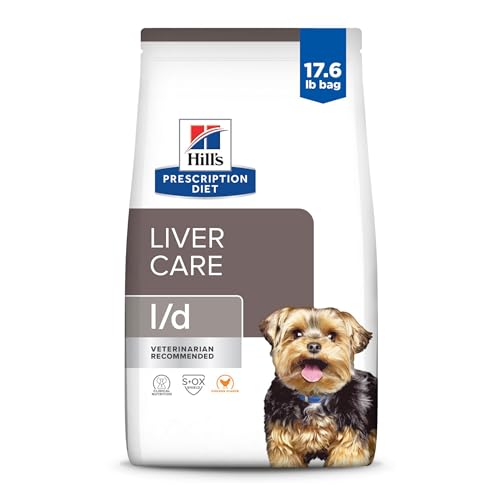
Hill's Prescription Diet l/d Liver Care Dry Dog Food
What We Like
- Controlled protein reduces liver workload
- Low copper minimizes liver accumulation
- Clinically proven antioxidants support immunity
Trade-offs
- Requires veterinary prescription to purchase
- Only available in dry food form, not wet
The central challenge with high liver enzymes is that too much protein stresses the organ while too little starves the body. This food is designed to reduce the workload on your dog’s liver with controlled levels of highly digestible protein. It also includes low copper to prevent mineral buildup and clinically proven antioxidants to support immune function. For owners whose vet has confirmed liver issues and wants a dry food that addresses the root dietary triggers without guesswork, this formula offers a targeted approach.
You cannot grab this off a shelf without a vet’s okay, which is a deliberate safeguard but adds a step if your dog’s diagnosis is recent and you want to start dietary changes today. Compared to Royal Canin’s Hepatic wet food, this dry formula is more practical for long-term storage and portion control. If your dog will eat kibble and your vet gives the green light, the controlled protein and copper levels here make it a straightforward choice for daily liver support.
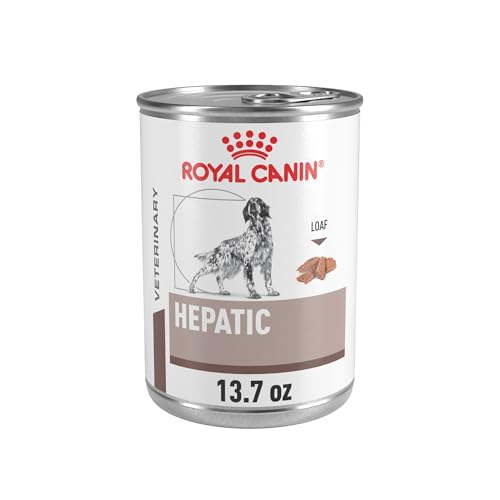
Royal Canin Veterinary Hepatic Adult Wet Dog Food
What We Like
- Low copper minimizes liver cell accumulation
- Highly digestible proteins support liver function
- Antioxidant blend supports immune system
- Prebiotics promote healthy gut microbiome
Trade-offs
- Wet food format means shorter fridge life after opening
- Higher moisture content reduces calorie density per bite
Low copper content is the single most decisive feature here, because it helps minimize copper accumulation in a dog’s liver cells. Royal Canin formulates this wet food with adapted levels of highly digestible proteins so the liver doesn’t have to work as hard to process them. It also includes a precise blend of antioxidants to support the immune system and prebiotics for gut health, making it a complete support package for dogs whose livers need a break. The adapted energy content helps reduce meal volume and decrease intestinal load.
Wet food means you’re dealing with opened cans that need refrigeration and a shorter shelf life once opened, which is less convenient than dry kibble you can leave in a bowl. If your dog turns up its nose at dry food or needs the extra moisture, this is worth the extra fridge space.
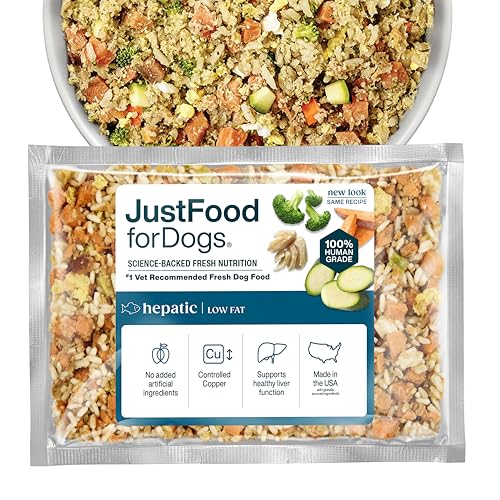
JustFoodForDogs Frozen Fresh Prescription Hepatic Dog Food
What We Like
- 100% human-grade ingredients
- Science-backed by vet team
- No preservatives or growth hormones
- Use as meal or topper
Trade-offs
- Requires freezer storage
- Thawed food must be used in 4 days
- Frozen format less convenient than dry
This is a high-calorie, preservative-free frozen diet, so it works well for dogs that need concentrated nutrition without extra fillers or additives. The limited-ingredient, human-grade recipe uses whole foods that are gently cooked to preserve nutrients, which matters when a dog’s liver is already working hard. It suits owners who want a fresh, vet-formulated diet that feels closer to home cooking than a bag of kibble, especially for picky eaters or dogs with reduced appetites.
The freezer commitment is the main consideration here. Unlike Hill’s Prescription Diet l/d Liver Care, which you can scoop from a bag and store in the pantry, this food lives in your freezer and, once thawed, must be used within four days. That works best for households that plan meals ahead and have the freezer space. For those who prefer grab-and-go convenience, the shelf-stable option may be a better fit, but if your goal is whole-food, minimally processed liver support, this delivers on that promise without compromise.
Product photos
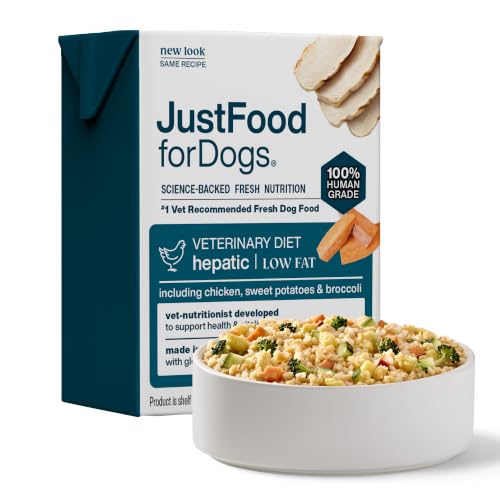
JustFoodForDogs Pantry Fresh Prescription Hepatic Dog Food
What We Like
- 100% human grade ingredients
- Vet-recommended brand with published feeding trials
- Prescription hepatic formula for liver support
Trade-offs
- Wet food format requires refrigeration after opening
- Requires a veterinary prescription to purchase.
For dogs with high liver enzymes, the low protein, limited ingredient formula is designed to reduce metabolic load on the liver while still providing complete nutrition.
SquarePet VFS Low Phosphorus Special Needs Dry Dog Food
What We Like
- Low phosphorus supports kidney health
- Cage free turkey and whole eggs for protein
- Antioxidants vitamins E & C for immunity
- Omega-3 fatty acids DHA & EPA included
Trade-offs
- 4.4 lb bag is small for large breeds
- Dry food only, no wet formula option
Targeted levels of phosphorus and sodium are what make this food a practical choice for dogs whose kidneys need support. The protein comes from cage-free turkey and whole eggs, which supply taurine for heart health and L-carnitine to help metabolize fatty acids for energy. Antioxidant vitamins E and C support the immune system, and salmon oil provides DHA and EPA omega-3s for brain function and immune support.
The bag weighs 4.4 pounds, so it will run out quickly for a medium or large dog, meaning you will need to reorder more often. Hill’s Prescription Diet l/d Liver Care comes in a 17.6-pound bag, so SquarePet is a smaller option that works well for owners who want to start with a modest amount. This is a dry food only, so if your dog needs a wet diet for hydration or palatability, you will need to choose a different product.
Product photos
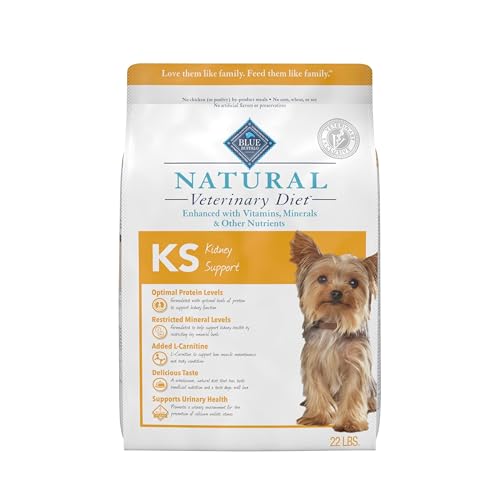
Blue Buffalo Natural Veterinary Diet Kidney Support Dog Food
What We Like
- Real chicken is first ingredient
- Controlled protein, phosphorus, and sodium
- No corn, wheat, soy, or by-products
- Veterinary diet supports kidney function
Trade-offs
- Requires veterinarian authorization to purchase
- Dry kibble only, no wet option in this line
Controlled levels of protein, phosphorus, and sodium mean this food is built to reduce the workload on a dog’s kidneys, which is exactly what matters for kidney support. The first ingredient is real chicken, and the formula skips corn, wheat, soy, and poultry by-product meals, so you’re not feeding fillers that complicate digestion. This dry diet suits owners who want a straightforward, prescription-grade kibble that targets kidney support without extra fluff in the ingredient list.
This is a prescription food, so you need a vet’s okay before it can be shipped, no grabbing a bag on a whim. If your dog prefers wet food or needs a softer texture, you’ll have to look elsewhere, as this product is only available as dry kibble.
Product photos
Hill's Prescription Diet h/d Heart Care Dry Dog Food
What We Like
- Supports heart health with L-carnitine and taurine
- Reduced sodium helps maintain normal blood pressure
- Added potassium and magnesium replenish diuretic losses
- Controlled protein and phosphorus support liver and kidney function
Trade-offs
- Prescription required, vet consultation needed before purchase
- Designed for heart care, not a dedicated liver-only formula
A 17.6-pound bag of kibble formulated with reduced sodium, controlled protein and phosphorus, and added potassium and magnesium means this food is built for dogs whose heart health needs targeted nutritional support. The high levels of L-carnitine and taurine target cardiac function, while the moderated protein and phosphorus take pressure off the kidneys. That focus makes it a practical choice when your vet has diagnosed heart concerns and you want one food that handles cardiac care without juggling supplements or mixing cans.
This is a heart formula, not a dedicated liver diet. If your dog’s primary issue is liver enzymes alone, the Hill’s Prescription Diet l/d Liver Care Dry Dog Food would be a more targeted option. But for heart management, the h/d formula’s controlled mineral and protein levels support cardiac health in a single bag. You will need a vet’s prescription to buy it, and the dry kibble texture might not work for every dog, but for owners managing heart conditions, this food simplifies a complicated feeding routine.
Product photos
How We Evaluated Dog Foods For Dogs With High Liver Enzymes
Our evaluation started with the nutritional profiles that matter most for liver health: protein content and source, copper levels, phosphorus, and sodium. We cross-referenced these numbers against veterinary guidelines for managing elevated liver enzymes. Manufacturer documentation and published feeding trial data informed our understanding of each formula’s intended use.
We prioritized three criteria above all others. Controlled, high-quality protein reduces the liver’s workload because it produces fewer waste byproducts. Low copper content prevents further accumulation in liver cells, which can worsen damage. And a balanced antioxidant profile supports the immune system and helps manage oxidative stress. These three factors appear consistently in veterinary recommendations for dogs with liver issues.
The honest limit of this research-based approach is that individual dogs respond differently. What works for one may not work for another, and bloodwork changes can happen slowly. We relied on published data and owner experience patterns rather than controlled feeding trials, so your vet’s guidance should always take precedence over any general recommendation.
What To Look For In Dog Foods For Dogs With High Liver Enzymes
Choosing a diet for a dog with high liver enzymes means looking past the marketing claims and focusing on specific nutrient levels. Here are the key factors to discuss with your veterinarian.
Focus on controlled protein from high-quality sources, low copper content, reduced phosphorus and sodium, and an antioxidant-rich formula. Always transition slowly and monitor bloodwork after dietary changes.
Controlled, High-Quality Protein
Protein is essential, but when the liver is stressed, it struggles to process protein waste products like ammonia. The goal is to provide enough protein to maintain muscle mass without overloading the liver. Look for highly digestible protein sources, eggs, chicken, turkey, or whey, that produce fewer waste byproducts. Most veterinary liver diets contain moderate protein levels, but your dog’s specific needs depend on their condition and bloodwork.
Low Copper Content
Copper accumulation in the liver is a known contributor to liver damage in some dogs. Many commercial dog foods contain copper levels that are fine for healthy dogs but problematic for those with liver issues. A low copper diet for liver support typically keeps copper at a low level.
Some breeds, including Bedlington Terriers and Labrador Retrievers, have a genetic predisposition to copper storage disease and may need even stricter limits. Your vet can check copper levels in your dog’s liver tissue to determine how strict the restriction needs to be.
Reduced Phosphorus and Sodium
Phosphorus and sodium are often restricted in liver-support diets for good reason. High phosphorus can worsen kidney function, which is frequently compromised alongside liver issues. Sodium restriction helps manage fluid retention and blood pressure. Most veterinary liver diets keep phosphorus and sodium at levels significantly lower than what you’d find in standard adult maintenance foods.
Antioxidant and Vitamin Support
- Look for added vitamins E and C, which act as antioxidants to reduce oxidative stress on liver cells.
- B vitamins are often lower in dogs with liver disease and may need supplementation.
- Omega-3 fatty acids from fish oil or flaxseed can help reduce inflammation.
- Avoid formulas with added copper or iron, as these can worsen liver accumulation.
A dog with liver issues needs a diet tailored to its bloodwork, not a generic “liver support” formula. Work with your vet to match the food to the numbers.
Dog Foods For Dogs With High Liver Enzymes Compared
The table below compares the seven liver-support dog foods we evaluated, highlighting their key features and best-use scenarios so you can see the differences at a glance.
| Product | Protein Type | Form | Key Additives |
|---|---|---|---|
| Hill's Prescription Diet l/d Liver Care Dry Dog Food | Controlled levels, highly digestible | Dry | Antioxidants |
| Royal Canin Veterinary Hepatic Adult Wet Dog Food | Highly digestible proteins | Wet food | Prebiotics, antioxidants |
| JustFoodForDogs Frozen Fresh Prescription Hepatic Dog Food | Limited ingredient | Frozen fresh | None added |
| JustFoodForDogs Pantry Fresh Prescription Hepatic Dog Food | Low Protein | Wet food pouches | N/A |
| SquarePet VFS Low Phosphorus Special Needs Dry Dog Food | Cage Free Turkey & Whole Eggs | Dry | Antioxidants |
| Blue Buffalo Natural Veterinary Diet Kidney Support Dog Food | Controlled | Dry | N/A |
| Hill's Prescription Diet h/d Heart Care Dry Dog Food | Controlled levels | Dry | L-carnitine, taurine |
Frequently Asked Questions
Can a dog with high liver enzymes eat regular dog food?
Most regular maintenance dog foods contain protein, copper, and phosphorus levels that are too high for a dog with elevated liver enzymes. A veterinary hepatic diet is formulated to reduce the liver’s workload while still providing balanced nutrition. Some dogs with mild elevations may manage on a limited-ingredient or senior diet, but only after your vet reviews the specific nutrient levels against your dog’s bloodwork.
How quickly can diet change improve liver enzymes in dogs?
Dietary changes typically take four to eight weeks before you see meaningful changes in bloodwork. Some dogs respond faster, especially if the elevation was mild or tied to a specific dietary trigger. Your vet will usually recheck enzymes after a month on the new diet to assess progress. Keep in mind that diet alone may not resolve the underlying cause, medication, supplements, or further diagnostics may also be needed.
What is the difference between prescription and non-prescription liver support diets?
Prescription diets like Hill’s l/d and Royal Canin Hepatic are formulated to meet strict nutrient profiles for dogs with diagnosed liver conditions. They require a veterinarian’s authorization because they are medical diets, not general wellness products. Non-prescription options may have lower protein or added antioxidants, but they don’t meet the same controlled copper, phosphorus, and sodium targets. For dogs with confirmed liver enzyme elevations, a prescription diet is usually the safer choice.
Should I add supplements to my dog’s liver support diet?
Some dogs benefit from liver supplements like SAM-e, milk thistle, or vitamin E, but these should only be added under veterinary supervision. Many prescription liver diets already contain therapeutic levels of antioxidants and B vitamins. Adding more could throw off the balance. Digestive enzymes may help if your dog has concurrent pancreatic issues, but again, your vet should guide supplementation based on bloodwork and clinical signs.
Can a dog with high liver enzymes eat treats or table scraps?
Most commercial treats and table scraps are too high in protein, fat, or copper for a dog with liver issues. Even small amounts of high-protein treats can spike ammonia levels in a compromised liver. Safe options include small pieces of cooked white potato, plain rice cakes, or low-protein commercial treats your vet approves. Always check the copper content of any treat, some seemingly innocent options like liver treats or beef jerky are very high in copper.
The Bottom Line
For dogs with diagnosed high liver enzymes, Hill’s Prescription Diet l/d Liver Care Dry Dog Food is our best overall pick. It directly targets the three main dietary concerns: controlled protein, low copper, and antioxidant support. It’s the formula most frequently recommended by veterinarians for dogs whose bloodwork shows elevated liver values, and it has a long track record in clinical use.
If your dog turns up its nose at dry kibble or needs extra hydration, the Royal Canin Veterinary Hepatic Adult Wet Food is an excellent alternative in a wet format. For owners who prefer a fresh, human-grade approach and have the freezer space to manage it, the JustFoodForDogs Frozen Fresh Prescription Hepatic formula offers a completely different texture and ingredient standard.
The single most important factor in managing liver enzymes through diet is working with your veterinarian to match the food to your dog’s specific bloodwork. No general guide can replace that conversation, your vet knows your dog’s numbers, and those numbers should drive the decision. The right dietary management for liver issues starts with a diagnosis and ends with a feeding plan you and your vet build together.
