
5 Best Hepatic Dog Food in 2026
This post contains affiliate links. As an Amazon Associate, we earn from qualifying purchases.
For dogs with liver issues, Hill’s Prescription Diet l/d Liver Care Wet Dog Food earns our best overall recommendation for its low-copper formula and controlled protein that reduces liver workload. The Royal Canin Veterinary Hepatic Adult Wet Dog Food offers another strong wet food option, while JustFoodForDogs Frozen Fresh Prescription Hepatic Dog Food brings human-grade ingredients to the table.
A liver diagnosis changes everything about feeding your dog. The right hepatic diet must minimize copper accumulation, provide easily digestible protein, and support compromised immune function, all while keeping your dog actually willing to eat. Getting this balance wrong can worsen symptoms or make recovery harder.
We built this guide by analyzing manufacturer specifications, veterinary nutrition guidelines, and patterns in owner feedback across five prescription and therapeutic foods. Our goal is to help you understand what each formula offers so you can have a more informed conversation with your veterinarian.
Top 5 Hepatic Dog Foods in the Market
Certain content that appears on this site comes from Amazon. This content is provided "as is" and is subject to change or removal at any time.
The Best Hepatic Dog Foods, Reviewed
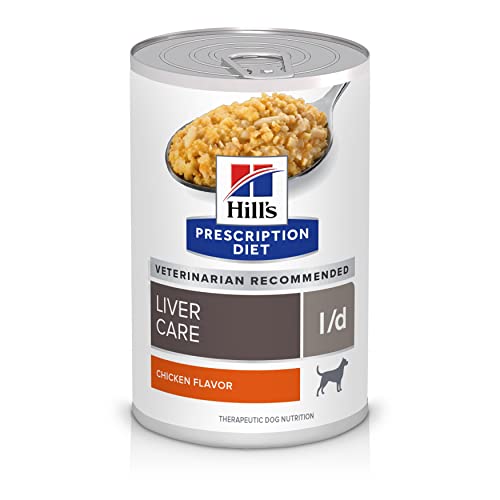
Hill's Prescription Diet l/d Liver Care Wet Dog Food
What We Like
- Low copper to minimize liver copper accumulation
- Controlled easy-to-digest protein reduces liver workload
- Clinically proven antioxidants support compromised immune system
- #1 US Vet Recommended therapeutic pet food
Trade-offs
- Requires veterinary prescription to purchase
- Wet food only, no dry kibble option in this line
The low copper content is the single most critical feature here for a dog with liver issues, since copper buildup can worsen liver damage over time. Combined with controlled levels of easy-to-digest protein that directly reduce the liver’s workload, this canned food is designed to take pressure off an already struggling organ. It also packs clinically proven antioxidants to support the immune system, which is especially important when the liver isn’t filtering toxins as well as it should. This formula addresses the three biggest concerns, copper, protein load, and immune support, in one product backed by veterinary recommendation.
Hill’s Prescription Diet l/d Liver Care Wet Dog Food is the #1 US Vet Recommended therapeutic pet food, so you’ll need a prescription from your veterinarian before buying. That means a vet visit and a proper diagnosis to ensure this food fits your dog’s needs. Compared to the JustFoodForDogs Hepatic options, which also require a prescription, Hill’s comes in a canned wet food form that’s easy to open and serve without any special storage.
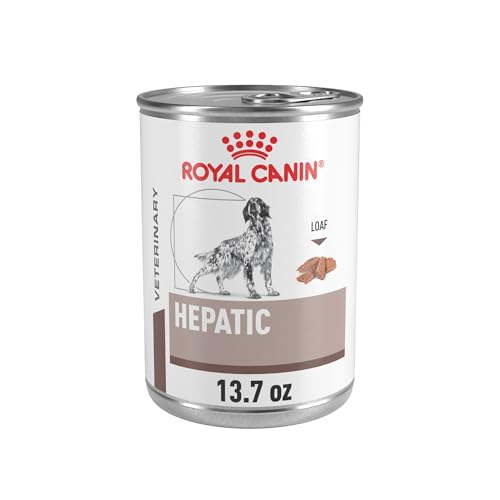
Royal Canin Veterinary Hepatic Adult Wet Dog Food
What We Like
- Adapted energy reduces meal volume
- Prebiotics support gut microbiome
- Low copper helps minimize liver accumulation
Trade-offs
- Only available in wet food form
- No dry food option in this product line
A reduced meal volume means less food for your dog to process at each sitting, which can make a real difference when appetite is already touchy. The adapted energy content in this formula helps decrease intestinal load, so a dog with liver concerns doesn’t have to work as hard to digest its meal. Many owners find that smaller, more concentrated portions are easier for a picky or lethargic dog to finish, which supports consistent nutrition during recovery or ongoing management.
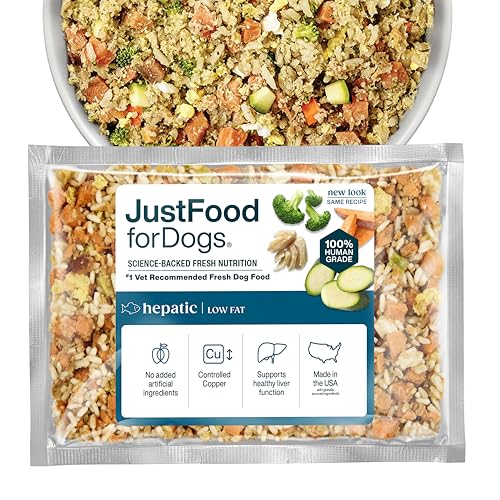
JustFoodForDogs Frozen Fresh Prescription Hepatic Dog Food
What We Like
- 100% human-grade whole food ingredients
- No preservatives, additives, or growth hormones
- Can be used as full meal or topper
Trade-offs
- Requires freezer storage and thawing before feeding
- Once thawed, must be used within 4 days
- Frozen format limits portability for travel
Every ingredient in this frozen prescription diet is human-grade, meaning it’s fit for your own kitchen. That detail matters when your dog needs liver support and you want full transparency about what goes into their bowl. Backed by independent university research within AAFCO protocol, this is the only fresh dog food brand used in feeding trials published in peer-reviewed scientific journals. The recipe is preservative-free and high-calorie, which can help tempt a dog with a reduced appetite, though you’ll need to manage freezer storage for up to a year.
The trade-off is the logistics. Unlike Hill’s Prescription Diet l/d, which comes in cans you can grab and open anywhere, this food needs a freezer spot and a 4-day window once thawed. If you travel frequently or lack freezer space, the convenience gap is real. But if you have the discipline to thaw a pack every few days and value fresh, gently cooked ingredients over canned convenience, the nutritional clarity here is hard to beat. Just make sure your vet signs off before switching.
Product photos
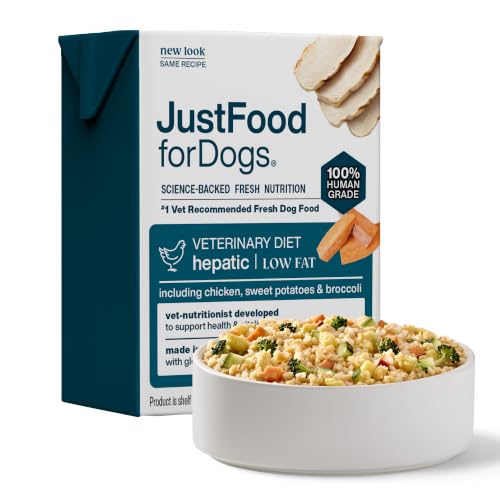
JustFoodForDogs Pantry Fresh Prescription Hepatic Dog Food
What We Like
- 100% human-grade, preservative-free ingredients
- 40% more digestible than dry dog food
- Developed by board-certified nutritionist team
Trade-offs
- Requires vet prescription for purchase
- Not suitable for dogs needing high-protein diets
The trade-off is that this is a prescription diet, so you are making a trip to the vet before you can order it. And while the low-protein formulation is exactly what hepatic dogs need, it will not fuel a high-energy dog without liver concerns. Compared to Hill’s l/d Liver Care wet food, which comes in 13-ounce cans and is the longtime standard in veterinary clinics, JustFoodForDogs offers fresher ingredients and a shorter ingredient list. But it requires a prescription and a higher commitment to a fresh-food routine.
Product photos
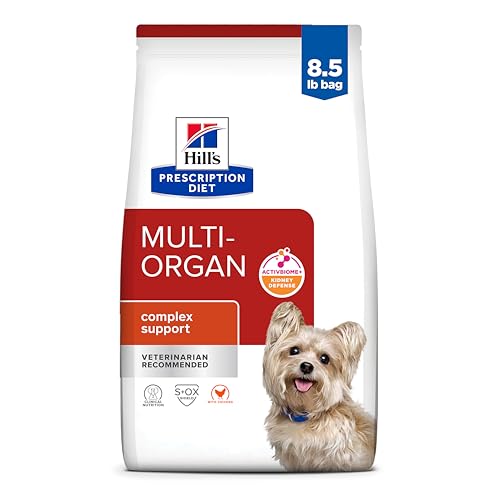
Hill's Prescription Diet Multi-Organ Complex Support Dry Dog Food
What We Like
- Supports kidneys, pancreas, heart, liver, bladder
- Balanced phosphorus, sodium, protein, fat
- Formulated for dogs with multiple health issues
Trade-offs
- Dry kibble only, no moisture for hydration support
- Requires vet consultation before feeding
A single dry food that tries to manage five organs at once, kidneys, pancreas, heart, liver, and bladder, is the whole point of this bag. Hill’s Prescription Diet Multi-Organ Complex Support is a dry kibble with controlled phosphorus, sodium, protein and fat, which matters when a dog has multiple health issues that pull dietary needs in opposite directions. It suits owners whose vet has already diagnosed a cluster of organ problems and wants one food that won’t make one condition worse while treating another.
The trade-off is that this is dry food only. For dogs that also need extra water intake, common with kidney or liver issues, a wet food like Hill’s Prescription Diet l/d Liver Care Wet Dog Food would add moisture. You would need to check with your vet whether mixing them still keeps the nutrient ratios balanced. The multi-organ approach is a compromise by design: it covers a lot of ground but doesn’t target any single organ as aggressively as a dedicated formula might. That makes it a practical middle path for dogs with overlapping problems, not a specialist fix for one thing.
Product photos
How We Evaluated Hepatic Dog Foods
We evaluated these foods by examining manufacturer nutritional data, veterinary formulation standards, and the specific dietary needs of dogs with liver issues. Each product was assessed against the nutritional requirements for hepatic support, copper content, protein digestibility, and antioxidant levels, using published specifications and veterinary guidance.
Three criteria mattered most. First, copper restriction: dogs with liver conditions cannot efficiently process copper, so foods must minimize it. Second, protein quality: the protein must be highly digestible to reduce the liver’s workload while still meeting the dog’s needs. Third, overall nutrient balance: phosphorus, sodium, and fat levels must support the liver without stressing other organs.
A research-led evaluation has limits. We did not feed these foods to dogs in a controlled trial, nor did we measure clinical outcomes. Our recommendations are based on nutritional analysis, veterinary formulation principles, and what owners report about palatability and tolerance. Always work with your veterinarian to choose the right food for your dog’s specific condition.
What To Look For In Hepatic Dog Foods
Selecting the right hepatic diet means understanding what your dog’s liver can and cannot handle. These are the key factors to discuss with your vet.
Choose a hepatic dog food that limits copper, provides highly digestible protein, includes immune-supporting antioxidants, and fits your dog’s life stage and any additional health conditions.
Low Copper Content
Copper accumulates in the liver when the organ cannot excrete it properly, and this buildup causes further damage. The best low-copper dog food targets a level far below standard maintenance diets. Hill’s l/d and Royal Canin Hepatic both formulate specifically for copper restriction, which is non-negotiable for most hepatic diets.
Highly Digestible Protein
The liver processes every gram of protein your dog eats. When it’s compromised, you need protein that requires minimal work to break down. High-digestibility proteins, typically from eggs, chicken meal, or select plant sources, let the liver rest while still maintaining muscle mass. A good diet for liver support keeps protein at a level lower than standard adult maintenance on a dry matter basis.
Antioxidant Support
Liver disease suppresses the immune system, and oxidative stress compounds the damage. Vitamin E, vitamin C, selenium, and beta-carotene are common additions in therapeutic hepatic foods that help support liver health. Hill’s l/d includes a clinically proven antioxidant complex, while Royal Canin adds prebiotics to support gut health, which is linked to immune function.
- Check the guaranteed analysis for copper content, aim for a low level.
- Confirm the protein source is named and highly digestible (egg, chicken, or hydrolyzed proteins).
- Look for added antioxidants like vitamin E and selenium on the ingredient list.
- Verify the food meets AAFCO nutritional standards for your dog’s life stage.
- Ask your vet whether a wet, dry, or fresh format best suits your dog’s hydration needs.
A hepatic diet is a medical tool, not a lifestyle choice, the prescription exists because the wrong food can do real harm.
Hepatic Dog Foods Compared
The table below compares the five hepatic dog foods we evaluated, covering key features, format, and which dogs each best serves.
| Product | Form | Key Feature | Protein Type |
|---|---|---|---|
| Hill's Prescription Diet l/d Liver Care Wet Dog Food | Wet, canned | Low copper to minimize liver accumulation | Controlled levels of easy-to-digest protein |
| Royal Canin Veterinary Hepatic Adult Wet Dog Food | Wet Food | Low Copper Level | Highly Digestible |
| JustFoodForDogs Frozen Fresh Prescription Hepatic Dog Food | Frozen fresh | Limited ingredient | Limited ingredient |
| JustFoodForDogs Pantry Fresh Prescription Hepatic Dog Food | Wet dog food pouches | Limited ingredient, low protein | Limited ingredient, low protein |
| Hill's Prescription Diet Multi-Organ Complex Support Dry Dog Food | Dry kibble | Controlled phosphorus, sodium, protein and fat | Controlled protein |
Frequently Asked Questions
What is hepatic dog food?
Hepatic dog food is a therapeutic diet formulated for dogs with liver disease or dysfunction. It limits copper, provides highly digestible protein, and includes nutrients that support the liver while reducing the organ’s workload. These foods require a veterinary prescription.
Can I feed my dog a hepatic diet without a prescription?
No. Prescription hepatic diets are formulated to meet specific medical needs, and feeding them without a diagnosis can cause nutritional imbalances. If you suspect liver problems, have your vet run bloodwork first. Over-the-counter foods cannot replicate the precise copper and protein levels these diets require.
How is a hepatic diet different from a senior diet?
Senior diets address general aging concerns like joint health and weight maintenance. Hepatic diets specifically restrict copper and protein to reduce liver workload. A dog with high liver enzymes needs a hepatic formula, not a senior formula, even if they are older.
Can I mix wet and dry hepatic dog foods?
Yes, but only if both foods are from the same therapeutic line and your vet approves. Mixing a prescription hepatic wet food with a non-prescription kibble defeats the purpose of copper and protein restriction. Some owners use a dry food for liver disease for convenience and add wet food for hydration.
What should I do if my dog won’t eat the prescribed hepatic food?
Try warming the food slightly to release aroma, or offer the wet version instead of dry. Some dogs accept a liver support supplement or topper formulated for hepatic needs, but always check with your vet first. Never switch to a non-prescription food without medical guidance.
The Bottom Line
Hill’s Prescription Diet l/d Liver Care Wet Dog Food is our best overall pick for dogs with diagnosed liver conditions. Its low-copper formula and controlled protein levels directly address the liver’s reduced capacity, and the antioxidant complex supports the immune system. It is the food we would reach for first when a dog needs reliable, vet-formulated hepatic support.
For owners who prefer a different wet food option, the Royal Canin Veterinary Hepatic Adult Wet Dog Food is an excellent alternative with added prebiotics for gut health. If human-grade ingredients matter most, the JustFoodForDogs Frozen Fresh Prescription Hepatic offers whole-food nutrition, just be ready for freezer storage and short thaw windows. Dogs with multiple organ issues benefit from the Hill’s Prescription Diet Multi-Organ Complex Support Dry Food, but it requires vet approval before feeding.
The single most important factor in any hepatic diet is copper restriction. Without that foundation, no amount of protein control or antioxidant support will protect your dog’s liver. Talk to your veterinarian, get the right prescription, and stick with it.
