
How to Choose a Low-Energy Dog Breed: Read the Dog First
This post contains affiliate links. As an Amazon Associate, we earn from qualifying purchases.
To choose a low-energy dog breed, match three things: inherited breed energy, your actual daily schedule, and the individual dog’s temperament. Breeds like the Greyhound, Mastiff, and Shih Tzu are genuinely low-energy at home, but every dog still needs daily exercise, attention, and training. Breed predicts tendencies, and individual dogs vary.
The inheritance part is real. Working breeds carry the metabolic and behavioral traits of the job they were developed for, which is why a livestock guardian and a lap dog can look similar on paper and behave nothing alike. What the breed label can’t tell you is how much of that drive shows up in the specific dog in front of you. This is also why how to choose a low-energy dog breed matters when matching a dog to your lifestyle.
What follows: how to read a breed’s real energy level, which low-energy breeds actually fit which households, the exercise floor nobody agrees on, and the yard-and-fence question most breed guides skip entirely.
Key Takeaways
- Breed sets the baseline, not the ceiling. A Greyhound is lazy at home. A Border Collie isn’t, and training doesn’t fully close that gap.
- “Low energy” still means daily exercise. PetMD and VCA both say all dogs need regular activity, and under-exercised dogs develop weight gain, anxiety, and destructive behavior.
- Match the breed to your actual week. If you won’t walk daily, VCA recommends a less active dog or an indoor cat.
- Flat-faced and short-limbed breeds need extra care. Pugs, Frenchies, corgis, and dachshunds may need adjusted exercise routines and more vet visits.
- The yard and the breed are one decision. A containment plan sized for a calm adult fails a young, high-drive dog.
How Many Low-Energy Breeds Are There, Really?
There are 200 recognized AKC dog breeds, and a meaningful slice of them are genuinely low-energy. The trick is separating the breeds that are calm by design from the ones that are calm until you bring them home.
Breed energy is inherited, not invented. Selectively bred working dogs carry the metabolic and behavioral traits of the original job, which is why herding and guarding breeds tend to run hotter than companion breeds. Individual variation within a breed still exists. Early socialization shapes how inherited tendencies show up at home.
The AKC calls this predictability the main advantage of a purebred. You can read a breed’s history and purpose and get a reasonable forecast of its behavior. That forecast is the whole point of breed energy levels research, and it’s central to how to choose a low-energy dog breed. It’s why a Greyhound and a Border Collie aren’t interchangeable, even though both are medium-to-large dogs.
Here’s the practical version:
| Breed | Size | Exercise Reality | Watch-Out |
|---|---|---|---|
| Greyhound | Large | Lazy at home, couch potato | Bred for speed |
| Shih Tzu | 9-16 lb | Short walk or indoor play | Flat face, heat risk |
| Mastiff | 120-200 lb | Short daily walk | Very large frame |
| Saint Bernard | Up to 150 lb | One of the calmest breeds | Sheer size |
| Great Pyrenees | Large | Less than size suggests | Livestock guardian instincts |
| Newfoundland | Large | Calm, low energy | Heavy coat, water work |
Every breed on that list is a real low-energy option. Each one still needs a daily walk.
The sources split on how much of this is fixed at birth. VCA and the AKC both treat breed as predictive, while PetMD’s breed profiles put more weight on environment, noting that a Clumber Spaniel‘s mellowness depends on proper socialization as a puppy. PetMD’s breed profiles put more weight on environment, noting that a Clumber Spaniel’s mellowness depends on proper socialization as a puppy. The practical takeaway for how to choose a low-energy dog breed sits in the middle: pick the breed for the odds, then train the individual dog you actually get.
What Does “Low-Energy” Actually Mean for Your Dog?
Ever watched a Greyhound sleep through a thunderstorm and wondered if the breed is broken? It isn’t. Low-energy means the dog settles easily indoors. It doesn’t mean the dog needs nothing from you.
PetMD frames low-energy breeds as a fit for households that want a dog without committing several hours a day to expending its energy, while VCA holds that all pets require physical exercise, social interaction, and attention. That’s the sales pitch, and it’s mostly true. VCA adds the part the pitch leaves out: all pets require physical exercise, social interaction, and attention, and individual requirements differ from pet to pet.
So low-energy sets a floor. The dog still needs daily movement. A dog that isn’t getting enough exercise is prone to health and behavioral issues, including:
- Weight gain and low stamina
- Anxiety and restlessness that shows up as pacing or destructive chewing
- Excessive barking
- Digging
Those are VCA’s words, not mine. Exercise burns off the energy that would otherwise come out as chewing, barking, or digging. A bored dog doesn’t wait long to tell you. The chewing starts when the energy has nowhere else to go.
A low-energy breed still needs exercise. The dog that never gets walked is the dog that chews the door frame, barks at the mail slot, and digs under the fence line.
If you want to go deeper on the numbers, breed exercise needs vary more within a breed than the label suggests. Two Labradors from the same litter can sit at different points on the energy scale.
Which Low-Energy Breeds Fit Your Household?
The Greyhound looks like a contradiction on a low-energy list. Bred for speed, it’s also famously lazy at home, which is why PetMD calls the breed a couch potato, while VCA holds that all pets require physical exercise and individual requirements differ. A Greyhound on the couch doesn’t lift its head when the doorbell rings. That gap between the race and the rug is the whole lesson. Read the dog.
Small Low-Energy Breeds
The Shih Tzu weighs 9-16 pounds when full-grown, and PetMD says a short walk or indoor play suits its exercise needs, while VCA holds that all pets require physical exercise and individual requirements differ. PetMD describes the Chinese Crested as coming in hairless and powderpuff types, both with a cat-like personality and low energy, while VCA holds that all pets require physical exercise and individual requirements differ. Watch the delicate limbs during play, and protect a hairless Crested from extreme temperatures and sun.
The Basset Hound is small enough for most homes but stubborn enough to make exercise a negotiation, so PetMD recommends nose work like hide-and-seek or a scavenger hunt for hidden treats to get a Basset moving. PetMD recommends nose work, like hide-and-seek or a scavenger hunt for hidden treats, to get a Basset moving.
Large Low-Energy Breeds
PetMD says the Great Pyrenees doesn’t need nearly as much exercise as its size suggests, while VCA holds that all pets require physical exercise and individual requirements differ from pet to pet. PetMD says the Clumber Spaniel is among the most low-energy breeds and stays mellow if socialized as a puppy, while VCA and the AKC treat breed as predictive of behavior. PetMD describes the Newfoundland as calm and low-energy, bred for heavy work and water rescues in coastal Canada, while VCA holds that all pets require physical exercise and individual requirements differ.
Giant Low-Energy Breeds
The Mastiff matures to 120-200 pounds, and PetMD recommends a short daily walk to keep it active and mentally stimulated, while VCA holds that all pets require physical exercise and individual requirements differ. PetMD says the Saint Bernard reaches up to 150 pounds and is known as one of the calmest breeds, while VCA holds that all pets require physical exercise and individual requirements differ. PetMD commonly cites the Irish Wolfhound as the biggest dog breed, so check your space before you fall for one, and VCA reminds that all pets require physical exercise and individual requirements differ.
I’ve watched people pick a breed from a photo and then size a fence for a different dog entirely. The breed and the containment plan are one decision. Get them out of order and you’re rebuilding the yard in year two.
Here’s what actually matters for your dog: how many days a week you’ll spend outdoors, not the breed’s reputation. If you’re matching a breed to your lifestyle, start with that number. PetMD says a household that walks daily fits a Shih Tzu or a Mastiff, while VCA holds that all pets require physical exercise and individual requirements differ from pet to pet. A household that walks occasionally needs a different conversation, since VCA holds that all pets require physical exercise and individual requirements differ from pet to pet.
Apartment dwellers have an extra filter. Apartment living narrows the list to breeds that tolerate stairs, elevators, and close neighbors. If you’re choosing a breed for seniors in the household, prioritize the dog that settles easily and won’t knock anyone over.
Is a Flat-Faced or Short-Legged Breed Right for You?
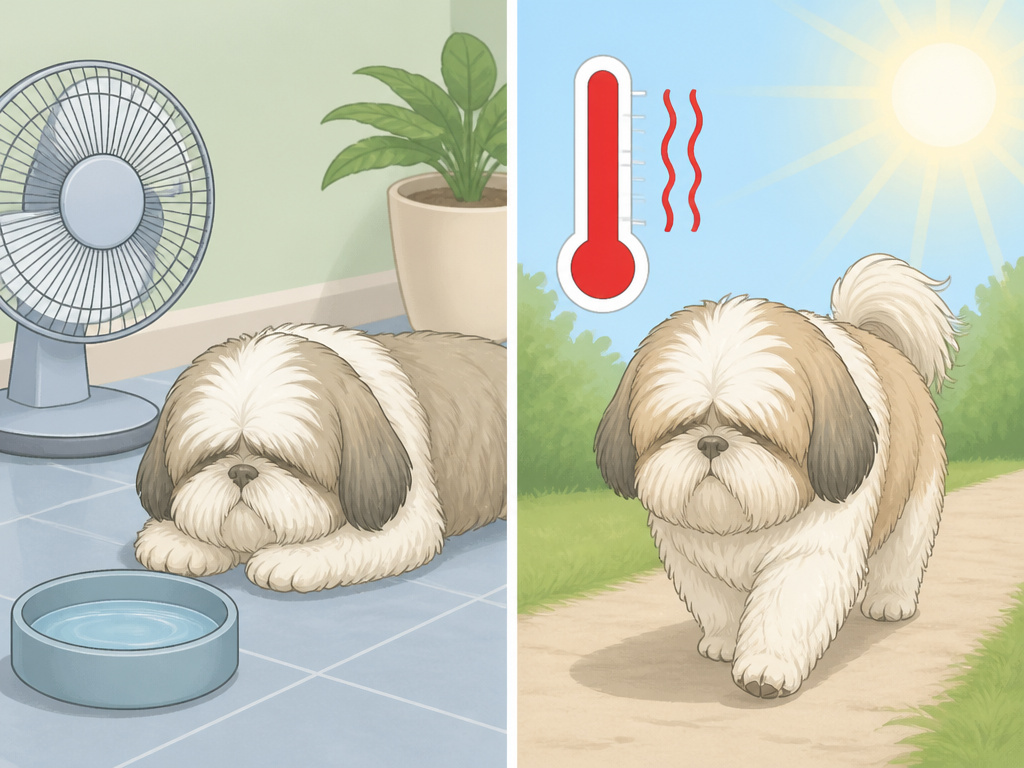
Flat-faced breeds can still be low-energy picks. The exercise plan just needs adjusting, though VCA cautions that brachycephalic pets such as the pug and French bulldog may require additional veterinary care and adjustments to their exercise routines. VCA flags brachycephalic pets, including the pug, French bulldog, and Himalayan cat, as potentially needing additional veterinary care and adjustments to their exercise routines.
The Shih Tzu is the clearest example. PetMD lists it among the most popular low-energy breeds, and a short walk or indoor play suits it. PetMD also warns that the flat face raises the risk of heatstroke, so indoor activity should take priority in hot weather. Both things are true at once.
Short-limbed breeds carry a different caveat. VCA names the corgi, dachshund, and Munchkin cat as achondroplastic, meaning short-limbed, and says they may need extra vet care and exercise adjustments. If you want a running partner, VCA’s guidance is to choose an athletic dog with good conformation, a body structure not predisposed to injury, though VCA also notes short-limbed breeds such as corgi and dachshund may require adjustments to their exercise routines. Save the running-partner plan for a different breed, since VCA advises choosing an athletic dog with good conformation, a body structure not predisposed to injury.
What most people get wrong: Reading “low-energy” as “low-maintenance.” PetMD lists flat-faced breeds like the Shih Tzu among low-energy picks suited to short walks or indoor play, while VCA cautions that a flat-faced or short-limbed dog can be calm and still need more vet visits and a modified exercise routine.
Fair warning: PetMD lists flat-faced breeds like the Shih Tzu among low-energy picks suited to short walks or indoor play, while VCA cautions that the flat-face caveat gets more serious in summer. A Shih Tzu that’s fine on a cool morning walk can overheat on the same route at noon. Shift the schedule instead of skipping the walk.
The Exercise Floor Nobody Agrees On
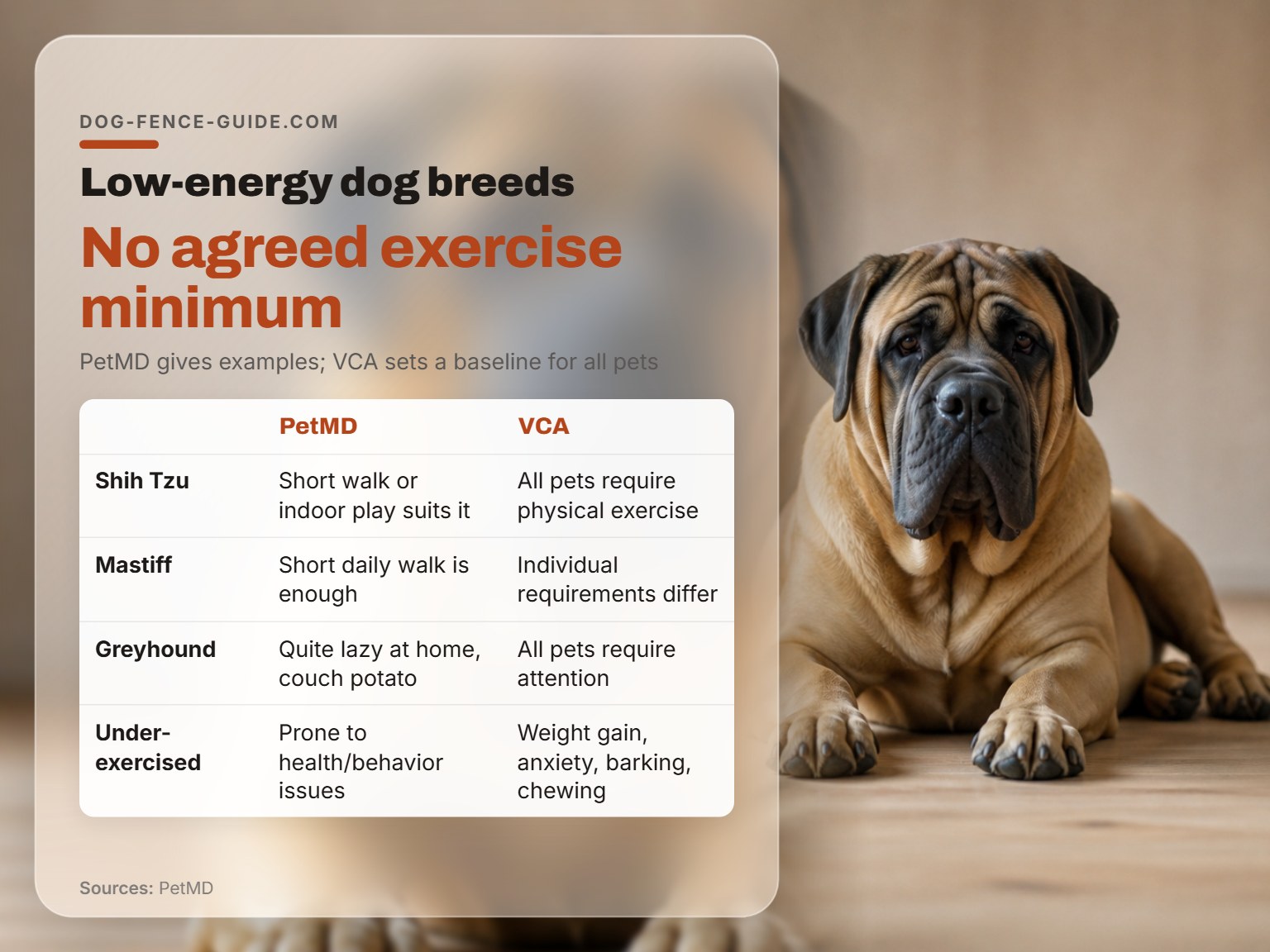
The sources don’t agree on a minimum, and that’s worth saying plainly. PetMD says a short walk or indoor play suits a Shih Tzu, and a short daily walk is enough for a Mastiff. VCA says all pets require physical exercise, social interaction, and attention. VCA also says under-exercised dogs develop weight gain, anxiety, restlessness, excessive barking, and destructive chewing or digging.
Both are true. Neither gives a number. There’s no shared numeric threshold in the veterinary literature for how many minutes a low-energy breed needs, so anyone quoting one is guessing.
Here’s how to resolve it for your own dog:
| If you… | VCA Guidance Says | Named Examples |
|---|---|---|
| Want a running partner | Athletic dog, good conformation | Not corgi or dachshund |
| Want a sedentary companion | Pick one that settles easily | Great Pyrenees, Mastiff |
| Have small pets or livestock | Avoid hunting and killing breeds | Not beagles or sighthounds |
| Live in an urban area | Dog comfortable near strangers | Newfoundland, Shih Tzu |
If you’re drawn to the opposite end of the spectrum, the same logic runs in reverse. A high-energy dog breed needs more exercise and interaction to avoid boredom and destructive behavior, which is why the match matters more than the label.
The honest answer is that a low-energy breed lowers the floor. It doesn’t remove it. PetMD suggests a Greyhound that gets a daily walk and sleeps the rest of the time is fine, while VCA holds that all pets require physical exercise and individual requirements differ from pet to pet. A Greyhound that gets nothing is a large dog with nowhere to put its energy.
Skip this if: You want a dog that never needs a walk. No breed fits that description, and the ones marketed as “lazy” still need daily movement and attention.
When I’ve hired dog walkers, I ask what they’d do if my dog refused to walk. The ones who say they’d carry him don’t get the job. The ones who say they’d turn around and try again tomorrow do. That question tells you more about a walker than any review.
Where Should You Get the Dog?

The source matters as much as the breed. A breed label tells you the tendency. The breeder, shelter, or rescue tells you the individual dog.
Start with the breed’s parent club, which the AKC defines as that breed’s national club. The parent club website covers the breed’s history, purpose, and disposition, and it’s a better filter than a breed quiz. The AKC breed selection lifestyle guide makes the same point: matching the dog to your lifestyle, activity level, and living conditions is the best chance at a successful placement.
Here’s how to vet a source:
- Check whether the breeder belongs to the breed’s national club and follows the parent club’s recommended health tests.
- Ask what the breeder asks you. A responsible breeder asks about your lifestyle, living conditions, and expectations, and may put you on a waiting list.
- Meet the parents if you can. VCA notes that meeting a puppy’s parents and close relatives can help predict future personality.
- For shelters, be honest about your schedule and energy level. The AKC advises wariness toward any shelter that doesn’t ask those questions.
- Ask about breed rescue. Most parent clubs have breed rescue groups that pull breed dogs from shelters into foster homes.
If you’re choosing a breed for older couples, the same sourcing rules apply, but the stakes are higher. A dog that’s calm as a puppy can still grow into a 150-pound adult, so ask about adult weight before you commit.
A breed label tells you the odds. The individual dog tells you the outcome. Meet the dog, not just the breed.
A breed quiz (the kind that asks three questions and hands you a Lab) won’t tell you any of this. It can’t. The quiz doesn’t know your yard, your schedule, or how you react when a dog jumps on the counter.
Does Your Yard and Fence Match the Breed?
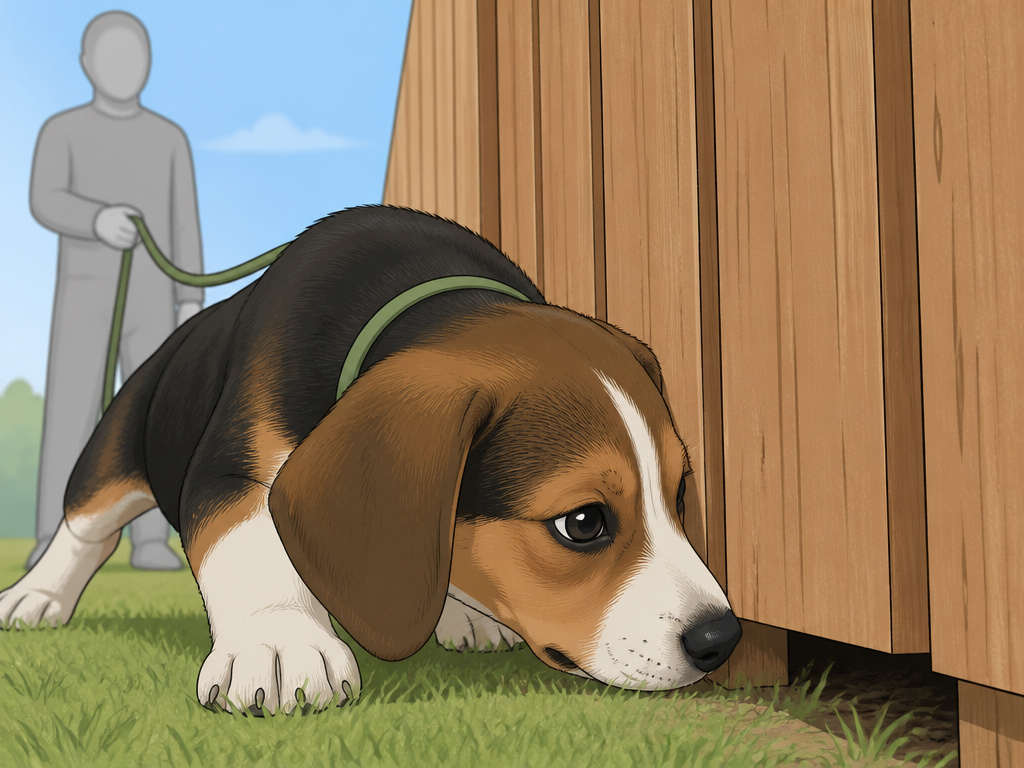
The dog paces the fence line for an hour, nose down, testing every inch. You built the yard for a calm adult. This is a two-year-old.
I learned that one the hard way. Years ago I sized a containment zone for a young, high-drive dog using the dimensions I’d use for a calm adult. The dog paced the line constantly, probing for gaps. I now build in extra space for any young dog, because a bored young dog treats a tight boundary like a puzzle.
VCA’s guidance lines up with that. If your pet won’t have access to a fenced yard, or if you don’t want to devote regular time to walks and outdoor play, VCA recommends a less active dog or a cat content to play indoors. That’s the honest version of the breed decision: the yard and the dog are one choice.
Containment adds a second filter. VCA notes that hunting breeds such as beagles typically follow their noses outside and may not be suitable companions for off-leash hiking. VCA also notes that working breeds selected for guarding may show territorial behavior and need training to accept visitors. If you live with small pets or livestock, avoid breeds selectively bred to hunt and kill other animals
Frequently Asked Questions
How do I tell a genuinely calm breed from one that is only calm as a puppy?
Look at what the breed was developed to do, not how it behaves in a shelter kennel or a friend’s living room. Companion and toy breeds were shaped to sit with people, while herding, sporting, and guarding breeds were shaped to move and work for hours. A breed’s original job is the best available forecast of its adult energy, so read the history before the photos.
Is a senior dog a smarter choice than a low-energy puppy?
Often, yes, if your priority is a settled routine from day one. An adult or senior dog’s temperament is already visible, so you can see whether it actually naps through the afternoon instead of guessing from a breed chart. Puppies of any breed arrive with bursts of energy and training needs, and a calm breed’s adolescence can still be lively.
Does apartment size rule out medium or large low-energy breeds?
Not by itself. Several large, calm breeds settle well in smaller homes as long as their daily walks happen and they have a soft place to rest. What matters more is noise, stairs, and elevator access, plus whether the building has weight or breed restrictions. Confirm those rules before you fall for a dog that the lease won’t allow.
How much does grooming and climate affect the choice?
More than most guides admit. Heavy-coated breeds need regular brushing and shed heavily indoors, which matters in a small space, while short-coated breeds feel the cold and may need a coat for winter walks. Flat-faced breeds also overheat easily, so a calm breed with a pushed-in face still needs careful timing of exercise in warm weather.
