
How to Groom a Dog That Bites: Step-by-Step
This post contains affiliate links. As an Amazon Associate, we earn from qualifying purchases.
To groom a dog that bites, some sources advise fitting a basket muzzle before any tool touches the dog, keeping your hands out of bite range, and stopping if the dog freezes or snaps at the muzzle after two separate attempts, while the AKC grooming standards advise refusing aggressive, unmanageable pets. The AKC grooming standards add one more rule: refuse aggressive, unmanageable pets.
Bite range is the strip of air between your hands and the dog’s teeth, and it shrinks every time you lean across a table. Grooming-industry writer Daryl Conner traces most dog-to-groomer bites to discomfort or pain. The dog has been handled safely dozens of times before, often with bite-proof gloves for dogs as a backup. Then something hurts, and the bite lands faster than your hand can pull back. Knowing how to groom a dog that bites starts with recognising that discomfort or pain.
What follows: the pre-groom signals that decide whether you proceed, the muzzle checks that hold up under a real dog, the tools that keep teeth pointed away from you, and the line where you stop and hand the dog back to its owner, all part of learning how to prepare a dog for grooming.
Key Takeaways
- Muzzle before tools. A correctly fitted muzzle goes on before anything sharp or loud comes out, and the strap needs room for one finger underneath.
- Two refusals end the session. A dog that freezes, whale-eyes, or snaps at the muzzle after two separate attempts gets referred out.
- Pain drives most bites. Grooming-industry writer Daryl Conner traces bites to discomfort or a painful body area, including arthritic joints flexed for nail trims.
- Never sedate. The AKC grooming standards tell groomers to refuse natural or prescription sedatives and send the client to a veterinarian.
- Bites get written down. Any bite is reported to the owner and noted in the pet file, with first aid for wounds and scratches.
What Signals Mean You Should Stop Before the Clippers Come Out?
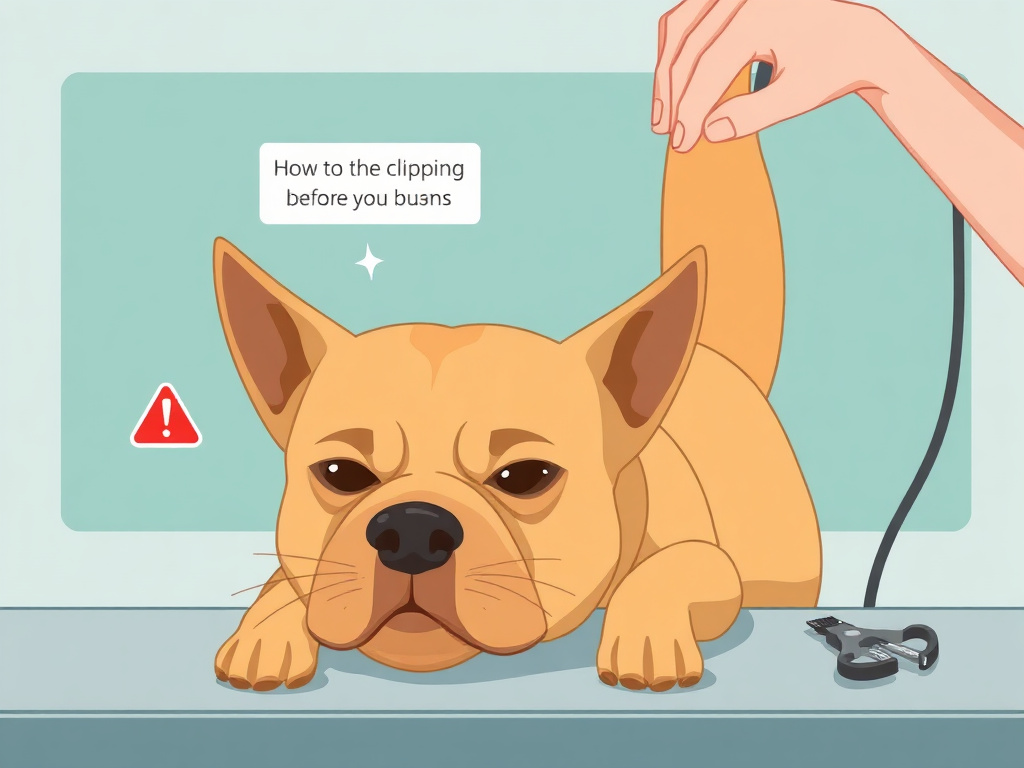
A dog goes still on the table. The tail is up and stiff, the eyes are locked on your hand, and the mouth has closed.
The AKC grooming standards name pacing, showing teeth, and ears pinned back as behavioral changes a groomer must identify. A hard stare and a stiff tail are enough to pause the sequence. A tucked tail alone is a milder sign, managed with space and a quiet room rather than a muzzle.
Stillness is the signal I’d weight most heavily, especially when you brush a dog that hates being brushed. A wriggling, complaining dog is easy to read.
A dog that stops moving has already decided.
The AKC professional dog grooming standards run to six educational domains and eight core standards, and behavior management gets a full core standard of its own. That’s the part of the job that ends careers.
| Signal | What it tells you | Response |
|---|---|---|
| Hard stare, stiff tail | A bite is close | Pause the sequence |
| Growl, lip lift, showing teeth | Active warning | Muzzle before any tool |
| Ears pinned back, pacing | Stress building | Slow down, fewer hands |
| Side-eye, staying stiff, flattened ears | Stress, not aggression yet | Ease off, take a break |
| Tucked tail on its own | Mild discomfort | Space and a quiet room |
Rover’s trainer sources split these into two separate lists, and the split matters. Side-eye, stiffness, and flattened ears belong to the stress list. Growling, barking, shaking, and biting belong to the aggression list. Treat a stress signal as aggression and you get the fight you were trying to avoid.
Common mistake: Muzzling a dog over one mild signal, like a tucked tail. The dog learns the muzzle predicts something unpleasant, and the next attempt costs you twice as long.
I’d tape that table inside a cabinet door. It takes four seconds to read.
Why a Dog That Has Never Bitten Suddenly Bites
Pat Miller, a certified behavior consultant writing for Whole Dog Journal, puts stress behind almost all aggression in dogs. Idiopathic aggression, meaning aggression with no identifiable cause, is the rare exception.
Rover’s trainer sources list the same triggers from the other end: pain, fear, anxiety, old age, health issues, and bad grooming experiences in the past, and our guide to grooming a dog with anxiety covers the fear side in depth. Six reasons, and every one of them is about what the dog has been through rather than its character.
The case worth reading twice is a 10-year-old Great Pyrenees.
Frequently Asked Questions
Can a groomer refuse to groom a dog with a bite history?
Yes, and many do. Professional standards treat aggression as grounds for turning a pet away rather than risking injury to staff or the animal. If your dog has bitten before, call ahead and be honest about it. A groomer who accepts the dog can then book extra time and take precautions from the start.
Does a muzzle make a biting dog more aggressive?
properly fitted basket muzzle usually calms the situation rather than worsening it, because it removes the option to bite and lowers everyone’s stress. The risk comes from a muzzle that is too tight, pinches the nose, or gets forced on after the dog has already panicked. Introduce it slowly with treats, and never leave a muzzled dog unattended.
Should I try to groom my biting dog at home instead of hiring a professional?
Home grooming can work for mild cases if you keep sessions short and stop at the first sign of tension. The trade-off is that you have no second pair of hands and no backup if the dog escalates. For a dog that has drawn blood or lunges, a vet or an experienced groomer is the safer choice.
What should I do if my dog bites during a grooming session?
Stop immediately and separate yourself from the dog without yelling or grabbing. Clean any wound right away and seek medical attention if the skin is broken, since dog bites carry infection risk. Then have your veterinarian examine the dog for pain or a medical trigger before you attempt grooming again.
