
10 Best Puppy Food For Nursing Dogs in 2026
This post contains affiliate links. As an Amazon Associate, we earn from qualifying purchases.
For nursing dogs, the right food keeps mom healthy and her puppies growing. Purina Pro Plan Puppy Starter Mousse Wet Dog Food wins as best overall. Its ultra-soft texture makes it easy for new mothers to eat while meeting their high energy needs. For owners who prefer dry kibble, the VICTOR Hi-Pro Plus Dry Dog Food delivers 30% protein across multiple meat sources.
A nursing mother dog burns calories at an extraordinary rate, producing milk, recovering from birth, and caring for a litter all at once. Many new mothers go off their food temporarily, making palatability and texture just as important as nutritional content. The wrong choice can mean a drop in milk production or a mother who simply won’t eat enough.
This guide is based on manufacturer specifications, ingredient analysis, and patterns reported by breeders and veterinarians. We compared ten foods across protein content, texture, life-stage suitability, and digestibility to help you match the right formula to your dog’s specific needs.
Top 10 Puppy Foods For Nursing Dogs in the Market
Certain content that appears on this site comes from Amazon. This content is provided "as is" and is subject to change or removal at any time.
The Best Puppy Foods For Nursing Dogs, Reviewed
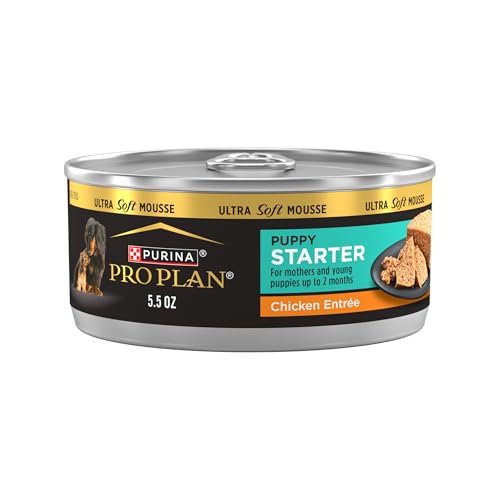
Purina Pro Plan Puppy Starter Mousse Wet Dog Food
What We Like
- Ultra soft mousse texture for easy eating
- Formulated for nursing mothers' high energy needs
- Highly palatable to encourage eating
Trade-offs
- Only for puppies up to 2 months old
- Wet food has shorter shelf life after opening
An ultra soft mousse texture means a nursing mother or very young puppy can eat this without struggling to chew or lap, which matters when appetite is low from stress or recovery. This makes it a practical choice for the first few weeks after birth, when you want to minimize fuss and maximize nutrition.
The trade-off is that this product is designed specifically for the first two months of life, so you will need to transition to a different food once puppies hit that mark. Compared to a dry kibble like VICTOR Hi-Pro Plus, which is formulated for high energy needs without a specific age limit, this mousse is a short-term tool for a specific window. But for that window, the texture and palatability do the job that dry food simply cannot, especially for a mother who is tired or a puppy just starting to eat on its own.
VICTOR Hi-Pro Plus Dry Dog Food

What We Like
- Multi-meat formula with beef, chicken, pork, fish
- Suitable for all life stages including nursing
- 30% protein from beef, chicken, pork, fish meals
Trade-offs
- Dry kibble requires moistening for very young puppies
- Not suitable for growth of large-breed puppies over 70 pounds
This is a dry kibble, not a soft mousse or canned food. For puppies under two months old, you’ll likely need to moisten it to make it manageable for tiny mouths and developing teeth. The 5-pound bag may require more frequent reordering if a nursing dog is eating larger portions than usual. The Purina Pro Plan Puppy Starter Mousse Wet Dog Food comes in a soft texture designed for very young puppies. The VICTOR demands a little more prep work from you. But if you want a single dry food that works for both mom and pups through the nursing period, this one delivers the protein and fat levels to back it up.
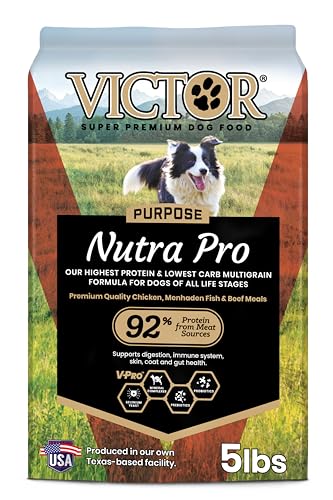
VICTOR Purpose Nutra Pro Dry Dog Food
What We Like
- 38% protein from chicken, fish, beef meals
- Formulated for pregnant and nursing dogs
- Low-carb, gluten-free grain recipe
- VPRO blend of supplements and minerals
Trade-offs
- Dry kibble only; no wet or mousse texture for picky eaters
- Not suitable for dogs with chicken or fish protein allergies
At 38% protein from chicken, fish, and beef meals, this dry food packs enough fuel for a nursing mother who’s burning calories around the clock. The VPRO blend adds targeted vitamins and minerals to support her immune system while she’s feeding a litter, and the low-carb, gluten-free grains keep energy steady without the blood-sugar spikes that come from cheap fillers. It’s a sensible pick for an active dam who needs to maintain muscle and milk production without dragging through the day.
At 38% protein from chicken, fish, and beef meals, this kibble delivers the kind of fuel a working dog needs to keep going all day. That high-protein, multi-meat formula means it’s not the right choice for a dog with known sensitivities to those proteins, so check with your vet first. The Purina Pro Plan Starter Mousse comes in a soft wet form. This is a dry kibble that requires a dog to chew and have a normal appetite.
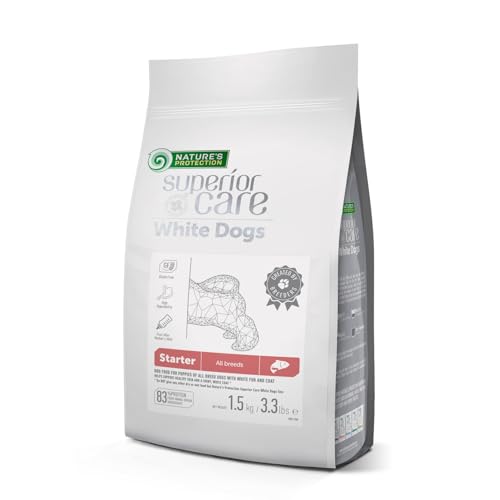
Nature's Protection Superior Care Grain-Free Puppy Dry Food
What We Like
- Single salmon protein for sensitive digestion
- Small kibble for tiny puppy mouths
- Formulated to reduce facial tear stains
- Includes nursing mothers as target users
Trade-offs
- 3.3 lb bag is small for multi-puppy litters
- Only for puppies up to 4 months old
- Grain-free diet not preferred by all owners
A single salmon protein source as the number one ingredient makes this a straightforward choice for puppies or nursing mothers with touchy stomachs or suspected food sensitivities. The small kibble size is designed for easy chewing and digestion, and the formula helps reduce staining on white, light, or mixed coats. For a nursing mother who needs a gentle, limited-ingredient diet while she’s feeding a litter, this covers her needs without introducing a half-dozen protein sources that might upset her digestion or the puppies’.
The bag holds just 3.3 pounds of kibble, so it’s a starter pack for a single puppy or a trial size, not a bulk buy for a large litter or a multi-week feeding routine. If you’re comparing it to the Purina Pro Plan Puppy Starter Mousse Wet Dog Food, that product targets nursing mothers and young puppies up to 2 months old with an ultra-soft texture. This Nature’s Protection kibble is dry and formulated for puppies up to 4 months old that are already chewing on their own. The grain-free recipe works well for sensitive systems, but the 4-month cutoff means you’ll be switching foods before the puppy phase is really over.
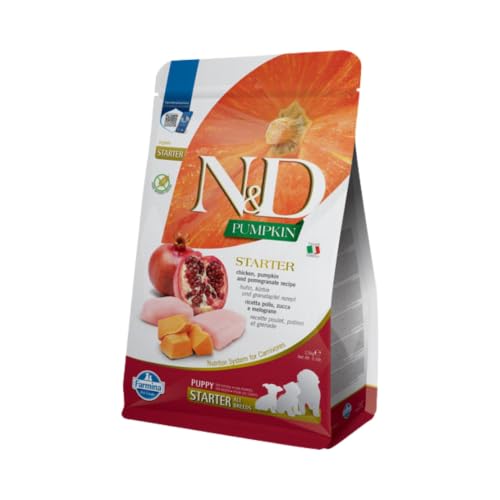
Farmina N&D Pumpkin Starter Puppy Dog Food
What We Like
- Pumpkin supports digestion and nutrient absorption
- No artificial preservatives or fillers
- Rich in antioxidants and omega fatty acids
- Grain-free for sensitive stomachs
Trade-offs
- Not suitable for dogs with grain sensitivities who need grain-inclusive formulas
- Dry kibble requires soaking for very young puppies
A grain-free formula with real pumpkin targets easy digestion and steady nutrient absorption for nursing mothers and puppies. The chicken provides high-quality animal protein for muscle growth and development, while antioxidants and omega fatty acids support a strong immune system, healthy skin, and a shiny coat. This recipe skips artificial preservatives and fillers, which matters when a dog is eating more than usual to feed a litter.
The Purina Pro Plan Starter Mousse comes in an ultra soft texture. This dry kibble requires no special prep for older puppies and nursing mothers. For a nursing mother who prefers a grain-free diet with natural ingredients, this puts digestion and immunity first.
Product photos
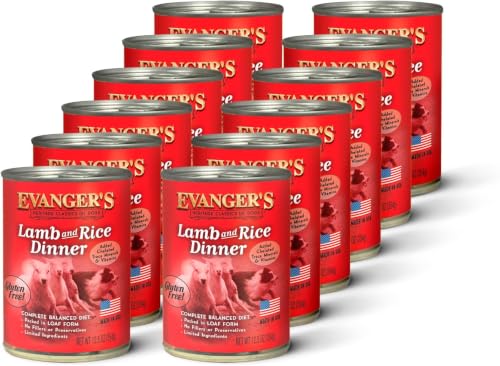
Evanger's Heritage Classic Lamb & Rice Dinner Wet Dog Food
What We Like
- Formulated for all life stages including nursing
- Grain-free and gluten-free recipe
- No fillers, corn, soy, or preservatives
- Kosher certified by Chicago Rabbinical Council
Trade-offs
- Wet food format is heavier per feeding than dry
- Not suitable for dogs needing a high-protein dry kibble
This food is formulated to meet AAFCO nutrient profiles for all life stages, so it can support a nursing mother’s increased energy needs without switching formulas later. The lamb-and-rice recipe is grain-free and gluten-free, making it gentle on digestion when stress and appetite changes are common. Chelated vitamins and minerals improve absorption, so the dog gets more nutritional value from each bite. For anyone wanting a single wet food that works from pregnancy through nursing and beyond, this is a practical, straightforward choice.
Weight and pantry space are the main considerations here. Twelve 12.5-ounce cans add up to nearly ten pounds, so you’re hauling more mass than you would with a dry kibble like VICTOR Hi-Pro Plus. That’s the nature of wet food: higher moisture means more hydration but also more weight per serving. If your nursing dog eats a lot, you’ll go through cans quickly, and storage becomes a factor. For owners who prioritize ingredient transparency and kosher certification over convenience, the extra lifting is a fair exchange.
Solid Gold High Calorie Chicken Wet Dog Food

What We Like
- High-protein chicken supports lean muscle
- Whole grains and flaxseed aid digestion
- Soft pate texture easy to chew
- Can serve as meal or topper
Trade-offs
- Contains grains, not grain-free
- Wet food requires refrigeration after opening
Compared to a 12-count pack of Evanger’s Heritage Classic that weighs 9.8 pounds, this 6-can pack is much lighter and takes up less space. You’ll go through it faster if you have a big dog. The pate style is softer than some chunkier wet foods, which can be gentler for dogs with sensitive stomachs, and the whole grains provide fiber for digestive support. If you want a grain-free option, Nature’s Protection grain-free dry food is an alternative, but for a high-protein wet food that supports digestion and works for all life stages, this canned food delivers.
Product photos
Pedigree Puppy Chopped Wet Dog Food

What We Like
- Contains DHA for brain development
- Rich in calcium for teeth and bones
- Can be served as topper or meal
- 100% complete and balanced for puppies
Trade-offs
- Wet food only, no dry kibble option
- Not specifically formulated for nursing mothers
A 13.2-ounce can with DHA for brain development and calcium for strong teeth and bones means this wet food covers the key nutritional bases a growing puppy needs. It’s a complete and balanced meal that can also work as a topper, which gives you flexibility in feeding. For someone wanting a recognizable brand with clear puppy-specific nutrients, this fits the bill without overcomplicating things.
This is a general puppy formula, not one designed specifically for the higher demands of a lactating mother. If your nursing dog needs a formula designed for nursing mothers and very young puppies up to 2 months old, Purina Pro Plan Puppy Starter Mousse is an option to consider. But for a straightforward wet food that supports puppy development, this gets the job done.
Product photos
Canidae All Life Stages Multi-Protein Dry Dog Food

What We Like
- Four protein sources for varied amino acids
- Free from corn, wheat, and soy
- Formulated for all life stages
Trade-offs
- Not a soft or wet food for picky eaters
- Large 40-pound bag is heavy to lift and pour
The downside is the bag’s weight: at 40 pounds, it is not something you will want to carry up stairs or pour one-handed. The Purina Pro Plan Puppy Starter Mousse comes in 5.5-ounce wet-food cans. This dry kibble is meant for dogs that can handle a crunchy texture. If you need small, soft portions for a young puppy or a nursing mother, the wet food is easier to serve; if you want a single, protein-rich dry food for the whole pack, this fits.
Product photos
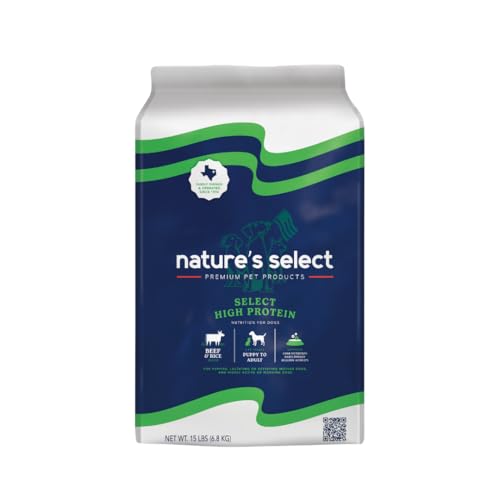
Nature's Select High Protein Beef & Rice Dry Dog Food
What We Like
- 28% protein supports milk production
- Probiotics aid digestive health
- Omega fatty acids for skin and coat
- Fortified with Vitamin E and L-Carnitine
Trade-offs
- Contains beef, pork, and fish meals
- Grain-inclusive with brown rice and sorghum
A 28% crude protein and 395 calories per cup means this food packs enough fuel to keep a nursing mother from dropping weight while she feeds a litter. The beef, pork, and fish meal blend delivers the amino acids, including taurine, that support both her muscle recovery and her puppies’ heart development. Prebiotics and probiotics help her digestive system handle the increased intake without upset, and the added L-Carnitine helps convert those calories into usable energy rather than just fat storage. This is the kind of straightforward, high-density nutrition a lactating dog actually needs, without gimmicks.
This formula includes brown rice and sorghum, so if your dog has a known grain sensitivity, you might need to look at a grain-free option like Farmina N&D Pumpkin Starter. The Purina Pro Plan Starter Mousse is an ultra-soft wet food for the earliest weeks. This dry food gives you more protein and fat per serving once the pups are a bit older and the mother’s appetite really kicks in.
Product photos
How We Evaluated Puppy Foods For Nursing Dogs
We built this guide from manufacturer nutritional data, ingredient sourcing information, and expert guidance from veterinary nutritionists and experienced breeders. Each product was assessed against the unique metabolic demands of lactation, a period where a dog’s calorie requirements can triple. We also looked at patterns in owner feedback to understand which foods nursing mothers actually accepted and thrived on.
Three criteria mattered most. First, protein content and quality: nursing mothers need ample amino acids for milk production and tissue repair. Second, texture and palatability: a mother who won’t eat is a mother who can’t nurse. Third, life-stage labeling: a food must be explicitly formulated for all life stages or for puppies and nursing mothers, adult maintenance foods lack the density of nutrients a lactating dog needs.
A research-led evaluation has limits. We cannot claim to have personally fed each food to a nursing dog, and individual results will vary based on the mother’s breed, litter size, and health status. What we can offer is a clear framework for comparing your options, so you can make an informed decision with your veterinarian.
What To Look For In Puppy Foods For Nursing Dogs
Choosing a food for a nursing mother means balancing her immediate needs, easy eating, high energy, with the long-term health of her puppies. The wrong food can mean a hungry mom, a stressed litter, and extra vet bills.
Look for a food labeled for “all life stages” or specifically for puppies and nursing mothers. Aim for at least 28-30% protein from named meat sources, with a texture your dog will actually eat. Avoid generic “meat meal” and check for DHA for puppy brain development.
Protein Content and Quality
Protein is the single most important macronutrient for a lactating dog. Milk production demands a steady supply of amino acids, and a mother dog can lose significant muscle mass if her diet falls short. Look for foods with at least 28% protein, ideally 30% or more, from named meat sources like chicken, beef, salmon, or lamb.
The source matters as much as the percentage. Whole meats and meat meals (rendered, concentrated protein) deliver more usable amino acids than generic by-products or plant proteins. Multi-protein formulas like the Canidae All Life Stages blend can offer a broader amino acid profile, but single-protein options like Nature’s Protection Superior Care work well for dogs with sensitivities.
Texture and Palatability
A nursing mother who has just given birth may be exhausted, sore, and uninterested in food. Soft textures, mousse, pate, or wet food, are often more appealing than hard kibble. The Purina Pro Plan Starter Mousse is designed specifically for this moment, with a whipped texture that requires almost no effort to eat.
If you prefer dry food, plan to moisten the kibble with warm water or unsalted broth for the first week or two. Some mothers will eat dry kibble just fine, but having a wet option on hand can prevent a crisis if she goes off her food. The Solid Gold High Calorie Chicken Wet Food works well as a topper to encourage eating.
Life-Stage Appropriateness
Not all puppy foods are suitable for nursing mothers, and not all all-life-stages foods are created equal. Look for explicit labeling: “for puppies and nursing mothers” or “all life stages including gestation and lactation.” A food formulated only for adult maintenance will not provide the calorie density or calcium levels a lactating dog needs.
Be aware of breed size. Large-breed puppies have specific growth-rate requirements, and some high-protein foods can contribute to developmental orthopedic issues. The VICTOR Hi-Pro Plus, for example, is not recommended for puppies expected to exceed 70 pounds. For large breeds, consult your vet before choosing a high-protein formula.
Digestibility and Gut Health
A nursing mother’s digestive system is under strain. Foods with probiotics, prebiotic fiber, or easily digestible carbohydrates can help maintain regular bowel movements and nutrient absorption. Pumpkin, as found in the Farmina N&D Pumpkin Starter, provides soluble fiber that supports digestion without irritating the gut.
Avoid foods with artificial preservatives, colors, or fillers like corn and soy. These offer little nutritional value and can cause loose stools in sensitive dogs. Grain-free options work well for some dogs, but grain-inclusive formulas with whole grains like brown rice and sorghum, as in the Nature’s Select High Protein Beef & Rice, provide steady energy release.
- Check the guaranteed analysis for at least 28% protein and 8% fat minimum
- Look for DHA from fish oil or flaxseed for puppy brain development
- Confirm the food is labeled for all life stages or specifically for lactation
- Choose a texture your dog will reliably eat, wet, mousse, or moistened kibble
- Avoid foods with unnamed meat meals, artificial additives, or excessive fillers
A good rule: if you have to coax your nursing dog to eat every meal, the food isn’t right. Switch to a softer, more palatable option.
Puppy Foods For Nursing Dogs Compared
The table below compares all ten foods across protein content, texture, life-stage suitability, and key ingredients, so you can see at a glance which formula fits your nursing dog’s needs.
| Product | Form | Life Stage | Protein Source | Package Size |
|---|---|---|---|---|
| Purina Pro Plan Puppy Starter Mousse Wet Dog Food | Wet mousse | Nursing mothers & puppies up to 2 months | Chicken | 24 x 5.5 oz cans |
| VICTOR Hi-Pro Plus Dry Dog Food | Dry kibble | All life stages | Beef, chicken, pork, fish meals | 5lb |
| VICTOR Purpose Nutra Pro Dry Dog Food | Dry kibble | Puppy to adult, pregnant/nursing | Chicken, fish, beef meals | 5 lb |
| Nature's Protection Superior Care Grain-Free Puppy Dry Food | Dry food | Up to 4 months & nursing mothers | 100% Salmon | 3.3 lb |
| Farmina N&D Pumpkin Starter Puppy Dog Food | Dry food | Puppies & lactating | Chicken | 2.5kg |
| Evanger's Heritage Classic Lamb & Rice Dinner Wet Dog Food | Wet, canned | All life stages | Lamb, rice | 12 cans, 12.5 oz each |
| Solid Gold High Calorie Chicken Wet Dog Food | Wet | All ages | Chicken | 6ct Cans |
| Pedigree Puppy Chopped Wet Dog Food | Chopped ground dinner | Puppies | Lamb & Rice | 13.2 oz, 12 Count |
| Canidae All Life Stages Multi-Protein Dry Dog Food | Dry | All Life Stages | Chicken, Turkey, Lamb, Fish | 40 lb |
| Nature's Select High Protein Beef & Rice Dry Dog Food | Dry | All life stages | Beef meal, pork meal, menhaden fish meal | 15 lbs |
Frequently Asked Questions
Can I feed my nursing dog regular adult dog food?
No. Adult maintenance foods lack the calorie density, protein, and calcium that a lactating dog needs. Choose a food labeled for all life stages or specifically for puppies and nursing mothers to support milk production and prevent nutritional deficiencies.
How much should I feed a nursing mother dog?
A nursing dog’s calorie needs can increase by two to three times her normal intake. Feed free-choice (food available at all times) during the first three to four weeks of lactation, and expect to provide three to four times her pre-pregnancy portion. Monitor her body condition and adjust as needed.
When should I switch my nursing dog back to adult food?
Start the transition when puppies begin eating solid food, typically around three to four weeks of age. Gradually mix her nursing formula with her regular adult food over a week, reducing the puppy food proportion as her milk production decreases. By the time puppies are fully weaned at six to eight weeks, she should be back on adult food.
Is grain-free food better for nursing dogs?
Not necessarily. Grain-free diets work well for dogs with grain sensitivities, but many nursing mothers benefit from the steady energy release that whole grains provide. The choice depends on your dog’s individual digestion. If she has no grain allergy, a grain-inclusive formula with brown rice or oatmeal is perfectly fine.
Do nursing dogs need calcium supplements?
Only under veterinary guidance. High-quality puppy foods formulated for lactation contain appropriate calcium levels. Adding extra calcium can disrupt the delicate balance needed for milk production and may contribute to eclampsia (milk fever). Always consult your vet before adding any calcium supplements.
The Bottom Line
The Purina Pro Plan Puppy Starter Mousse Wet Dog Food is our best overall pick because it addresses the most common problem with nursing dogs: getting them to eat. Its ultra-soft mousse texture and high palatability make it ideal for the first weeks after birth, when a mother’s energy needs are highest and her appetite is lowest.
If your dog is eating well and you prefer dry kibble, the VICTOR Hi-Pro Plus offers excellent protein density for medium and small breeds. For active mothers who need sustained energy, the VICTOR Purpose Nutra Pro delivers 38% protein in a low-carb formula. And for dogs with sensitive digestion, the Nature’s Protection Superior Care provides a single salmon protein in tiny kibble.
The most important factor is simply this: your nursing dog must eat enough. Texture, protein content, and life-stage labeling all matter, but a food she refuses is worthless. Start with a soft, palatable option, keep her bowl full, and consult your veterinarian if she goes off her food for more than 24 hours. For more on the broader topic, our guide on feeding a nursing mother dog covers the full picture from pregnancy through weaning.
