
10 Best Ointments For Dog Wounds in 2026
This post contains affiliate links. As an Amazon Associate, we earn from qualifying purchases.
The best overall ointment for dog wounds is Sulfodene 3-Way Ointment, a vet-recommended antiseptic that creates a germ barrier for healing everyday cuts and scrapes. For fast itch relief without pre-cleaning, the Zymox Veterinarian Strength Topical Cream is our best hydrocortisone itch relief pick, and owners who prefer a natural approach should consider the BeeCare+ Manuka Wound Honey Gel.
Choosing the right ointment for your dog means sorting through antiseptics, antibiotics, hydrocortisone creams, and natural gels, and knowing which one actually belongs on a wound versus a hot spot. The wrong choice can delay healing or irritate sensitive skin.
This guide is based on manufacturer specifications, expert round-ups, and patterns in owner feedback. We break down the key criteria so you can match the right formula to your dog’s specific injury.
Top 10 Ointments For Dog Wounds in the Market
Certain content that appears on this site comes from Amazon. This content is provided "as is" and is subject to change or removal at any time.
The Best Ointments For Dog Wounds, Reviewed
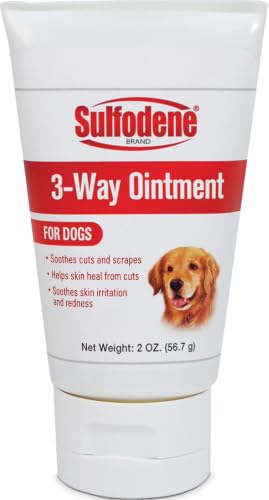
Sulfodene 3-Way Ointment
What We Like
- Vet-recommended antiseptic formula
- Creates a germ barrier for healing
- Easy squeeze tube for quick application
- Trusted brand for over 70 years
Trade-offs
- For external use only; not for human use
A 2-ounce tube of antiseptic ointment that both cleans and seals a wound means you don’t have to juggle a separate disinfectant and a barrier product. The Sulfodene formula is designed to help cuts, scrapes, and bites heal while keeping germs out. It’s vet-recommended, and the brand has been trusted for over 70 years. For everyday scrapes and minor skin irritations, this is a straightforward option to consider.
The trade-off is that this isn’t a deep-wound or burn specialist. If your dog comes home with a puncture or a serious burn, the instructions are clear: see a vet. That puts it in a different lane than something like Zymox Veterinarian Strength Topical Cream, which adds 1% hydrocortisone for inflammation.
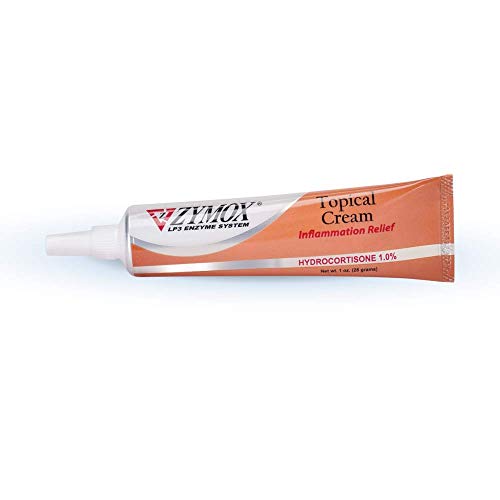
Zymox Veterinarian Strength Topical Cream
What We Like
- 1% hydrocortisone for itch relief
- No-sting formula, no pre-cleaning required
- Safe if licked after application
- Suitable for face, paws, body folds
Trade-offs
- Hydrocortisone is for itch, not deep wound healing
- Not formulated as an antibiotic or antiseptic
A 1% hydrocortisone cream that doesn’t require scrubbing the wound first means you can treat a hot spot or itchy patch without making your dog hate you. That no-sting, no-pre-clean design is the whole point: you just squeeze and go, even on sensitive spots like the face or between paw pads. This makes it a reasonable choice for dogs who flinch at the sight of a wipe, or for owners who want quick relief from scratching without a wrestling match.
Hydrocortisone stops itching and inflammation, which makes this cream ideal for plain itchy skin, dermatitis, or mild hot spots, but it won’t fight infection or seal a cut the way some wound care products might. For open wounds or scrapes beyond irritated skin, you’d want something with antimicrobial action. For everyday skin irritation, though, this cream does the job with less fuss and no sting.
Product photos
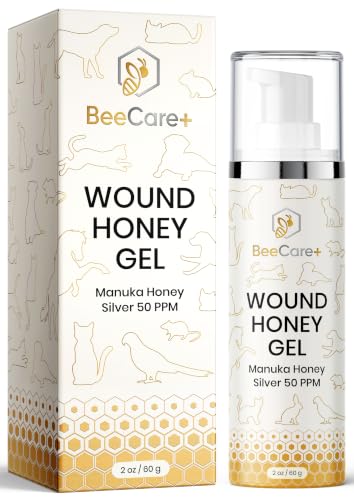
BeeCare+ Manuka Wound Honey Gel
What We Like
- Safe if licked by pets
- Contains colloidal silver for cleansing
- Non-sticky, lightweight texture
- pH-balanced for normal skin pH
Trade-offs
- Requires 10-day application schedule
The 50 PPM colloidal silver combined with Manuka Honey gives this gel a dual-action approach to wound care: the honey soothes while the silver cleanses the affected area. That makes it a strong pick for owners who want a natural compound option that’s safe if licked, so you don’t have to panic the second your dog turns its head. It works on dogs and cats, and the lightweight non-sticky texture spreads easily without leaving a greasy mess behind.
The commitment is applying it 1-2 times daily for a full 10 days (or 2-3 times if your vet says so), so you need to stay on top of the routine. Compared to the Sulfodene 3-Way Ointment, which is a different wound care option, this gel asks for more consistent effort. But if you’re after a Manuka-based gel that’s pH-balanced and safe for puppies as young as two months, this one earns its spot in the kit.
Product photos
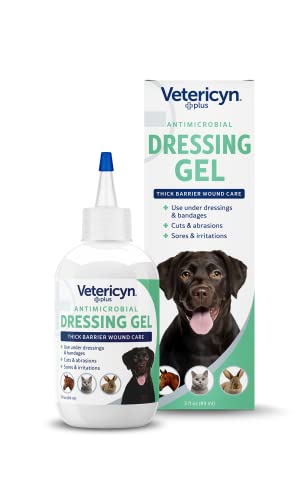
Vetericyn Plus Wound Dressing Gel
What We Like
- Thick barrier protects wounds
- Safe if licked or ingested
- No steroids or antibiotics
- Veterinarian recommended
Trade-offs
- Requires multiple daily applications
A 3-ounce tube of hypochlorous gel that creates a thick protective barrier over wounds, so you can bandage a dog’s scrape without the dressing sticking to the injury. This makes it a strong pick for owners dealing with raw spots that need to stay clean and covered, especially on dogs who won’t leave a bandage alone. The formula is safe if licked, which removes the stress of catching your pet mid-lick, and it skips antibiotics and steroids entirely, relying on a pH-balanced solution designed to mimic natural healing.
You’ll need to apply it a few times daily or at each dressing change, which means a stricter schedule than a one-and-done ointment. Compared to Sulfodene’s 3-Way Ointment, which also targets cuts and scrapes, this gel’s thicker consistency works better under wraps but demands more frequent reapplication. It’s best for someone who wants a vet-recommended barrier that won’t cause issues if the dog sneaks a taste, and who is ready to reapply regularly.
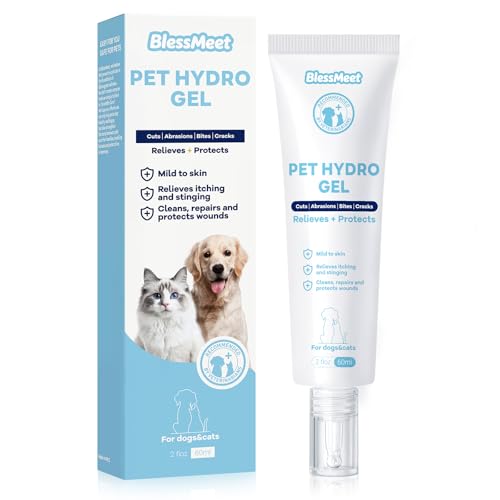
Blessmeet Pet Wound Care Hydro Gel
What We Like
- Forms transparent breathable barrier
- Safe if licked, no stinging
- Veterinarian-formulated for sensitive skin
- Precise applicator for targeted use
Trade-offs
- Only 2 oz, smaller than some wound care kits
- Not a spray; requires direct contact application
The active ingredient is purified hypochlorous acid (HOCl), a compound that mirrors your pet’s immune system’s natural healing response and is safe if licked, with no rinsing needed. The gel forms a transparent, breathable shield that fends off external irritants while maintaining a moisturized environment to support skin regeneration. It works well for common issues like hot spots, interdigital dermatitis, and superficial folliculitis, making it a practical option for pet first aid.
Because it’s a gel safe to lick, it may not stay in place as long as a thicker ointment if your pet is determined to clean the area, so reapplication might be needed. However, the safety if licked removes any worry about harmful ingestion, and the precise applicator allows clean, targeted use on delicate areas like paws, ears, and around the eyes. For someone seeking a vet-formulated, gentle wound gel that creates a breathable barrier and is safe if licked, this product fits that need.
Product photos
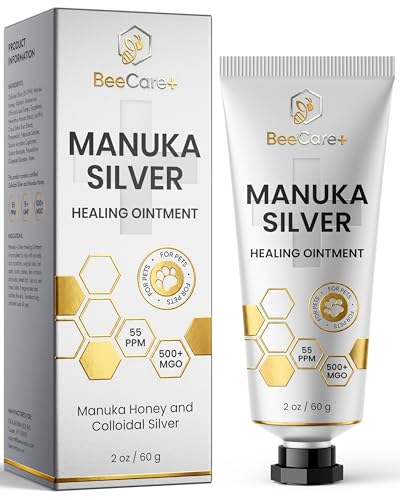
BeeCare+ Manuka Honey Ointment 500+ MGO
What We Like
- Colloidal Silver 55 PPM for gentle cleansing
- Lick-safe formula with no artificial additives
- Suitable for dogs, cats, horses, rabbits
Trade-offs
- Requires 2-3 daily applications for 7 days
- Not a spray: needs direct contact application
The routine requires applying it two to three times daily for seven days, which is more hands-on than a single-application spray. For a small, localized hot spot, the 2-ounce tube provides enough product for the full course. For larger areas, you may need to monitor how quickly the tube is used up.
Product photos
Forticept Hot Spot Treatment Kit

What We Like
- 3-in-1 kit includes spray, ointment, wrap
- pH-balanced and alcohol-free formula
- Antibiotic-free and iodine-free ingredients
- Clinically proven for wound care
Trade-offs
- Requires 2-3 applications daily for best results
- No hydrocortisone for inflammation relief
A 3-in-1 kit that gives you a spray to clean the wound, an ointment to promote healing, and a self-adhesive wrap to keep the dog from licking, all in one box. That saves you from hunting down separate products or guessing which antiseptic is safe for an open sore. The spray and ointment are pH-balanced, alcohol-free, and antibiotic-free, so they won’t sting or burn when applied, which is a big deal for a dog that’s already sore and jumpy. This kit suits people who want a complete, no-fuss system for treating hot spots, cuts, and scrapes at home, especially if the dog is prone to licking the wound open again.
You need to treat the area two to three times a day for it to work, which means you’re committing to a routine rather than a one-and-done fix. The Zymox Veterinarian Strength Topical Cream includes 1% hydrocortisone for itching, but this kit uses the wrap to block licking instead. For a straightforward wound that just needs cleaning, protection, and a barrier against licking, this kit provides all the essentials in one box.
SILVER GRADE Wound Care Ointment

What We Like
- Safe if licked by pets
- No artificial additives or GMOs
- Works for dogs, cats, rabbits, horses
Trade-offs
- Requires daily reapplication for at least a week
A 50 PPM silver concentration paired with Sanguisorba and Calendula extracts makes this gel an alternative to standard antibiotic ointments for pets. It is designed for scratches, bites, and hot spots, and it is safe to lick, though the manufacturer recommends using a cone or bandage for best results. This suits owners who prefer a specialist-approved formula without artificial additives, especially for multi-pet households that include cats, rabbits, or horses.
You’ll need to apply it two to three times a day for the first week, then once daily until the wound heals. That’s a more hands-on routine than a single-application barrier like the Vetericyn Plus Wound Dressing Gel. If your pet tolerates handling and you want a gentle, organic-based gel that works across species, this fits well. But if your dog is hard to catch or you need a set-and-forget option, the thicker gel alternatives are worth a look.
ResQ Organics Hot Spot Treatment

What We Like
- No-sting, pH-balanced formula for sensitive skin
- Safe if licked (food-grade ingredients)
- Manuka Honey + Aloe Vera for wound healing
- Versatile for dogs, cats, puppies, and horses
Trade-offs
- Not a veterinarian-strength prescription ointment
- Lacks hydrocortisone for severe inflammation
This 2-ounce tub of Manuka Honey, Aloe Vera, and Vitamin E is a no-sting, pH-balanced formula that’s safe if licked thanks to food-grade ingredients. It works on hot spots, rashes, minor cuts, and also serves as a paw balm or nose butter for dogs, cats, puppies, and horses. The natural formula is gentle for everyday use, but it lacks hydrocortisone or prescription-strength ingredients for severe inflammation.
If your dog has a weepy hot spot that needs steroid-level anti-inflammatory power, a product like Zymox’s cream with 1% hydrocortisone will work faster. But for everyday scrapes, dry patches, and mild irritation, this formula uses food-grade ingredients that are steroid, fragrance, and alcohol free, so it won’t sting or cause side effects from licking.
Product photos
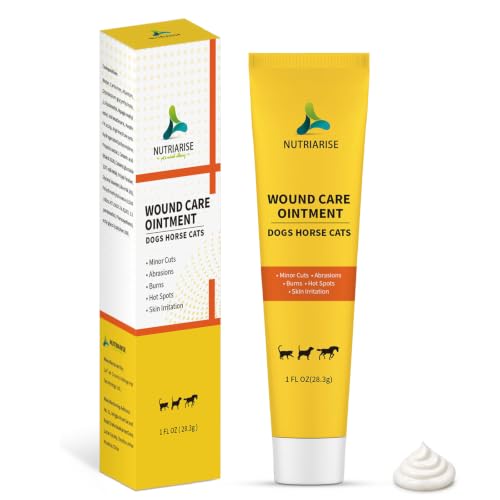
NUTRIARISE Wound Care Ointment
What We Like
- Safe if licked, non-toxic formula
- Keratin from New Zealand wool supports collagen production
- No antibiotics, steroids, parabens, or artificial additives
- Creates moisture-sealing barrier against bacteria
Trade-offs
- Smaller 1 oz size than some competitors
- No antibiotic or steroid for stubborn infections
The patented FK keratin sourced from New Zealand wool is what sets this ointment apart, it’s designed to boost collagen production and support skin regeneration rather than just covering a wound. That makes it a smart pick for pet owners who want a gentle, daily-care option that works with the body’s natural healing process, especially for hot spots, ringworm, and surface scrapes. The formula is free of antibiotics, steroids, parabens, and artificial additives, and it’s safe if licked or ingested, which removes the worry of your dog undoing your work the second you turn around.
This is a keratin-enriched healing aid, not a heavy-duty antibiotic like Sulfodene’s 3-Way Ointment, which targets bacterial infection more directly. If your dog has a deep puncture or a wound that’s already infected, you’ll want something with an active antimicrobial ingredient. But for routine scrapes, minor hot spots, and everyday skin maintenance, the Nutriarise offers a thoughtful alternative to the usual medicated creams, one that focuses on rebuilding tissue rather than just killing germs.
Product photos
How We Evaluated Ointments For Dog Wounds
We started by looking at the active ingredients in each formula, like chlorhexidine, antibiotics like bacitracin, steroids like hydrocortisone, and natural agents like Manuka honey and colloidal silver. Each serves a different purpose, and we matched those to the most common wound types dog owners face.
The three criteria that mattered most were safety if licked, application frequency, and the type of wound the ointment is designed for. A thick barrier gel like the Vetericyn Plus works well under bandages, while a lighter hydro gel like the Blessmeet is better for sensitive, exposed skin. We also weighed how easy each tube or jar is to apply one-handed while holding a wiggly dog.
No product here has been tested in our own lab. Our evaluation relies on published specs, veterinary guidelines, and what real owners report in their long-term use. We prioritize formulas that are lick-safe and free of harsh additives, because a dog’s first instinct is to clean the wound itself.
What To Look For In Ointments For Dog Wounds
Choosing a wound ointment starts with knowing what kind of injury you’re treating, a shallow scrape, a hot spot, or a puncture from a dog bite. Each needs a different active ingredient and application method.
Match the active ingredient to the wound type: antiseptics for infection prevention, antibiotics for bacterial control, hydrocortisone for itching, and natural gels like Manuka honey for gentle, lick-safe healing.
Active Ingredients: Antiseptics, Antibiotics, and Steroids
Antiseptics (like those in Sulfodene) kill or stop microorganisms on the skin surface and are the first line of defense for fresh cuts. Antibiotics target specific bacteria and are best for wounds that are already showing signs of infection. Hydrocortisone (found in Zymox) reduces inflammation and itching but does not treat infection.
For natural options, Manuka honey with a high MGO rating creates an osmotic barrier that draws moisture out of bacteria. We cover the full range of antibiotic ointments for dogs in a separate guide if your vet has recommended that route.
Lick Safety and Application
A wound ointment is useless if your dog licks it off before it can work. Look for formulas explicitly labeled as safe if licked or ingested, like the BeeCare+ gel and the Vetericyn Plus dressing. Application frequency matters too, some products require three daily applications, while others (like the Blessmeet hydro gel) form a longer-lasting barrier. If your dog is prone to licking, a thick gel or ointment that stays in place is better than a thin spray that runs off.
Wound Type and Depth
Not all wounds are the same. A shallow scrape needs a simple antiseptic barrier. A hot spot needs an anti-itch cream plus a drying agent. A puncture from a dog bite wound requires a deep-cleaning antiseptic and possibly a vet visit. Always clean a wound thoroughly before applying any ointment; debris trapped under the ointment can cause infection. For bleeding wounds, use styptic powder or direct pressure first, then clean and treat.
- Check the label for “safe if licked” or “non-toxic” before buying.
- Match the active ingredient to the wound: antiseptic for fresh cuts, hydrocortisone for itch, antibiotic for infection.
- Apply a thin layer, more is not better and can trap bacteria.
- Reapply according to the instructions, not whenever you remember.
- Stop use and call your vet if the wound worsens, swells, or develops pus.
A good rule of thumb: if the wound is deeper than a quarter-inch, bleeding heavily, or showing signs of infection after a day of home care, see your veterinarian.
Ointments For Dog Wounds Compared
The table below compares the key specs of each ointment, active ingredients, lick safety, application frequency, and best use case, so you can quickly find the right formula for your dog’s specific wound.
| Product | Size | Form | Application |
|---|---|---|---|
| Sulfodene 3-Way Ointment | 2 oz | Ointment | Squeeze tube |
| Zymox Veterinarian Strength Topical Cream | 1 oz | Topical Cream | No pre-cleaning needed |
| BeeCare+ Manuka Wound Honey Gel | 2 oz | Gel | 1-2 times daily for 10 days |
| Vetericyn Plus Wound Dressing Gel | 3 oz | Gel | Under bandages |
| Blessmeet Pet Wound Care Hydro Gel | 2 fl oz | Hydro Gel | No rinsing needed |
| BeeCare+ Manuka Honey Ointment 500+ MGO | 2 oz | Ointment | 2-3 times daily for 7 days |
| Forticept Hot Spot Treatment Kit | 4 oz | Ointment | 2-3 times a day |
| SILVER GRADE Wound Care Ointment | 2 oz | Gel | 2-3 times daily first week, then once daily |
| ResQ Organics Hot Spot Treatment | 4 Oz | Ointment | N/A |
| NUTRIARISE Wound Care Ointment | 1 oz | Ointment | N/A |
Frequently Asked Questions
What is the best ointment for a dog wound?
The best overall ointment is Sulfodene 3-Way Ointment, a vet-recommended antiseptic that creates a germ barrier for everyday cuts and scrapes. For hot spots, the BeeCare+ Manuka Honey Ointment or the Forticept Hot Spot Treatment Kit are strong choices. For itchy, sensitive spots, Zymox Veterinarian Strength Topical Cream provides fast relief without pre-cleaning.
Can I use human antibiotic ointment on my dog?
Some human antibiotic ointments like Neosporin are safe for dogs in small amounts, but they often contain pain relievers like pramoxine or ingredients like polymyxin B that can cause reactions in some dogs. It is safer to use a product formulated specifically for dogs, like the Sulfodene 3-Way Ointment or a vet-recommended OTC antibiotic ointment for dogs.
How often should I apply wound ointment to my dog?
Application frequency depends on the product. Most ointments require two to three daily applications, while some barrier gels like the Blessmeet Pet Wound Care Hydro Gel last longer between applications. Always follow the label instructions, over-applying can trap moisture and slow healing, while under-applying reduces effectiveness.
What is the difference between an antiseptic and an antibiotic for dog wounds?
Antiseptics kill or stop a broad range of microorganisms on the skin surface and are used for general wound cleaning and prevention. Antibiotics target specific bacteria and are used when an infection is already present. Many dog wound ointments, like Sulfodene, combine antiseptic properties with other healing agents. For deeper wounds, your vet may recommend a dedicated antibiotic.
Is Manuka honey safe for dogs to lick?
Yes, Manuka honey is safe for dogs to lick in small amounts. That is why it is a popular ingredient in lick-safe wound gels like the BeeCare+ Manuka Wound Honey Gel and the BeeCare+ Manuka Honey Ointment. The honey’s osmotic properties help draw moisture out of bacteria while being gentle enough for sensitive skin. Avoid honey with added xylitol, which is toxic to dogs.
The Bottom Line
For most dog owners, the Sulfodene 3-Way Ointment is the best all-around choice, it is vet-recommended, easy to apply, and effective for the everyday cuts and scrapes that come with an active dog. If your dog has itchy hot spots or skin folds that need gentle relief, the Zymox cream saves you the step of pre-cleaning and works fast.
Budget-conscious owners should look at the ResQ Organics Hot Spot Treatment, which uses Manuka honey and aloe vera at a lower price point without sacrificing lick safety. For a complete first aid kit, the Forticept Hot Spot Treatment Kit includes a spray, ointment, and wrap in one box.
No matter which ointment you choose, the single most important step is proper wound cleaning before application. A clean wound heals faster and with less risk of infection, so keep a gentle saline wash or chlorhexidine solution on hand alongside your ointment.
