
6 Best Dry Dog Food For Diabetic Dogs in 2026
This post contains affiliate links. As an Amazon Associate, we earn from qualifying purchases.
The best dry food for managing canine diabetes is Royal Canin Glycobalance Adult Dry Dog Food, thanks to its complex carbohydrate blend and targeted fiber that help moderate blood sugar. For owners who want the highest veterinary recommendation, Hill’s Prescription Diet w/d Multi-Benefit is a strong choice, while Ketona Salmon Recipe offers a low-carb alternative for dogs that don’t need a prescription diet.
Managing diabetes in dogs means controlling blood glucose through diet, and the right kibble can make a measurable difference in your dog’s daily health and insulin needs. The challenge is finding a food that balances low starch or low carbohydrates with adequate protein and healthy fat, a combination that most standard dog foods don’t provide.
This guide is based on a careful review of manufacturer specifications, veterinary nutritional guidelines, and patterns in owner feedback for six top-rated dry foods. We focus on what matters most for diabetic dogs: carbohydrate content, fiber profile, protein quality, and whether a prescription is needed.
Top 6 Dry Dog Foods For Diabetic Dogs in the Market

Certain content that appears on this site comes from Amazon. This content is provided "as is" and is subject to change or removal at any time.
The Best Dry Dog Foods For Diabetic Dogs, Reviewed
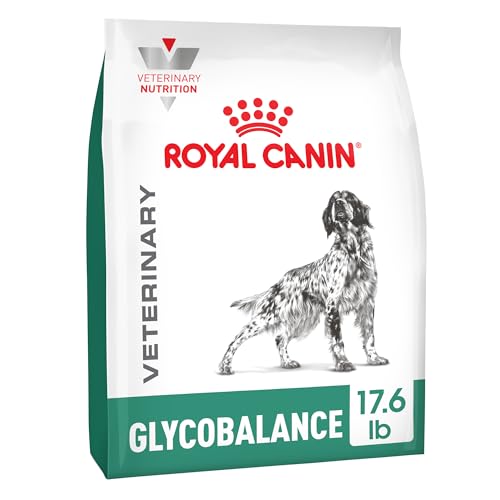
Royal Canin Glycobalance Adult Dry Dog Food
What We Like
- Complex carbs help moderate blood sugar
- Prebiotic and fiber blend minimizes glucose fluctuations
- Controlled fat supports diabetes management
Trade-offs
- Veterinary diet requires a prescription
- Large 27-inch bag takes up significant storage space
A combination of prebiotics and both soluble and insoluble fibers is designed to help minimize glucose fluctuations in diabetic dogs. Soluble fiber slows sugar absorption after meals, while insoluble fiber adds bulk to support regular digestion. The formula also uses complex carbohydrates to help moderate blood sugar and keeps fat at controlled levels, which supports diabetes management overall.
The trade-off is that this is a veterinary diet, so you will need a prescription from your vet before ordering. That adds a step compared to an over-the-counter option like Ketona Salmon Recipe Low Carb Dry Dog Food. That extra hurdle is worth it for dogs whose glucose levels are hard to keep in check, because the specific fiber blend here is designed to moderate glycemic response. For owners willing to work with their vet to get the right plan, this formula provides targeted nutritional support for managing diabetes.
Hill's Prescription Diet w/d Multi-Benefit Dry Dog Food
What We Like
- Formulated for glucose and weight management
- Therapeutic L-carnitine helps metabolize fat
- Optimal fiber blend supports healthy weight
- Controlled magnesium and sodium for urinary health
Trade-offs
- Requires a veterinarian's prescription to purchase
- Not suitable for dogs without a prescription
The #1 US veterinarian-recommended therapeutic dog food means this is the food your vet is most likely to suggest when your dog needs help managing glucose, weight, digestion, and urinary health all at once. Hill’s Prescription Diet w/d Multi-Benefit uses an optimal blend of soluble and insoluble fiber to help maintain a healthy weight while therapeutic levels of L-carnitine work to metabolize fat and preserve lean muscle. For a diabetic dog that also struggles with digestive sensitivity or urinary issues, this kibble addresses several problems with one bowl, which simplifies mealtime and reduces the number of special diets you have to juggle.
The obvious trade-off is that you cannot grab this bag off the shelf, it requires a prescription from your vet, so you will need an exam and a conversation before you can order it. That is a deliberate design: it is a medical food, not a general kibble.
Ketona Salmon Recipe Low Carb Dry Dog Food

What We Like
- 90% less carbs than leading brands
- 46% protein supports lean muscle
- Lowers blood sugar levels
- No gradual transition needed
Trade-offs
- Only available in 4.2 lb bag
- Not suitable for dogs needing higher carbohydrate intake
With less than 6% carbohydrate and 46% protein, this kibble is designed to lower blood sugar levels and support lean muscle. The formula contains twice the meat of leading brands, reflecting the ancestral diet dogs evolved on. For owners seeking a low-carb, high-protein option that helps manage glucose, this product delivers on its label claims without the cost of raw or fresh diets.
The 4.2-pound bag is smaller than the 17.6-pound bags of Royal Canin Glycobalance, which may require more frequent purchases for larger dogs. The high protein content means it is not suitable for all dogs; owners should consult a veterinarian for dogs with specific health conditions.
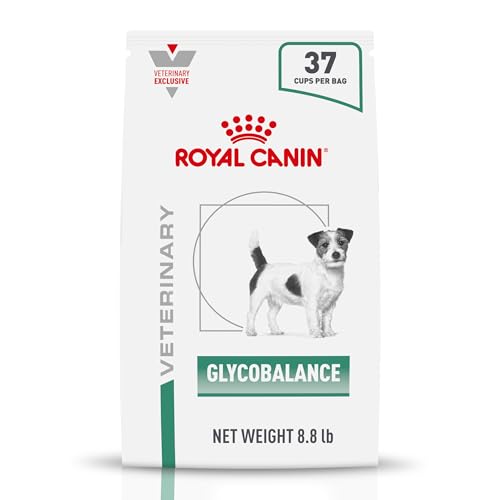
Royal Canin Glycobalance Small Adult Dry Dog Food
What We Like
- Reduced starch supports blood glucose
- Small kibbles fit tiny jaws
- Poultry base for appetite appeal
Trade-offs
- Only for small dogs under 22 lbs
- Requires veterinary prescription for purchase
A reduced starch formulation means this food is built around managing blood glucose swings in small diabetic dogs, not just filling a bowl. The kibbles are sized for dogs up to 22 pounds, which matters when a Chihuahua or Miniature Schnauzer struggles with standard-size pieces. If your dog fits the weight limit and needs a diabetes-specific diet that doesn’t fight its own anatomy, this is the straightforward option.
The small-breed line comes only in an 8.8-pound bag, which means more frequent repurchasing compared to the 17.6-pound bag available for the standard Royal Canin Glycobalance formula. For anyone with a small diabetic dog who wants a kibble that actually fits their mouth and their metabolism, this is the one.
Product photos
Ketona Chicken Recipe Low Carb Dry Dog Food

What We Like
- 46%+ protein from antibiotic-free chicken
- Non-GMO, sustainably raised chicken
- Less than 6% total digestible carbohydrates
Trade-offs
- No veterinary therapeutic claim for diabetes
Every chicken used comes from American ranchers who follow sustainable practices, and the birds are raised without antibiotics or GMOs. That ingredient sourcing gives owners a clear reason to trust what goes into the bowl, especially when paired with the protein and carb numbers. Reviewers note that knowing the meat is traceable to US farms makes the higher price tag easier to justify for those who prioritize clean protein sources in their dog’s diet.
Bag size is the main consideration: at 4.2 pounds, you’ll be reordering more often than with the 17.6-pound bags of Hill’s Prescription Diet w/d or Royal Canin Glycobalance. Unlike those veterinary diets, Ketona doesn’t carry a therapeutic diabetes claim, so it’s worth discussing with your vet before switching. For owners who prioritize carb control above all else, this is a focused option.
Product photos
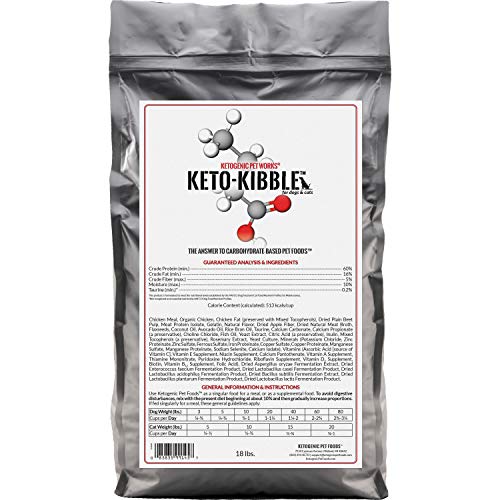
Ketogenic Pet Foods Keto-Kibble Dry Dog Food
What We Like
- Over 60% protein for carnivore needs
- Zero starch, no insulin spikes
- Grain-free and starch-free formula
- Formulated for both dogs and cats
Trade-offs
- Only formulated for maintenance, not all life stages
- Not suitable for pets needing prescription glucose or digestive management
With more than 60% protein and zero starch, this kibble skips the carbohydrate fillers that can spike insulin and disrupt metabolism. It’s formulated to feed the carnivorous nature of dogs and cats, relying on meat and fat rather than grains or potatoes. That makes it a strong option for owners who want to avoid any ingredient that might disrupt metabolic balance, especially when managing a pet’s diet tightly.
With over 60% protein, this food is designed to mimic a carnivore’s natural diet. But that high-protein, low-carb formula means it’s only for adult maintenance, not for puppies, pregnant dogs, or pets with other medical needs. Compared to Hill’s Prescription Diet w/d, which is #1 Veterinarian Recommended for digestive, weight, glucose, and urinary management, Keto-Kibble takes a starch-free approach that may not suit every dog’s digestive system. It works as a primary meal or a protein booster, but owners should introduce it gradually to avoid stomach upset.
Product photos
How We Evaluated Dry Dog Foods For Diabetic Dogs
We evaluated each product against the nutritional priorities that matter for canine diabetes. The evaluation drew from manufacturer nutritional data, veterinary nutrition guidelines, and patterns reported by owners managing diabetic dogs at home. Because this is a research-based guide, we rely on published specifications and the collective experience of the dog-owning community.
The three criteria that carried the most weight were carbohydrate and starch content, fiber type and amount, and protein-to-fat ratio. Diabetic dogs need diets that minimize glucose spikes, and that starts with knowing exactly how many digestible carbohydrates are in each serving. We also prioritized foods with a clear nutritional rationale, either a veterinary therapeutic claim or a formulation specifically designed for low-glycemic response.
An honest limit of a research-led evaluation is that individual dogs respond differently to the same food. What works for one diabetic dog may not work for another, which is why we recommend working with your veterinarian when choosing from these options. For a deeper look at the full category, our guide to dry dog food for diabetes covers additional considerations.
What To Look For In Dry Dog Food For Diabetic Dogs
Choosing the right food means looking past the label claims and focusing on the numbers that affect blood sugar. The key is finding a kibble with low digestible carbohydrates, moderate fat, and a fiber source that slows glucose absorption.
Prioritize foods with low total digestible carbohydrates, a minimum of high crude protein from quality sources, and a fiber blend that includes both soluble and insoluble types. Prescription diets offer the most targeted nutrition, but non-prescription low-carb options can work for some dogs under veterinary supervision.
Carbohydrate and Starch Content
The single most important factor for a diabetic dog’s diet is the amount of digestible carbohydrate. Starches break down into glucose, and too much starch means a bigger blood sugar spike after meals. Look for foods that list their carbohydrate content or, at minimum, have a guaranteed analysis low in fiber and high in protein, this usually indicates lower carbs. Many owners find that low-carb dog food makes blood glucose easier to manage, especially when switching from a standard maintenance diet.
Fiber Profile and Type
Fiber slows digestion and helps blunt post-meal glucose spikes. The best diabetic diets include a blend of soluble fiber (which forms a gel in the gut and delays carbohydrate absorption) and insoluble fiber (which aids regularity and weight management). Prescription diets like Hill’s w/d use a specific fiber blend designed for glucose management, while some non-prescription low-carb formulas rely on the natural fiber content of their ingredients. If your dog also struggles with weight, look for higher total fiber on a dry matter basis.
Protein Source and Quality
Diabetic dogs need sufficient protein to maintain lean muscle mass, especially if they are losing weight from uncontrolled diabetes. High-quality animal protein, chicken, salmon, or poultry meal, provides essential amino acids without adding unnecessary carbohydrates. Some low-carb formulas push protein above typical levels, which can be appropriate for active dogs but may be too high for dogs with kidney concerns. Always check the protein-to-fat ratio, as excess fat can contribute to pancreatitis, a common concern in diabetic dogs.
Prescription vs. Over-the-Counter
- Prescription diets like Royal Canin Glycobalance and Hill’s w/d are formulated with veterinary input and have clinical data supporting their use for diabetes management.
- Non-prescription options like Ketona and Ketogenic Pet Foods offer very low carbohydrate levels but lack therapeutic claims, they may work well for some dogs but require closer monitoring.
- Always consult your veterinarian before switching foods, especially if your dog is on insulin.
- For owners who prefer not to involve a vet, our guide to non-prescription diabetic dog food offers alternatives worth considering.
The safest approach is to choose a prescription diet first and only consider over-the-counter low-carb options if your veterinarian confirms they are appropriate for your dog’s specific health profile.
Dry Dog Foods For Diabetic Dogs Compared
The table below compares all six dry foods side by side, highlighting their carbohydrate approach, protein content, and prescription status so you can quickly narrow your options.
| Product | Weight | Protein | Carbohydrate Type |
|---|---|---|---|
| Royal Canin Glycobalance Adult Dry Dog Food | 17.6 lb | N/A | Complex carbohydrates |
| Hill's Prescription Diet w/d Multi-Benefit Dry Dog Food | 17.6 lb | N/A | N/A |
| Ketona Salmon Recipe Low Carb Dry Dog Food | 4.2 lb | 46% | Less than 6% |
| Royal Canin Glycobalance Small Adult Dry Dog Food | 8.8 lb | N/A | Reduced starch formulation |
| Ketona Chicken Recipe Low Carb Dry Dog Food | 4.2 lb | More than 46% | Less than 6% |
| Ketogenic Pet Foods Keto-Kibble Dry Dog Food | 18.0 lb | 60+% | Starch free |
Frequently Asked Questions
What is the best dry dog food for diabetic dogs?
The best overall choice is Royal Canin Glycobalance Adult Dry Dog Food, which uses complex carbohydrates and a prebiotic fiber blend to help moderate blood sugar. It requires a veterinary prescription, so you will need a vet’s approval to purchase it.
Can I feed my diabetic dog non-prescription dry food?
Yes, some non-prescription low-carb foods like Ketona Salmon Recipe and Ketogenic Pet Foods Keto-Kibble can help manage blood sugar. However, they lack the clinical testing and therapeutic claims of prescription diets, so you should discuss this option with your veterinarian first.
What carbohydrates should diabetic dogs avoid?
Diabetic dogs should avoid foods high in simple carbohydrates and starches, such as corn, wheat, rice, and potatoes. These ingredients break down into glucose quickly and can cause sharp blood sugar spikes. Look for foods that use complex carbohydrates or very low total digestible carbs instead.
How do I transition my diabetic dog to a new dry food?
Most diabetic foods can be switched gradually over several days, mixing increasing amounts of the new food with the old. Ketona formulas claim no gradual transition is needed, but it is still wise to monitor your dog’s blood glucose closely during any food change and consult your vet.
Is wet or dry food better for diabetic dogs?
Both can work, but dry food is more convenient for portion control and dental health. Some owners prefer wet food for its higher moisture content and lower carbohydrate density. Our guide to canned food for diabetic dogs covers the pros and cons of wet options.
The Bottom Line
For most owners managing a diabetic dog, Royal Canin Glycobalance Adult Dry Dog Food is the strongest choice because it combines veterinary-formulated complex carbohydrates with a fiber blend designed to minimize glucose fluctuations. It is best suited for owners who are comfortable working with their veterinarian to obtain a prescription and who want a targeted therapeutic diet.
If your diabetic dog also struggles with weight, digestive issues, or urinary health, Hill’s Prescription Diet w/d Multi-Benefit offers the highest veterinary recommendation and addresses multiple conditions in one food. For owners who prefer a non-prescription route, Ketona Salmon Recipe provides very low carbohydrate levels and high protein without a vet visit.
The single most important factor in choosing any food for a diabetic dog is getting your veterinarian involved. Blood glucose management is highly individual, and the right diet depends on your dog’s insulin dose, activity level, and overall health. Start with a prescription diet, monitor closely, and adjust only under professional guidance.
