
10 Best Dog Food For Pug Puppies in 2026
This post contains affiliate links. As an Amazon Associate, we earn from qualifying purchases.
The Royal Canin Pug Puppy Dry Dog Food is the best overall choice. Its kibble is shaped specifically for a pug’s short jaw and flat face, so it is easier for them to pick up. It also includes an antioxidant blend for immune development and prebiotics for stool quality. For owners who prefer a natural recipe, the Wellness Complete Health Small Breed Puppy wins for best natural ingredients. The Jinx Puppy Dry Dog Food leads for brain development with added DHA.
Pug puppies are a special case. Their brachycephalic (flat-faced) structure makes standard kibble hard to pick up and chew, and their sensitive digestive systems need careful nutrition from the start. Choosing the wrong food can lead to messy meals, poor stool quality, and a frustrated puppy.
This guide is research-based, drawing on manufacturer specifications, breed-specific veterinary guidance, and patterns in owner feedback. We evaluated formulas for kibble shape, ingredient quality, digestive support, and developmental needs to help you find the right match for your pug puppy.
Top 10 Dog Foods For Pug Puppies in the Market

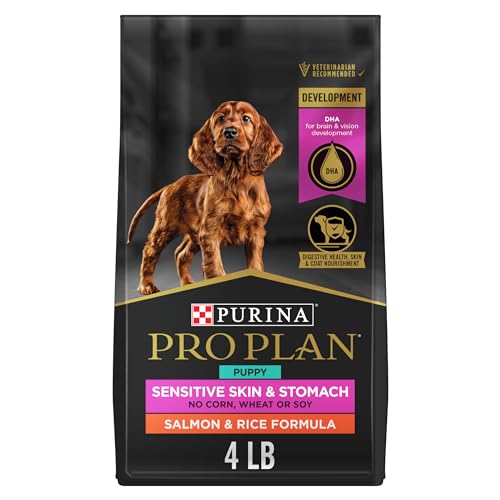

Certain content that appears on this site comes from Amazon. This content is provided "as is" and is subject to change or removal at any time.
The Best Dog Foods For Pug Puppies, Reviewed
Royal Canin Pug Puppy Dry Dog Food

What We Like
- Antioxidant blend for immune development
- Prebiotics for stool quality
- Supports skin barrier health
Trade-offs
- Only 2.5 lb bag limits value per feeding
- Formulated exclusively for pug puppies
The unique kibble shape is designed so that small dogs can pick up and chew their food more easily, which means less mess around the bowl and more of the meal actually getting eaten. An exclusive complex of antioxidants, including vitamin E, helps support immune system development during puppyhood. The high-quality proteins and prebiotics also support healthy digestion and promote optimal stool quality, a practical benefit when you’re working on house-training.
The trade-off is bag size: at 2.5 pounds, it runs out faster than the 4-pound bags from Wellness Complete Health Small Breed Puppy or Purina Pro Plan Sensitive Skin & Stomach Puppy. So you’ll be reordering more often. But if you want a food formulated specifically for purebred Pugs from 8 weeks to 10 months old, with a kibble shape that makes pickup easier, this is the one that matches those needs without guesswork.
Wellness Complete Health Small Breed Puppy Dry Dog Food
What We Like
- No corn, wheat, or soy
- Probiotics for digestive health
- Omega fatty acids for skin and coat
- Made in USA with global ingredients
Trade-offs
- Contains grains, not grain-free
- Kibble size designed for small breeds, not pug-specific
This recipe skips corn, wheat, and soy, which can be helpful for puppies with sensitive stomachs. Probiotics support digestion during growth, and omega fatty acids help maintain a healthy skin and coat. It’s a natural option without artificial preservatives or colors, made in the USA with globally sourced ingredients.
This is a general small-breed formula, not one shaped for a single breed like the Royal Canin Pug Puppy, which uses a specialized kibble for easy pickup. If your puppy is a picky eater, the Royal Canin option may offer a different kibble shape. But if you want a grain-inclusive recipe with no corn, wheat, or soy and strong digestive support, this bag delivers.
Jinx Puppy Dry Dog Food
What We Like
- DHA for brain and eye development
- Real chicken as first ingredient
- Probiotics for digestive support
- No corn, wheat, soy, or fillers
Trade-offs
- Not breed-specific for pug jaw shape
- Not suitable for puppies with grain sensitivities
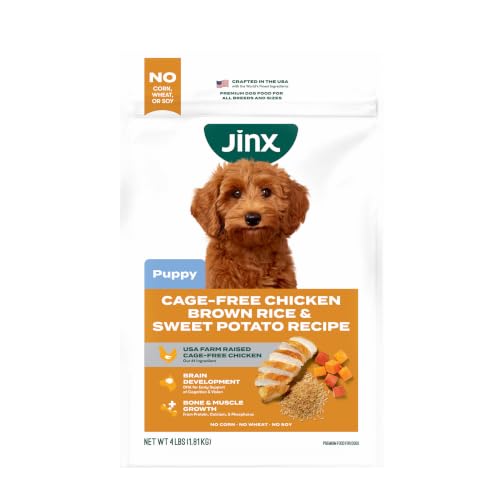
DHA enrichment supports brain and eye development during the first year, which is a key benefit for any puppy owner focused on cognitive health. Real chicken as the first ingredient delivers high-quality protein for lean muscle, while calcium and phosphorus back bone growth. The probiotics and sweet potato fiber also support digestion and immune health. This recipe suits owners who want a clean, filler-free food for their puppy’s development.
This is a general puppy formula, not designed for a specific breed’s needs. Royal Canin Pug Puppy is formulated for pug puppies and offers immune system support, skin support, and healthy digestion, with specialized kibble for easy pickup. If your pug puppy has specific breed-related needs, that formula might be more suitable. For owners who prioritize DHA and clean ingredients, Jinx provides those benefits.
Purina Pro Plan Sensitive Skin & Stomach Puppy Dog Food
What We Like
- Real salmon is first ingredient
- Contains DHA for brain and vision development
- Prebiotic fiber supports digestive health
- Omega-6 and vitamin A for skin and coat
Trade-offs
- Salmon flavor not preferred by every picky puppy
- Rice-based, not grain-free
Real salmon as the first ingredient means this recipe puts digestible protein front and center, which matters when a puppy’s stomach is easily upset. The prebiotic fiber and easily digestible rice work together to maintain stool quality, while DHA from fish oil supports brain and vision development during those critical early months. For anyone dealing with a sensitive stomach or skin issues in their puppy, this formula targets those problems directly without extra fillers or mystery ingredients.
The bag size is the trade-off: at 4 pounds, it’s fine for a single small puppy but runs out fast if you have multiple pups or a larger breed in the house. Compared to Royal Canin Pug Puppy, which offers a breed-specific formula for pug puppies, this Purina formula focuses on digestive gentleness over breed-specific tailoring. If your puppy’s main struggle is a touchy tummy rather than breed-specific needs, this is the more practical choice. If breed-specific formulation is a concern, the Royal Canin option may be worth a look.
Royal Canin Small Puppy Dry Dog Food

What We Like
- Supports brain development during growth
- Antioxidants for immune support
- Prebiotics and proteins aid digestion
Trade-offs
- Only for puppies under 22 pounds adult weight
- Not suitable for large breed puppies over 22 lbs
A 4-pound bag designed for puppies expected to reach 9 to 22 pounds means this food is calibrated for the rapid growth phase of a small breed like a pug. The formula delivers antioxidants to support the immune system and prebiotics plus proteins to keep digestion on track, which matters when a puppy’s gut is still figuring things out. It also targets brain development during those critical early months. If you want a straightforward, veterinarian-developed option that covers the basics of growth without extra bells and whistles, this fits the bill.
Blue Buffalo Baby BLUE Small Breed Puppy Dry Dog Food

What We Like
- Real chicken as first ingredient
- DHA for cognitive development
- Antioxidant-rich LifeSource Bits
- No corn, wheat, soy, or by-products
Trade-offs
- Not breed-specific for pug jaw shape
- Small 4 lb bag for growing puppies
Real chicken is the first ingredient, so this formula provides a high-protein foundation to support a puppy’s growth and energy needs. DHA aids cognitive development during early months, and the antioxidant-rich LifeSource Bits help support the immune system as it matures. For a small breed puppy, this recipe offers a clean ingredient list with no corn, wheat, soy, or poultry by-product meals.
Chicken is the #1 ingredient in this Blue Buffalo puppy food, so you’re getting a high-protein recipe that supports growth and play. It’s a general small-breed formula, not tailored to a single breed like the pug-specific Royal Canin option, which is formulated for pug puppies. If you want clean ingredients with no chicken by-product meals, corn, wheat, or soy, this delivers solid foundational nutrition.
Product photos
Wellness CORE Small Breed Puppy Dry Dog Food
What We Like
- Grain-free formula with turkey and salmon
- 53% protein supports lean muscle
- DHA for brain and bone development
- No corn, wheat, soy, or by-products
Trade-offs
- Manufactured in facility that also processes grains
- 4 lb bag is small for larger litters
- Not breed-specific for pug jaw shape
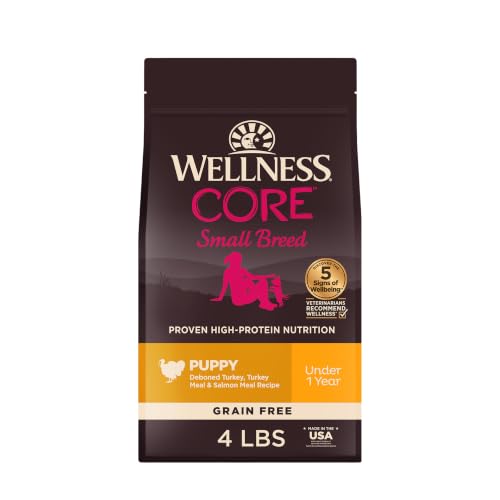
With 53% of its ingredients coming from high-quality protein sources like turkey and salmon, this kibble is designed to support lean muscle growth without relying on fillers. Guaranteed levels of DHA aid brain development, while probiotics help maintain digestive health. The grain-free recipe contains no corn, wheat, or soy, and it’s made in the USA from globally sourced ingredients.
Product photos
IAMS Proactive Health Healthy Puppy Dry Dog Food
What We Like
- Omega-3 DHA for cognitive development
- High-quality protein from chicken and eggs
- Supports bones, joints, muscles, and skin
- Antioxidants for immune system support
Trade-offs
- Not breed-specific for pug puppies
- Not tailored to brachycephalic breeds like pugs
Omega-3 DHA is the standout ingredient here, targeting cognitive and vision development in growing puppies. That means your pug pup gets a head start on learning and trainability, backed by a recipe that also supports strong muscles, bones, and joints. It suits owners who want broad, science-backed health coverage without locking into a breed-specific formula.
Product photos
Purina Pro Plan Toy Breed Dry Puppy Food

What We Like
- Real chicken is first ingredient
- DHA supports brain and vision development
- Live probiotics for digestive health
- High protein for active toy breeds
Trade-offs
- Not breed-specific like some competitors
- Contains chicken, not for dogs with poultry allergies
A 5-pound bag of food formulated for toy breed puppies provides a high-protein recipe with chicken listed first. DHA from omega-rich fish oil supports brain and vision development, while guaranteed live probiotics aid digestive and immune health. This formula is designed for highly active toy breed puppies, offering a practical nutrition option from a well-known brand.
The most decisive fact is that this food is formulated high in protein to meet the needs of highly active toy breed dogs, with real chicken leading the ingredient list. So it supports the energy demands of a growing, bouncy puppy. It is designed for toy breeds broadly, not for a single breed like pugs. The Royal Canin Pug Puppy formula is a breed-specific alternative that targets immune system support, skin support, and healthy digestion for pug puppies. If you prefer a formula tailored to your pug’s breed, that option may be worth considering. However, for most toy breed puppies, this Purina Pro Plan formula provides solid nutrition.
Product photos
Eukanuba Puppy Small Breed Dry Dog Food

What We Like
- Real chicken as first ingredient
- Clinically proven DHA for brain development
- Optimal calcium and phosphorus for bones
- Concentrated energy for growing puppies
Trade-offs
- Not formulated specifically for pug breed needs
- Not suitable for puppies with expected adult weight over 23 lbs
A 4.5-pound bag of small breed puppy food built around chicken as the top ingredient means protein takes center stage for lean muscle growth. The calcium and phosphorus levels are dialed in to support developing bones, while DHA at clinically proven levels targets brain development for a smarter, more trainable pup. This makes it a strong fit for pug puppies whose owners want a straightforward, science-backed formula that covers the big three: muscles, bones, and brain. It suits anyone who prefers a breed-size generalist over a breed-specific recipe, especially when muscle and skeletal support are the priority.
This food is designed for all small breeds under 23 pounds, not specifically for the unique facial structure or digestive quirks of a pug. If your pug puppy has a sensitive stomach or you want kibble tailored to flat-faced breeds, the Royal Canin Pug Puppy formula addresses those details directly. For owners focused on straightforward muscle and bone nutrition without breed-specific frills, this is a practical, no-nonsense choice.
Product photos
How We Evaluated Dog Foods For Pug Puppies
We focused on what actually matters for a pug puppy’s health and mealtime success. Our evaluation combined manufacturer nutritional data, breed-specific feeding recommendations from veterinary sources, and real-world owner reports about kibble acceptance, stool quality, and coat condition.
The four criteria that mattered most were kibble shape and size, ingredient quality, digestive support, and developmental nutrients. A flat-faced pug needs a small, uniquely shaped piece they can actually pick up. Ingredient quality means no corn, wheat, or soy where possible to reduce allergy risk. Digestive support includes prebiotics or probiotics for sensitive stomachs. Developmental nutrients cover DHA for brain and eyes, plus calcium for bones.
Because we did not conduct hands-on feeding trials, our evaluation is limited to what the specifications and owner feedback patterns tell us. We prioritized brands with strong reputations for breed-specific and small-breed formulation, and we looked for consistent positive reports rather than isolated praise.
What To Look For In Dog Foods For Pug Puppies
Choosing the right food for a pug puppy means looking past the marketing and focusing on how the kibble fits their mouth and how the ingredients support their unique digestive and developmental needs.
Look for kibble shaped for a pug’s flat face, a short ingredient list with named protein sources, added DHA for brain development, and probiotics or prebiotics for sensitive stomachs.
Kibble Shape and Size
A pug puppy’s short muzzle and undershot jaw make it difficult to pick up standard round or large kibble. The best options use a small, uniquely shaped piece, often a flat, triangular, or star-shaped kibble, that the puppy can scoop up with their tongue rather than bite. The Royal Canin Pug Puppy formula uses a kibble designed specifically for this purpose. If you choose a non-breed-specific food, look for a “small breed” or “toy breed” label, which typically indicates a smaller kibble diameter.
Digestive Support Ingredients
Pug puppies are prone to loose stools and gas, especially during the transition from mother’s milk to solid food. Formulas with added prebiotic fiber (like beet pulp or chicory root) or live probiotics help maintain healthy gut bacteria and improve stool quality. The Purina Pro Plan Sensitive Skin & Stomach and Wellness Complete Health formulas both include these supports. Avoid foods with long lists of fillers, artificial colors, or unnamed meat meals, which can trigger digestive upset in sensitive pug puppies.
Developmental Nutrients
The first year of a pug’s life is critical for brain, eye, and bone development. Look for DHA (docosahexaenoic acid), an omega-3 fatty acid that supports cognitive and vision development. Puppy formulas from Jinx, Blue Buffalo, and IAMS all include DHA. For bone and joint health, ensure the food has a balanced calcium-to-phosphorus ratio, this is especially important for small breed puppies who reach adult size quickly. The Eukanuba Small Breed formula lists optimal calcium and phosphorus levels for bone support.
A good rule of thumb: if the kibble looks like it would be hard for a flat-faced dog to pick up, it’s probably not the right choice for a pug puppy.
Dog Foods For Pug Puppies Compared
The table below compares the top ten dog foods for pug puppies across key features like kibble shape, protein source, and digestive support, making it easy to see which formula fits your puppy’s needs.
| Product | Protein Source | Key Nutrients | Bag Size |
|---|---|---|---|
| Royal Canin Pug Puppy Dry Dog Food | N/A | Vitamin E antioxidant complex | 2.5 lb |
| Wellness Complete Health Small Breed Puppy Dry Dog Food | Turkey, Oatmeal, Salmon | Antioxidants, Probiotics, Omega Fatty Acids | 4 lb |
| Jinx Puppy Dry Dog Food | Real Chicken | DHA, Protein, Calcium | 4 lb |
| Purina Pro Plan Sensitive Skin & Stomach Puppy Dog Food | Real salmon | Prebiotic fiber, DHA, omega-6 | 4 lb |
| Royal Canin Small Puppy Dry Dog Food | N/A | Brain, immune, digestive | 4 lb |
| Blue Buffalo Baby BLUE Small Breed Puppy Dry Dog Food | Chicken | DHA, LifeSource Bits | 4 lb |
| Wellness CORE Small Breed Puppy Dry Dog Food | Turkey and Salmon | DHA, calcium, phosphorus, probiotics | 4 lb |
| IAMS Proactive Health Healthy Puppy Dry Dog Food | Chicken & eggs | Omega-3 DHA | 5 lb |
| Purina Pro Plan Toy Breed Dry Puppy Food | Real chicken, first ingredient | DHA, probiotics, antioxidants | 5 lb |
| Eukanuba Puppy Small Breed Dry Dog Food | Real Chicken First | DHA, calcium, phosphorus | 4.5 lb |
Frequently Asked Questions
When should I switch my pug puppy from puppy food to adult food?
Most pug puppies reach their adult size around 10 to 12 months of age. At that point, you can begin transitioning to an adult formula. The difference between puppy food and adult food is significant: puppy formulas have more calories, protein, and calcium for growth, while adult foods maintain weight and joint health. Always transition over a week by mixing increasing amounts of the new food.
How much should I feed my pug puppy?
Feeding amounts depend on the specific food’s calorie density and your puppy’s age and weight. Most brands provide a feeding chart on the bag based on expected adult weight. Pug puppies are prone to obesity, so measure each portion with a kitchen scale or standard cup and avoid free-feeding. A pug feeding guide from your veterinarian can give you a more precise target based on your puppy’s body condition.
Can pug puppies eat grain-free dog food?
Yes, some pug puppies do well on grain-free diets, especially if they have grain sensitivities that cause itchy skin or digestive issues. The Wellness CORE Small Breed Puppy is a good grain-free option with turkey and salmon. However, grain-free is not necessary for every pug puppy, and some veterinary guidance suggests that grains provide valuable fiber and nutrients. If you are unsure, start with a grain-inclusive formula like Wellness Complete Health and watch for any reactions.
What ingredients should I avoid in pug puppy food?
Avoid foods with unnamed meat meals, artificial colors, and excessive fillers like corn gluten meal or wheat middlings, which can trigger allergies and digestive upset in sensitive pug puppies. Also steer clear of foods with a high fat content, as pug puppies are prone to pancreatitis. Stick to named protein sources like chicken, salmon, or turkey, and look for limited ingredient lists with recognizable components. For more detail, see our guide on how to choose puppy food.
Is breed-specific food really necessary for pug puppies?
It can make a real difference. Breed-specific formulas like Royal Canin Pug Puppy are designed with a kibble shape that matches the pug’s short jaw and flat face, making it easier to eat and reducing mess. They also include nutrient levels tailored to the breed’s common health concerns, such as skin barrier support and digestive sensitivity. That said, many pug puppies thrive on high-quality small breed puppy foods that meet the same nutritional standards, just pay attention to kibble size and ingredient quality.
The Bottom Line
For most pug puppy owners, the Royal Canin Pug Puppy Dry Dog Food is the best overall choice because it eliminates the guesswork about kibble shape and digestive support. It is designed specifically for the breed’s flat face and sensitive stomach, which are the two biggest challenges in feeding a pug puppy. If your budget is tighter or you prefer a more natural ingredient list, the Wellness Complete Health Small Breed Puppy is an excellent alternative that still meets all the key criteria.
Owners of particularly picky or sensitive pug puppies should look at the Purina Pro Plan Sensitive Skin & Stomach, which uses salmon as a single protein source and includes prebiotic fiber. For those focused on brain development, the Jinx Puppy formula offers DHA and probiotics in a clean-ingredient recipe. And if you are raising a pug alongside another small breed, the Royal Canin Small Puppy formula provides balanced growth support for puppies under 22 pounds.
The single most important factor in choosing food for a pug puppy is kibble shape, if the pieces are too large or round, your puppy will struggle to eat, leading to frustration and poor nutrition. Start with a breed-specific or small breed formula, measure portions carefully, and watch your puppy’s stool quality and energy levels for the first few weeks.
