
10 Best Cream For Dog Rash in 2026
This post contains affiliate links. As an Amazon Associate, we earn from qualifying purchases.
The Zymox Veterinarian Strength Topical Cream earns our Best Overall pick because it combines a veterinarian-strength 1% hydrocortisone formula with a no-prep application that works on sensitive areas like the face and paws. For dogs with severe pain from hot spots, the TropiClean HomeVet Medicated Cream offers dual-action relief, while the Vetericyn Plus Hot Spot Spray is our top choice for allergy-related itching.
A dog rash can mean anything from a small bug bite to a weeping hot spot, and the wrong treatment can make things worse. Most owners need a product that targets the specific cause, whether that’s allergies, yeast, bacteria, or simple friction, without requiring a complicated routine or causing more irritation.
This guide is built from manufacturer specifications, veterinary guidelines, and patterns in owner feedback across ten different treatments. We break down each product’s strengths, trade-offs, and ideal use case so you can match the right formula to your dog’s specific rash.
Top 10 Creams For Dog Rash in the Market
Certain content that appears on this site comes from Amazon. This content is provided "as is" and is subject to change or removal at any time.
The Best Creams For Dog Rash, Reviewed
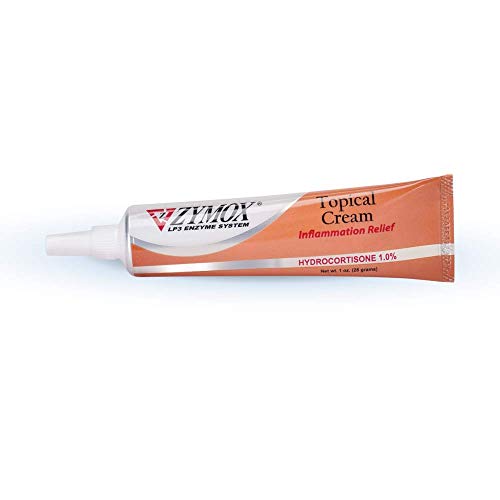
Zymox Veterinarian Strength Topical Cream
What We Like
- No pre-cleaning required before application
- Safe if licked after application
- Veterinarian-strength 1% hydrocortisone formula
- Suitable for face, paws, and body folds
Trade-offs
- Cream format can be messy on hairy areas
- Not formulated for deep wound infections
A 1% hydrocortisone cream that requires no pre-cleaning means you can apply it directly to a hot spot or rash without scrubbing a sore, irritated area first. That no-sting formula matters when your dog is already flinching from the itch. This makes it a practical pick for dogs who resist handling, especially around sensitive spots like the face and paws where cleaning can be a battle. The veterinarian-strength concentration helps manage skin issues without harsh chemicals, and the lick-safe claim takes the edge off worrying about what gets swallowed during grooming.
The trade-off is tube size. At one ounce, this cream covers a few targeted spots well but runs out fast if you are dealing with a large patch of dermatitis across the back or belly. For a big-area issue, a spray product might stretch further because a spray covers more ground per application. But for a single angry hot spot or a fold rash on a squirming dog, this cream’s no-prep, no-sting approach is a practical choice.
Product photos
Vetericyn Plus Hot Spot Spray

What We Like
- Non-toxic hypochlorous technology
- Safe if licked
- Relieves allergy symptoms
- Veterinarian recommended
Trade-offs
- No hydrocortisone for severe inflammation
- No steroids for severe allergy cases
The 8-ounce spray uses non-toxic hypochlorous technology that is pH-balanced and safe if licked, so you can apply it without wrestling your dog away from the spot afterward. That makes it the obvious pick if your dog treats every rash like a snack and you want something that cleans, soothes, and curbs licking without the worry of ingestion. It also targets red, inflamed skin from seasonal allergies, which is a common trigger for hot spots that other creams often ignore.
The spray is a liquid, not a thick cream, so on a weeping or matted hot spot it can run off before it really sinks in. The Zymox spray comes in a 2-ounce bottle with 1% hydrocortisone, but this product is safe if licked and uses a non-toxic hypochlorous technology that is pH-balanced. For everyday itch from allergies and a dog that licks everything, this is the safer, simpler start.
TropiClean HomeVet Medicated Cream

What We Like
- Vet-strength itch and pain relief
- Hydrocortisone and Lidocaine stop pain fast
- Dual-action soothes and relieves irritation
- Trusted brand with 40+ years innovation
Trade-offs
- Cream format can be messy on furry areas
- Contains lidocaine which some dogs dislike
A cream that pairs Hydrocortisone with Lidocaine means it targets both the itch and the pain at the same time. That dual-action approach is what makes this a go-to for severe hot spots where your dog is clearly uncomfortable. It’s labeled as vet-strength, so you’re not guessing with a mild formula when the rash is raw and angry. If your dog has a single, angry spot that needs fast relief, this is the one you grab first.
The 1 oz tube delivers vet-strength relief for hot spots, but the cream format can be messy on furry areas. It combines Hydrocortisone and Lidocaine to stop pain and itch fast, so it works well for small, targeted spots like bites or scrapes. Just keep in mind that this is a spot treatment, not a whole-body lotion.
Product photos
Zymox Topical Hot Spot Spray

What We Like
- Soothing no-sting formula for sensitive skin
- Contains 1% hydrocortisone for relief
- LP3 Enzyme System fights fungi and yeast
- No pre-cleaning needed before application
Trade-offs
- 2 oz bottle covers fewer applications than larger sizes
- Contains hydrocortisone, which some pets should avoid.
A 1% hydrocortisone spray that skips the pre-cleaning step and goes straight onto the skin means you can treat a hot spot without wrestling a sore dog through a bath first. The LP3 Enzyme System works alongside the hydrocortisone to relieve itchy, infected, or irritated skin, including skin infections caused by germs, fungi, and yeast. Aloe vera soothes the area, and the formula is non-toxic and safe if your pet licks the application site.
The Zymox Topical Hot Spot Spray weighs just 0.1 pounds, so it’s light enough to toss in a bag for travel or outdoor trips. At 2 ounces, the bottle is compact but will run out faster on large or multiple hot spots compared to a cream that lets you apply exactly where needed. The spray is convenient for covering broad areas or hard-to-reach spots, but if your dog dislikes the spray sound, you might prefer a cream’s quieter application. For yeast-prone skin that needs an antifungal approach, this spray is a useful option.
Vetericyn Plus Dog Hot Spot Gel

What We Like
- Non-toxic hypochlorous technology
- pH-balanced and non-irritating
- Veterinarian-recommended alternative to antibiotics or steroids
Trade-offs
- Small 3 oz bottle for a hot spot treatment
- Requires multiple daily applications
Veterinarians recommend this gel as an alternative to antibiotics or steroids, so it fits a buyer who wants to avoid those routes. The non-toxic hypochlorous technology lets you apply it to a hot spot without worrying about what your dog licks off. It’s pH-balanced and non-irritating, which is exactly what you want on raw, angry skin.
The 3 oz bottle and the need to apply it several times a day mean a lot of reapplying for a small container. If you prefer a steroid-free option and don’t mind a more frequent routine, this gel does the job without harsh chemicals. Just keep an eye on how fast you go through the bottle.
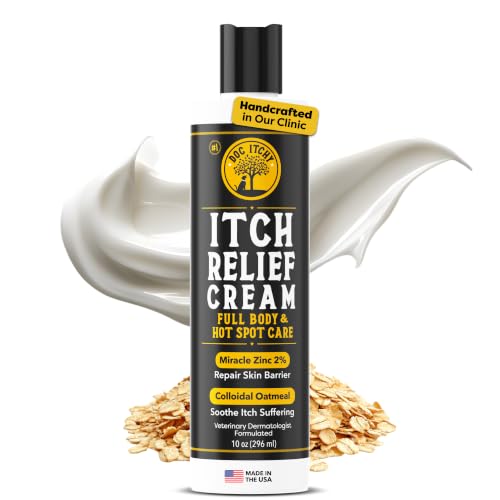
Doc Itchy Itch Relief Cream
What We Like
- Lick-safe formula for worry-free application
- Colloidal oatmeal calms inflamed skin
- Zinc supports healing of rashes and hot spots
- Works as both spot cream and full-body lotion
Trade-offs
- Requires consistent use over 1-2 weeks for results
- Full-body application needs rinsing after use
A 10-ounce tub of cream that’s safe if your dog licks it off, that’s the headline here. The colloidal oatmeal and zinc combo tackles redness and hot spots directly, while the formula doubles as a lightweight lotion for full-body coverage. It’s built for dogs who treat any topical like a gourmet snack, and for owners who just want to apply something and walk away.
Patience is the main requirement here. The directions call for repeating every 3-7 days as a body cream, or every 12-24 hours on hot spots, with visible changes taking up to two weeks. That’s a slower timeline than some hydrocortisone-based products, but if your dog licks everything off and you want a formula that’s safe if licked, Doc Itchy’s gentle approach makes the wait worth it.
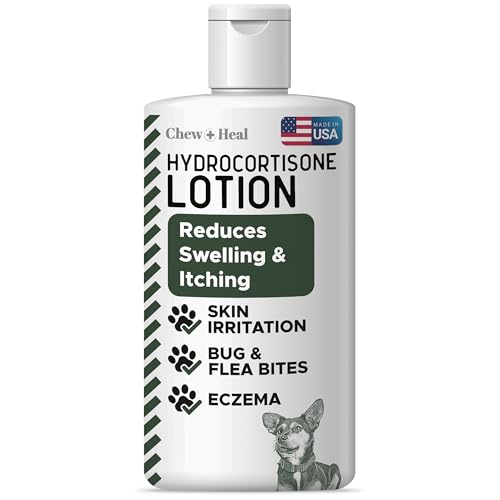
Chew + Heal Labs Hydrocortisone Lotion
What We Like
- Precise lotion application avoids overspray
- Calms immune response to reduce swelling
- Soothes bug bites and small rashes
- Made in USA with quality ingredients
Trade-offs
- Requires pre-bathing and drying before use
- Not labeled for use on cats
Precise application without overspray lets you target a hot spot near your dog’s eye or a rash behind an ear without soaking healthy fur. The 4-ounce bottle delivers hydrocortisone lotion exactly where you need it, calming the immune response to reduce swelling and itching. That helps break the scratch-itch cycle so the skin can recover. Owners who have fought with spray cans that treat the carpet instead of the dog will appreciate this no-mess option for bug bites, small rashes, or moist eczema.
Chew + Heal Labs Hydrocortisone Lotion requires pre-bathing your pet with a mild shampoo and drying them thoroughly before applying. That extra prep is worth it if your dog has sensitive skin that reacts to getting soaked in spray, or if you need to keep the treatment confined to a small area. But if your dog hates bath time or you need a quick fix for a sudden flare-up, the lotion’s routine might feel like a chore. It’s a deliberate, methodical tool for deliberate, methodical owners.
Product photos
Forticept Blue Butter Hot Spot Treatment

What We Like
- Starts working after first application
- Disinfects wounds and promotes healing
- Pleasant thyme scent with anti-inflammatory properties
- Blue color helps visualize coverage area
Trade-offs
- Requires preventing licking for best results
- Jar packaging without a box
The trade-off is the staining risk on light-colored fur, so if your dog is a white or cream-coated breed, you’ll want to be careful where you put it.
Product photos
Silver Honey Hot Spot Spray Gel

What We Like
- Touch-free spray for sensitive areas
- Contains Manuka Honey and MicroSilver BG
- Works on all animal species
- Antibiotic-free formula
Trade-offs
- No hydrocortisone for severe inflammation
An 8-ounce spray gel that lets you treat hot spots without touching the sore skin, a real advantage when your dog flinches at the slightest contact. The formula combines Manuka Honey with MicroSilver BG, and it’s antibiotic-free, so you’re not adding unnecessary meds to a minor rash. This is the pick for dogs who hate having their wounds handled, or for reaching large patches of irritated skin in one pass.
The most important thing to know is that this spray gel treats hot spots, wounds, cuts, rashes, paw irritations, chapped skin, dry spots, itchy skin, and bug bites without antibiotics. Unlike the Zymox Veterinarian Strength Topical Cream, there’s no hydrocortisone here, so if your dog’s hot spot comes with serious swelling or relentless itching, you might need something with a steroid. For everyday rashes, bug bites, and dry spots where the main challenge is getting the stuff on without a fight, this touch-free bottle solves the real problem.
Sulfodene Hot Spot Medicated Spray

What We Like
- Moisturizing aloe vera conditions coat
- Spray application for easy treatment
- Medicated formula for itch relief
Trade-offs
- Lacks hydrocortisone for stronger inflammation control
- Spray can sting on open, raw hot spots.
The Sulfodene Hot Spot Medicated Spray uses aloe vera to deliver moisturizing relief directly to irritated skin, which makes it a practical choice for hot spots, scrapes, and abrasions. The spray format lets you cover affected areas without touching the sore spot, and the 8-ounce bottle gives you enough volume for multiple applications over a few days. This product is designed to soothe itching and irritation while conditioning the coat, especially for dogs that tolerate a spray application well.
For everyday dry, itchy patches where moisture is the main missing piece, Sulfodene’s spray does exactly what it says on the label, no more, no less. A spray can run off or miss the mark on thick-coated or hard-to-reach spots. Unlike the Zymox Veterinarian Strength Topical Cream, this formula doesn’t include hydrocortisone for tackling more inflamed or swollen hot spots. If your dog’s rash is weepy or intensely red, the cream-based option may give faster anti-inflammatory action.
Product photos
How We Evaluated Creams For Dog Rash
Our evaluation started with the active ingredients and their intended targets. We compared formulas that use hydrocortisone for inflammation, lidocaine for pain, enzyme systems for yeast and fungal infections, and hypochlorous acid for non-toxic disinfection. Each product was assessed against the specific skin conditions it claims to treat.
We focused on three main criteria: safety if licked (a non-negotiable for most dog owners), ease of application on furry or sensitive areas, and whether the formula targets the right root cause. A cream that works brilliantly on a contact rash may do nothing for a yeast infection, and a strong steroid cream can delay healing on an open wound.
A research-led evaluation has limits. Our rankings reflect what the specifications and aggregated owner experiences suggest about each product’s likely performance for its intended use case.
What To Look For In Creams For Dog Rash
Choosing the right rash treatment starts with identifying what you’re dealing with. A dry, itchy patch needs different ingredients than a moist, smelly hot spot.
Match the active ingredient to the rash type: hydrocortisone for inflammation, enzymes for yeast, lidocaine for pain, and hypochlorous acid for general disinfection. Prioritize lick-safe formulas and consider application method based on the rash location.
Active Ingredient vs. Rash Type
The most important decision is matching the active ingredient to the problem. Hydrocortisone reduces inflammation and itching but should not be used on deep wounds or infections without veterinary guidance. Enzyme-based systems like the LP3 formula in Zymox products target yeast and bacteria, making them a strong choice for weepy or smelly rashes. Lidocaine provides pain relief but some dogs dislike the sensation. For owners seeking a steroid-free option, hypochlorous acid technology (used in Vetericyn products) offers broad-spectrum disinfection without side effects.
Application Method and Coverage
Where the rash is located determines whether a cream, lotion, or spray makes more sense. Creams work well on small, localized spots like a paw or face fold but get messy on large hairy areas. Sprays cover more surface area quickly and work well for body-wide rashes, but they can overspray onto furniture or into your dog’s eyes.
Lotions offer a middle ground with more control than a spray but less mess than a cream. For dogs that hate being touched on a sore spot, a touch-free spray gel like the Silver Honey option may be the least stressful choice.
Safety and Lick Prevention
Dogs lick their skin, and some rash treatments contain ingredients that are unsafe if ingested. A lick-safe formula is the safest bet for most owners, especially for rashes on the paws or face where a cone is impractical. Even with lick-safe products, some dogs will lick enough to remove the treatment before it works. Products that work without pre-cleaning save time and reduce handling of a painful area.
- Check whether the formula is labeled as safe if licked before applying to an accessible area.
- Consider whether your dog tolerates a cone or recovery suit for treatments that require drying time.
- Look for products that do not require pre-bathing if your dog is sensitive to handling.
- Match the bottle size to the size of the area you need to treat, small 2-3 oz bottles go fast on a large rash.
- Avoid hydrocortisone on open wounds or raw skin unless your veterinarian approves.
A single product rarely solves every skin issue. Keep one anti-itch spray and one medicated cream in your pet first-aid kit so you can match the treatment to the rash.
Creams For Dog Rash Compared
The table below compares all ten products side by side, highlighting their key strengths and the best use case for each.
| Product | Form | Active Ingredient / Technology | Size |
|---|---|---|---|
| Zymox Veterinarian Strength Topical Cream | Cream | 1% Hydrocortisone | 1 oz |
| Vetericyn Plus Hot Spot Spray | Spray | Hypochlorous | 8 oz |
| TropiClean HomeVet Medicated Cream | Cream | Hydrocortisone and Lidocaine | 1 oz |
| Zymox Topical Hot Spot Spray | Spray | 1% Hydrocortisone | 2 oz |
| Vetericyn Plus Dog Hot Spot Gel | Spray-on gel | Hypochlorous | 3 oz |
| Doc Itchy Itch Relief Cream | Cream or lotion | Colloidal Oatmeal & Zinc | 10 oz |
| Chew + Heal Labs Hydrocortisone Lotion | Lotion | Hydrocortisone | 4 fl oz |
| Forticept Blue Butter Hot Spot Treatment | Gel | Thyme oil | 4 oz |
| Silver Honey Hot Spot Spray Gel | Spray gel | Manuka Honey, MicroSilver BG | 8 fl oz |
| Sulfodene Hot Spot Medicated Spray | Medicated spray | Aloe vera | 8 oz |
Frequently Asked Questions
What is the best cream for dog rash with hydrocortisone?
The Zymox Veterinarian Strength Topical Cream contains 1% hydrocortisone in a formula that requires no pre-cleaning and is safe if licked. It works well on localized rashes on the face, paws, and body folds where a gentle, no-prep application matters.
Can I use human hydrocortisone cream on my dog?
Human hydrocortisone creams are not formulated for the pH of dog skin and may contain additives that are unsafe if licked. Stick to a vet-approved hydrocortisone product designed for canine use, which accounts for differences in skin absorption and lick-safety.
What works best for hot spots on dogs?
A hot spot treatment that combines an enzyme system with hydrocortisone, like the Zymox Topical Hot Spot Spray, targets both the infection and the inflammation. For severe pain, the TropiClean HomeVet Medicated Cream adds lidocaine for immediate relief.
How do I treat a rash on my dog’s belly?
Belly rashes often come from contact allergies or environmental irritants. A lick-safe spray like the Vetericyn Plus Hot Spot Spray covers the area quickly without touching the sore skin. If the rash is dry and flaky, a dog lotion with colloidal oatmeal can soothe the area over time.
Is it safe to use antifungal cream on my dog’s rash?
Antifungal treatments are appropriate when the rash is caused by yeast, which often presents as greasy, smelly, or darkly pigmented skin. The Zymox Topical Hot Spot Spray includes an LP3 Enzyme System that fights fungi and yeast, making it a better choice than a plain antifungal cream for mixed-cause rashes.
The Bottom Line
The Zymox Veterinarian Strength Topical Cream is the best overall choice for most dog owners. It combines effective inflammation control with a no-prep, lick-safe formula that works on the sensitive spots where rashes often appear. It is especially well suited for localized rashes on the face, paws, and body folds where a gentler application matters.
If your dog is dealing with a painful hot spot that needs immediate relief, the TropiClean HomeVet Medicated Cream adds lidocaine to the mix for dual-action pain and itch control. For owners who prefer a non-toxic, steroid-free option, the Vetericyn Plus Hot Spot Gel or Spray offers a veterinarian-recommended alternative that is safe even on open skin.
The single most important factor in treating a dog rash is matching the active ingredient to the actual cause. A hydrocortisone cream will not fix a yeast infection, and an antifungal spray will not relieve contact dermatitis. Take a moment to identify what kind of rash you are dealing with before reaching for a tube.
