
5 Best Dog Food For Underweight Dogs in 2026
This post contains affiliate links. As an Amazon Associate, we earn from qualifying purchases.
For underweight dogs that need to pack on pounds, Best Breed Dr. Gary’s Working Dog Diet Dry Dog Food earns the Best Overall spot because it delivers 580 calories per cup with clean, slow-cooked ingredients that are gentle on digestion. We also highlight Evanger’s Heritage Classic Puppy Food Wet Dog Food as the Best For Puppies And Underweight Dogs and VICTOR Bully Fuel Dry Dog Food for lean muscle gain.
Seeing your dog’s ribs or hip bones is unsettling. The real challenge is finding food that delivers enough calories without upsetting a sensitive stomach or relying on cheap fillers. Some dogs simply need more energy density per bite, while others need a different texture to spark their appetite.
This guide is research-based, drawing on manufacturer specifications, expert round-ups, and patterns in owner feedback. We evaluated five top contenders across calorie density, ingredient quality, digestibility, and format flexibility so you can choose with confidence.
Top 5 Dog Foods For Underweight Dogs in the Market

Certain content that appears on this site comes from Amazon. This content is provided "as is" and is subject to change or removal at any time.
The Best Dog Foods For Underweight Dogs, Reviewed
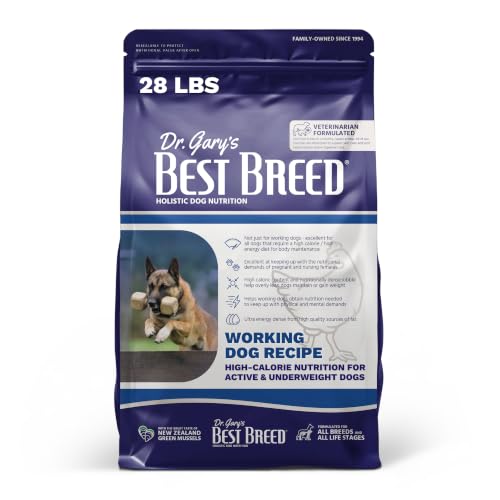
Best Breed Dr. Gary's Working Dog Diet Dry Dog Food
What We Like
- 580 calories per cup for weight gain
- Slow-cooked for easy digestion
- Non-GMO, pea-free, no corn/wheat/soy
- Formulated for all life stages
Trade-offs
- 28 lb bag is heavy for small households
- High fat content unsuitable for sedentary dogs
With 580 calories per cup, this kibble packs more energy per bite than most dry foods on the shelf, which matters when your dog needs to gain weight without eating a mountain of food. Developed by a veterinarian alongside Schutzhund club members, the formula uses chicken and eggs as premium protein sources and relies on a slow-cooking process that makes the kibble easier to digest. For owners of underweight dogs, pregnant or nursing females, or hard-working breeds that burn through calories, this is the kind of straightforward, high-density nutrition that gets results without guesswork.
The trade-off is that those extra calories come from a deliberately high fat content, which works great for active dogs but less so for a couch potato who just needs to fill out. If your dog is truly underweight and needs a dependable, calorie-dense base diet, this food delivers exactly what the label promises.
Evanger's Heritage Classic Puppy Food Wet Dog Food
What We Like
- Omega fatty acids from sardines
- Made in USA from fresh ingredients
- Added vitamins and chelated minerals
Trade-offs
- Wet food only, no dry option for grazing
- Not suitable for dogs with grain allergies despite being grain-free
Because this is a wet-only canned food, owners who prefer to leave dry kibble out for free-feeding will need to adjust their routine. Compared to a dry option like Best Breed Dr. Gary’s Working Dog Diet (a 28-pound bag), Evanger’s requires portioning at each meal and won’t sit out all day. For a puppy that needs focused nutritional support during early development, the clean ingredient list and added vitamins make that extra effort worthwhile.
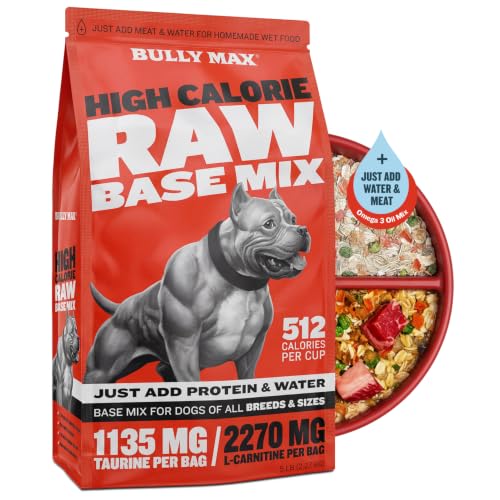
Bully Max High Calorie Dehydrated Raw Base Mix Dog Food
What We Like
- Add raw or cooked meat and warm water
Trade-offs
- Requires adding your own protein source
- Dehydrated base needs warm water prep
It suits owners who want a high-calorie foundation for an underweight dog but prefer to choose their own meat rather than accept a fixed recipe.
The trade-off is that this is a base, not a complete meal straight from the bag. You have to source and prepare meat separately, which adds time and planning compared to a bag of dry kibble that you can scoop and serve. That extra step buys you flexibility, beef, chicken, fish, lamb, whatever your dog tolerates or needs, but if you want a one-and-done solution, the Bully Max requires more hands-on work. For someone who already handles raw or cooked feeding and wants a calorie-dense anchor, it fills that gap neatly.
Product photos
VICTOR Bully Fuel Dry Dog Food

What We Like
- Real beef is the first ingredient
- High-calorie formula supports nutrient density
- Glucosamine and chondroitin for joint health
- Omega 3 and 6 for skin and coat
Trade-offs
- Dry kibble only, no wet food option available
- No wet food option for dogs that prefer soft textures
Real beef as the first ingredient means this food is built around a high-quality protein source that directly supports lean muscle development. The high-calorie formula packs more energy per bite, which helps underweight dogs add mass without needing to eat enormous portions. Glucosamine and chondroitin are included to protect joints as the dog gains weight and becomes more active, so you are not just filling the bowl but also supporting the frame that carries that new muscle. This makes it a strong fit for owners who want to see their dog fill out with solid tissue rather than just fat.
Real beef is the first ingredient, so your dog gets a high-quality protein source that directly supports lean muscle growth. This formula packs extra calories per cup compared to standard kibble, which helps active or underweight dogs maintain energy without needing to eat huge portions. With natural glucosamine and chondroitin added, it also supports joint health, a practical benefit for breeds prone to hip or elbow issues.
Product photos
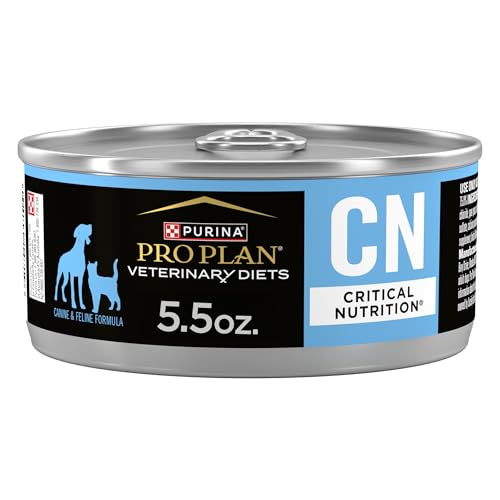
Purina Pro Plan Veterinary Diets CN Wet Dog Food
What We Like
- Energy-dense for needed calories
- Smooth consistency for syringe feeding
- High fat for energy density
- Protein supports tissue repair
Trade-offs
- Wet food format less convenient for free-feeding
- Canned only, no dry option for mixing
This wet food is energy-dense, meaning it packs more calories per ounce than many standard formulas, so a small amount can help meet a pet’s needs when appetite is low. The smooth consistency is designed for syringe or tube feeding, making it practical for animals that cannot eat on their own. The high fat content contributes to that energy density, and the formula is highly digestible to support nutrient absorption. It is a targeted nutritional tool for veterinary use, not an everyday maintenance food.
Wet food in cans requires refrigeration after opening and has a shorter shelf life once exposed to air, so it is less convenient for owners who want to leave food out for grazing. A dry kibble like VICTOR Bully Fuel can be left in a bowl for longer periods without spoiling, which may suit different feeding routines. However, when a pet needs a calorie-dense, easily digestible option that can be fed via syringe or tube, this format provides that capability.
Product photos
How We Evaluated Dog Foods For Underweight Dogs
We started by examining the calorie-per-cup and calorie-per-ounce figures from each manufacturer’s guaranteed analysis and feeding guidelines. For underweight dogs, calorie density is the single most important number, a food that requires large portions to meet energy needs can overwhelm a small stomach.
Next we looked at ingredient lists for digestibility and nutrient sources. We prioritized foods with named animal proteins as first ingredients and avoided formulas heavy on corn, wheat, or soy fillers that provide empty calories. For dogs with compromised digestion, we gave extra weight to slow-cooked or limited-ingredient recipes.
Finally we considered format, dry kibble, wet food, and dehydrated base mixes each serve different situations. A wet food can entice a picky eater, while a dry kibble works better for free-feeding throughout the day. We balanced these factors against real-world owner reports of weight gain results and palatability.
This evaluation is based on specs and expert consensus. You know your dog’s health history best, always consult your vet before making a major diet change, especially for underweight dogs with underlying medical conditions.
What To Look For In Dog Foods For Underweight Dogs
Not all high-calorie dog food is created equal. The right choice depends on your dog’s age, activity level, and digestive tolerance.
Choose a food with a high calorie count per cup for efficient weight gain. Look for named animal protein as the first ingredient and avoid corn, wheat, and soy fillers that add bulk without nutritional value.
Calorie Density And Fat Content
The most straightforward way to help a dog gain weight is to feed a calorie-dense formula. Look for foods that deliver a high number of calories per cup, this allows your dog to eat a normal volume while taking in significantly more energy. Fat is the most concentrated calorie source, so formulas with a high crude fat percentage are common in weight-gain diets. However, high-fat foods are not suitable for sedentary dogs or those with pancreatitis, so match the fat level to your dog’s activity.
Protein Quality For Lean Mass
Weight gain should be muscle, not just fat. The best food for gaining weight uses high-quality animal protein, chicken, beef, lamb, or fish, as the primary ingredient. This supports tissue repair and lean muscle development. Avoid foods where the first ingredient is a grain or “meat meal” from an unnamed source. For dogs that need to gain weight and muscle simultaneously, look for a high protein level on a dry matter basis.
Digestibility And Ingredient Sensitivity
An underweight dog with a sensitive stomach won’t benefit from calories they can’t absorb. Slow-cooked or gently processed foods are often easier to digest than high-pressure extruded kibble. Grain-free options can help some dogs, but grain-free does not automatically mean digestible, pea and legume content can cause issues for certain dogs. If your dog has a known sensitivity, consider a limited-ingredient diet or a wet food that provides hydration alongside calories.
- Check the feeding guide: Can your dog eat the recommended daily portion in 2-3 meals without feeling overfull?
- Verify the calorie count per cup or can, not all “high-protein” foods are actually high-calorie.
- Look for added vitamins and chelated minerals, which are more easily absorbed.
- Consider your dog’s texture preference: wet food often entices picky eaters, while dry food allows for free-feeding.
A good rule of thumb: aim for a food where one cup provides a significant portion of your dog’s daily caloric needs based on their target weight.
Dog Foods For Underweight Dogs Compared
The table below compares the five dog foods for underweight dogs across the criteria that matter most for healthy weight gain.
| Product | Protein Source | Food Form | Key Feature |
|---|---|---|---|
| Best Breed Dr. Gary's Working Dog Diet Dry Dog Food | Chicken and eggs | Dry | High fat, moderate protein |
| Evanger's Heritage Classic Puppy Food Wet Dog Food | Meat, sardines | Wet Canned | Grain & Gluten Free |
| Bully Max High Calorie Dehydrated Raw Base Mix Dog Food | N/A | Dehydrated Raw Base Mix | Add water & meat |
| VICTOR Bully Fuel Dry Dog Food | Real Beef | Dry | High-Calorie Formula |
| Purina Pro Plan Veterinary Diets CN Wet Dog Food | N/A | Wet | Energy-dense |
Frequently Asked Questions
How do I know if my dog is underweight?
You should be able to feel your dog’s ribs with light pressure, like the back of your hand, but not see them. If ribs, hip bones, or spine are visibly prominent, your dog is likely underweight. A vet can confirm with a Body Condition Score (BCS) on a scale.
What is the fastest way to help an underweight dog gain weight?
Feed a calorie-dense food with a high number of calories per cup in small, frequent meals throughout the day. Adding a high-calorie food topper or supplement can boost calories without increasing volume. Always rule out medical causes like parasites or thyroid issues with your vet first.
Can I mix wet and dry dog food for weight gain?
Yes. Mixing wet food for weight gain with dry kibble can increase palatability and total calorie intake. Wet food also adds moisture, which helps digestion. Just adjust portions to avoid overfeeding fat or protein.
Is high-protein dog food safe for underweight puppies?
Yes, puppies need more protein and fat than adult dogs for growth. A food formulated for all life stages, like Best Breed Dr. Gary’s Working Dog Diet, works well. For very young puppies, a puppy-specific wet food like Evanger’s Heritage Classic provides the right nutrient ratios.
What should I do if my underweight dog won’t eat?
Try warming the food slightly to release aroma, switching to a wet or raw-based format, or adding a high-calorie topper. If your dog refuses food for more than 24 hours, consult a vet to rule out dental pain, illness, or gastrointestinal issues.
The Bottom Line
For most underweight dogs, Best Breed Dr. Gary’s Working Dog Diet Dry Dog Food is the most efficient option, 580 calories per cup in a slow-cooked, clean-ingredient formula that works for all life stages. It is especially well-suited for working dogs, pregnant dogs, or any dog that needs serious calorie density without fillers.
If you are feeding a puppy or a dog that prefers soft textures, Evanger’s Heritage Classic Puppy Food Wet Dog Food offers a grain-free, nutrient-dense wet option with omega fatty acids from sardines. For owners who already prepare fresh meat separately, Bully Max High Calorie Dehydrated Raw Base Mix provides a flexible, high-calorie foundation.
The single most important factor in helping an underweight dog gain weight is calorie density per bite. Choose a food that delivers maximum energy in a volume your dog can comfortably eat, and always involve your vet to rule out underlying health issues.
