
7 Best Dog Food For Dogs With Colitis in 2026
This post contains affiliate links. As an Amazon Associate, we earn from qualifying purchases.
The Hill’s Prescription Diet GI Biome Dry Dog Food is the best overall choice for dogs with colitis, firming loose stool within 24 hours while supporting the gut microbiome with its ActivBiome+ technology. For dogs needing a low-fat wet food, the Hill’s Prescription Diet i/d Low Fat Wet option leads, while the Royal Canin Veterinary Hydrolyzed HP Dry Food excels for pups with suspected food sensitivities.
Colitis in dogs means chronic inflammation of the colon, leading to loose, frequent, or urgent stools. The right diet must be highly digestible, gentle on the gut lining, and often low in fat to reduce digestive stress. Owners also need to consider whether their dog does better on dry kibble, wet food, or a combination.
This guide is based on veterinary diet specifications, manufacturer nutritional data, and patterns in owner feedback for seven prescription foods. We focused on the formulations that address the specific needs of colitis, fiber balance, fat content, protein source, and digestibility.
Top 7 Dog Foods For Dogs With Colitis in the Market


Certain content that appears on this site comes from Amazon. This content is provided "as is" and is subject to change or removal at any time.
The Best Dog Foods For Dogs With Colitis, Reviewed
Hill's Prescription Diet GI Biome Dry Dog Food

What We Like
- Clinically firms loose stool in 24 hours
- ActivBiome+ technology supports gut microbiome
- Unique prebiotic fiber blend for regularity
- High omega-3s for digestive health
Trade-offs
- Veterinary prescription required, not over-the-counter
- Chicken recipe excludes dogs with chicken sensitivity
A 24-hour timeline to firm up loose stool is the kind of concrete result that matters most when your dog’s colitis has you cleaning up accidents at 2 a.m. Hill’s Prescription Diet GI Biome Dry Dog Food uses proprietary ActivBiome+ technology to rapidly activate beneficial gut bacteria, backed by a clinically shown reduction in recurrence risk. The unique blend of prebiotic fibers and high omega-3 fatty acids (DHA and EPA) targets the underlying microbiome imbalance, not just the symptoms. This makes it the best overall choice for owners who need a reliable, science-driven solution that works fast and keeps working, especially when your vet has already recommended a therapeutic diet.
This is a prescription-only dry kibble, so you’ll need a vet’s approval before buying. Compared to the Royal Canin Veterinary Hydrolyzed HP Dry Dog Food, which uses hydrolyzed protein for dogs with food sensitivities, Hill’s GI Biome focuses more on fiber and microbiome support than on eliminating specific protein triggers. If your dog has both colitis and a known chicken sensitivity, that chicken base could be a problem. But for most dogs with colitis who tolerate chicken, the fast stool-firming and targeted prebiotic blend make this the most straightforward path to digestive stability.
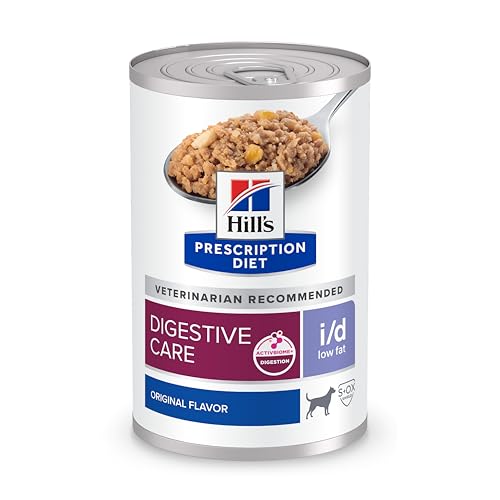
Hill's Prescription Diet i/d Low Fat Wet Dog Food
What We Like
- Low fat formula for sensitive digestion
- ActivBiome+ technology supports gut microbiome
- Prebiotic fibers promote regular bowel movements
- Omega-3 fatty acids included
Trade-offs
- Requires veterinary prescription to purchase
- Wet food only, no dry option for mixing
The #1 Veterinarian Recommended brand formulated this low fat wet food with ActivBiome+ ingredient technology, which rapidly activates beneficial gut bacteria to support a healthy GI microbiome balance. A unique blend of prebiotic fibers promotes regular bowel movements and helps balance digestive function, while omega-3 fatty acids and highly digestible protein support nutrient absorption and lower blood fat levels. Owners looking for a vet-designed canned food to settle digestive upsets will find this formula addresses those needs directly.
The trade-off here is that this is a wet food only, so if your dog needs a dry option for texture or variety, you will have to pair this with a separate dry food. For dogs with digestive issues, the low fat formula and prebiotic fibers help promote regular bowel movements and balance digestive function. This is best suited for owners who want a targeted, vet-formulated wet food that prioritizes digestive care without extra fat.
Royal Canin Veterinary Gastrointestinal Low Fat Wet Dog Food
What We Like
- Low fat supports fat digestion issues
- Prebiotics feed healthy gut bacteria
- Fiber blend improves stool quality
- Highly flavorful pate appeals to picky dogs
Trade-offs
- Requires veterinary authorization to purchase
- Wet food only; no dry kibble in this can
A low-fat wet pate designed specifically for dogs with fat digestion difficulty, this Royal Canin formula targets the core dietary trigger for many digestive issues. The prebiotics help maintain healthy gut bacteria, while the fiber blend supports stool quality, two concrete features that matter when your dog’s digestive system is already stressed. It’s a veterinary-exclusive product, so the formulation is developed by veterinarians, and the highly flavorful texture helps ensure even a picky eater with a sore gut will actually eat it. For owners managing digestive concerns through a low-fat diet, this wet food delivers targeted support without extra ingredients that might complicate things.
The downside is that this is a wet food only, so you won’t get the convenience of a dry kibble mixed in unless you buy the companion dry formula separately. Compared to Hill’s Prescription Diet i/d Low Fat Wet Dog Food, both are veterinary-exclusive low-fat wet options, but Royal Canin’s explicit prebiotic and fiber blend gives it an edge for owners focused on stool quality and gut microbiome support. The need for a veterinary authorization is a small hurdle, but it also ensures you’re using a diet matched to a professional diagnosis rather than guessing at the store. If your dog’s digestive issues are specifically tied to fat intolerance, this is a direct wet-food solution available.
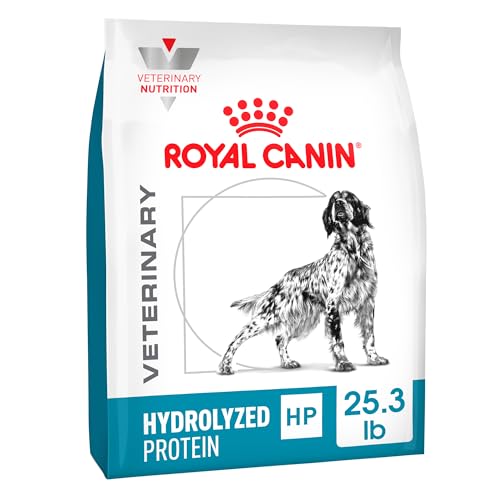
Royal Canin Veterinary Hydrolyzed HP Dry Dog Food
What We Like
- Hydrolyzed protein for food sensitivities
- Supports digestive health and flora
- Enriched with EPA and DHA
- Supports skin barrier function
Trade-offs
- Veterinary-exclusive formula requires vet authorization
The hydrolyzed soy protein in this formula is broken into low molecular weight peptides, making it highly digestible and designed to support both gastrointestinal and dermatological health in adult dogs with food sensitivities. The added EPA and DHA fatty acids help maintain healthy skin and digestion, while the formula also supports the skin’s natural protective barrier and helps regulate intestinal transit for balanced digestive flora. This dry food is a veterinary-exclusive option for owners working with their vet to address food sensitivities.
You need a vet’s authorization to buy this food, so it’s not something you can grab on a whim. That prescription requirement means a trip to the clinic before you start, but it also ensures the diet is used under professional supervision. While Hill’s Prescription Diet GI Biome is another digestive-care option, this Royal Canin formula relies on hydrolyzed soy protein instead, targeting dogs whose skin or gut issues stem from protein sensitivity rather than fiber imbalance.
Product photos
Purina Pro Plan Vet Diets EN Gastroenteric Wet Dog Food
What We Like
- High total digestibility for nutrient absorption
- Prebiotic fiber supports GI microbiome balance
- MCT oil provides easily absorbed fat source
- Antioxidants included for immune support
Trade-offs
- Wet food has shorter shelf life once opened
- Cans are heavy for storage compared to dry food
A 13.4-ounce can of wet food with high total digestibility means this formula is designed to let a sensitive GI tract pull in nutrients without the extra work. The prebiotic fiber helps nourish a healthy GI tract, and the medium-chain triglycerides from vegetable or coconut oil give a fat source that’s easier to break down than longer-chain fats. For a dog with digestive sensitivity, this wet food provides easily absorbed nutrition.
You face the same issue with any canned food: once you pop the lid, you’re on the clock. An opened can needs refrigeration and should be used within a couple of days, which can be wasteful if your dog eats small meals. For general digestive support with easy digestion, this formula offers a practical choice.
Product photos
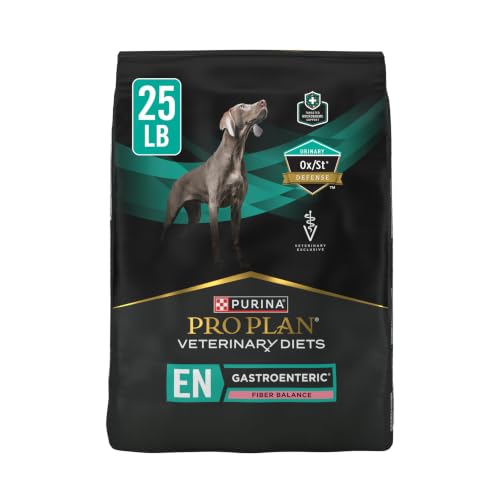
Pro Plan EN Fiber Balance Dry Dog Food
What We Like
- Blend of soluble and insoluble fibers
- Select prebiotic fiber supports GI microbiome balance
- Complex carbohydrates moderate glucose absorption
- Moderate calories and fat for weight management
Trade-offs
- Veterinary diet requires professional guidance
- Not suitable for dogs needing low-fiber or low-residue food
The real draw here is the unique blend of soluble and insoluble fibers, which works two ways at once. The insoluble fiber adds bulk to help move waste through the intestines, while the soluble prebiotic fiber feeds beneficial gut bacteria to keep the microbiome stable. That dual-action approach matters because a sluggish gut and an unbalanced microbiome often go hand in hand. The complex carbohydrates in this kibble also slow glucose absorption, which can help dogs that need steadier blood sugar levels. Owners looking for a dry food that directly targets fiber balance and digestive health will find this formula hits those marks.
This is a dry kibble, so if your dog refuses dry food during flare-ups or needs extra hydration, you will be looking at a wet option instead. Compared to Hill’s Prescription Diet GI Biome, which also targets digestive health, Pro Plan EN Fiber Balance offers a unique blend of soluble and insoluble fibers. Neither is wrong, but if your dog prefers wet food, the Hill’s wet alternative might be easier to work with. For a straightforward, fiber-focused dry food, this is a practical choice.
Product photos
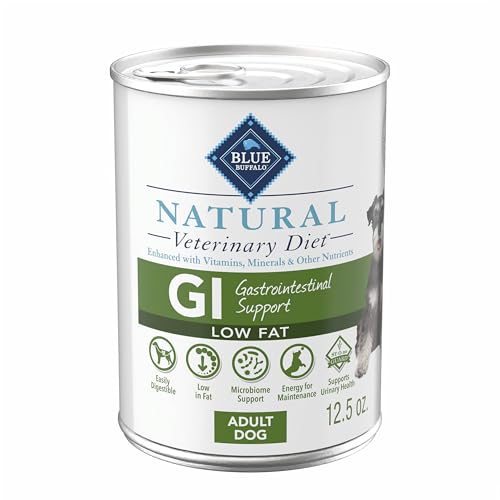
Blue Buffalo GI Support Wet Dog Food
What We Like
- Real whitefish is first ingredient
- Low fat for fat digestion issues
- Prebiotic fibers support GI microflora
- No corn, wheat, or soy
Trade-offs
- Veterinary prescription required to purchase
- Chicken recipe despite whitefish as main protein
Low in fat, this wet food is formulated for dogs who may have difficulty digesting fat, so it’s a practical choice for owners managing that specific dietary need. The prebiotic fibers help balance and support healthy GI microflora, which can make a real difference for a sensitive digestive system. Real whitefish is the first ingredient, keeping the protein source simple, and the formula contains no corn, wheat, or soy, removing common dietary triggers. It’s a gentle, low-fat option designed to be both nutritious and palatable.
Because this is a prescription diet, you cannot grab a case on a whim, you will need a vet’s okay first. That barrier is common among gastrointestinal foods, but it does mean a trip to the clinic before you can try it. Compared to the Hill’s i/d Low Fat Wet Dog Food, which also targets fat digestion, the Blue Buffalo leans on whitefish rather than chicken, which can be a plus for dogs with poultry sensitivities. If your dog handles chicken fine, the Hill’s option is equally worth a look; if whitefish is a safer bet, this one wins.
Product photos
How We Evaluated Dog Foods For Dogs With Colitis
Our research began with the nutritional specifications and feeding guidelines provided by each manufacturer for their veterinary-exclusive formulas. We compared guaranteed analyses, ingredient lists, and the specific therapeutic claims tied to each diet’s formulation.
The four criteria that mattered most were fat content, fiber profile, protein source, and digestibility. Low fat reduces pancreatic and GI stress. The balance of soluble versus insoluble fibers affects stool firmness. Hydrolyzed or novel proteins help rule out food sensitivities. Highly digestible ingredients mean less work for an inflamed colon. We also considered practical factors like wet versus dry format and whether a food pairs well with other medications.
This is a research-led evaluation based on published data and reported outcomes, not a feeding trial. No product here was tested in our own kitchen or kennel. We rely on the expertise of veterinary nutritionists who developed these diets and the collective experience of owners managing colitis in their dogs.
What To Look For In Dog Foods For Dogs With Colitis
Choosing a food for a dog with colitis means looking past generic “sensitive stomach” labels and into specific nutritional profiles that support colon healing and stool quality.
Look for a veterinary therapeutic diet with low to moderate fat, a balanced fiber profile (soluble and insoluble), and a highly digestible protein source. Avoid foods with artificial additives or high-residue ingredients.
Fat Content
Dogs with colitis often struggle to digest fat, which can trigger loose stools or pancreatitis episodes. Most veterinary gastrointestinal diets keep fat at a low level. The Hill’s i/d Low Fat and Royal Canin Gastrointestinal Low Fat formulations are specifically designed for fat-sensitive dogs, using restricted fat levels while still providing essential fatty acids like omega-3s for reducing intestinal inflammation.
Fiber Profile
Fiber is a double-edged sword for colitis. Soluble fiber (like beet pulp or inulin) absorbs water and helps firm stool, while insoluble fiber adds bulk that can irritate an already inflamed colon. The Pro Plan EN Fiber Balance formula uses a precise blend of both types to normalize transit time. Some dogs need more soluble fiber during flare-ups and less during maintenance, a food with a moderate total fiber content (3-6%) gives more flexibility.
Protein Source and Digestibility
Many dogs with colitis have concurrent food intolerances. Hydrolyzed protein diets, like the Royal Canin Veterinary Hydrolyzed HP, break proteins into tiny fragments so the immune system doesn’t recognize them as allergens. For dogs without confirmed sensitivities, a single novel protein like whitefish (found in Blue Buffalo GI Support) or chicken (in Hill’s GI Biome) works well, provided the dog tolerates it. High digestibility ensures the small intestine absorbs nutrients before they reach the colon and cause irritation.
- Check the guaranteed analysis for crude fat, aim for under 12% for fat-sensitive dogs
- Look for named prebiotic fibers like inulin, beet pulp, or fructooligosaccharides
- Verify the food is complete and balanced for adult maintenance or all life stages
- Confirm your veterinarian approves the diet before purchasing, as all picks here require a prescription
A dog with active colitis needs a food that works with, not against, their medication, always coordinate diet changes with your vet.
Dog Foods For Dogs With Colitis Compared
The table below compares the seven veterinary diets we evaluated, highlighting their key features and best-use scenarios for dogs with colitis.
| Product | Product Form | Key Ingredient | Prebiotic Fibers |
|---|---|---|---|
| Hill's Prescription Diet GI Biome Dry Dog Food | Dry Dog Food | Chicken | Unique blend |
| Hill's Prescription Diet i/d Low Fat Wet Dog Food | Wet Dog Food | Chicken | Unique blend |
| Royal Canin Veterinary Gastrointestinal Low Fat Wet Dog Food | Wet Dog Food | N/A | Prebiotics, fiber blend |
| Royal Canin Veterinary Hydrolyzed HP Dry Dog Food | Dry Dog Food | Hydrolyzed soy protein | N/A |
| Purina Pro Plan Vet Diets EN Gastroenteric Wet Dog Food | Wet canned food | MCT oil, prebiotic fiber, antioxidants | Prebiotic fiber |
| Pro Plan EN Fiber Balance Dry Dog Food | Dry Dog Food | N/A | Select prebiotic fiber |
| Blue Buffalo GI Support Wet Dog Food | Wet Dog Food | Real Whitefish | Prebiotic Fibers |
Frequently Asked Questions
Can I feed my dog over-the-counter food for colitis?
Over-the-counter dog foods are not formulated to the strict nutritional standards required for managing colitis. Veterinary prescription diets use controlled fat levels, specific fiber blends, and highly digestible protein sources that are not available in retail foods. Always consult your veterinarian before switching to a therapeutic diet.
What is the difference between soluble and insoluble fiber for colitis?
Soluble fiber dissolves in water and forms a gel that helps firm loose stool by absorbing excess fluid in the colon. Insoluble fiber adds bulk and speeds transit time, which can worsen diarrhea during a colitis flare-up. The best foods for colitis contain a higher ratio of soluble to insoluble fiber.
How quickly should I see improvement after switching food?
Many veterinary gastrointestinal diets are designed to show visible improvement in stool quality within a day or two. Hill’s GI Biome, for example, is formulated to firm loose stool within 24 hours. Full resolution of colitis symptoms may take longer and depends on the underlying cause and any concurrent treatments.
Is wet food or dry food better for a dog with colitis?
Both formats have advantages. Wet food provides extra hydration, which can help dogs that are dehydrated from diarrhea, and is often easier to digest. Dry food is more convenient for storage and can help maintain dental health. Some dogs do best on a mix, a wet food for flare-ups and dry for maintenance, under veterinary guidance.
Can I switch between different veterinary gastrointestinal foods?
Switching between therapeutic diets should only be done under veterinary supervision, as each formula targets a different aspect of digestive health. A gradual transition over several days is recommended to minimize digestive upset. Our guide on how to switch dog food covers the proper transition method.
The Bottom Line
The Hill’s Prescription Diet GI Biome Dry Dog Food is our top pick for dogs with colitis. It combines fast-acting stool firming with long-term microbiome support. Dogs that need a low-fat wet food will do well with the Hill’s Prescription Diet i/d Low Fat Wet. Those with suspected food sensitivities are better served by the Royal Canin Veterinary Hydrolyzed HP Dry Food.
For owners managing a dog with chronic digestive issues, the single most important factor is working with your veterinarian to choose a diet that matches your dog’s specific fat tolerance, fiber needs, and protein sensitivities. No food works for every dog, but a veterinary therapeutic diet gives you the best shot at steady, comfortable digestion.
