
10 Best Dog Food For Allergic Dogs in 2026
This post contains affiliate links. As an Amazon Associate, we earn from qualifying purchases.
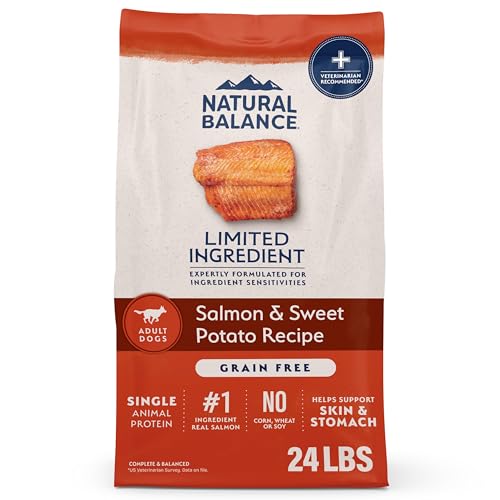
The best overall dog food for allergic dogs is Royal Canin HP Hypoallergenic Dry Dog Food, a veterinary-developed hydrolyzed formula that supports the skin barrier with EPA and DHA. For dogs with sensitive stomachs, Natural Balance Limited Ingredient Salmon & Sweet Potato offers a single-protein, grain-free option. Owners working through an elimination diet will find the Purina Pro Plan Veterinary Diets HA Hydrolyzed a suitable choice for strict protein restriction.
The real challenge with allergic dogs is identifying the trigger. Itching, ear infections, and loose stools can stem from common proteins like chicken or beef, but every dog responds differently. Finding a food that avoids the offender while still providing complete nutrition takes patience and the right ingredient strategy.
This guide is built from manufacturer specifications, veterinary nutrition guidelines, and patterns in owner-reported outcomes. We focus on hydrolyzed proteins, limited ingredients, and novel protein sources, the three most effective approaches for managing canine food allergies.
Top 10 Dog Foods For Allergic Dogs in the Market

Certain content that appears on this site comes from Amazon. This content is provided "as is" and is subject to change or removal at any time.
The Best Dog Foods For Allergic Dogs, Reviewed
Royal Canin HP Hypoallergenic Dry Dog Food
What We Like
- EPA + DHA support skin barrier
- Developed by veterinarians
- Hydrolyzed soy protein
Trade-offs
- 7.7 lb bag is small for large breeds
- Veterinary-exclusive requires vet approval
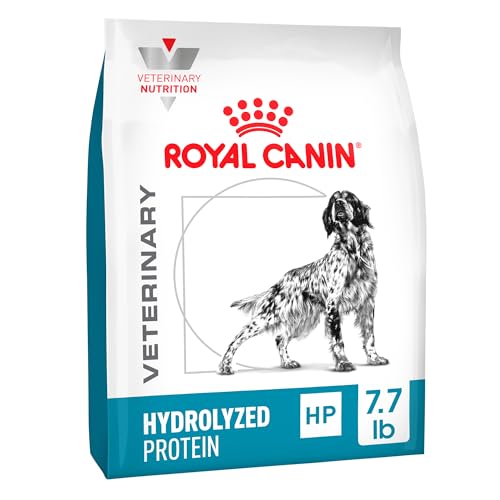
This is a veterinary-exclusive product, which means a trip to the vet for approval and a smaller bag size than the 24-pound bags you’ll see from Natural Balance or Blue Buffalo Basics. At 7.7 pounds, it’s fine for a small or medium dog but will disappear fast if you have a large breed. The hydrolyzed soy protein won’t work for every dog, some may need a different protein source entirely. Compared to the Natural Balance Salmon & Sweet Potato, which offers a straightforward single-protein approach at a larger volume, the Royal Canin is more of a precision tool for a specific diagnostic process rather than a daily maintenance food you can grab off the shelf.
Natural Balance Limited Ingredient Salmon & Sweet Potato
What We Like
- Single animal protein source (salmon)
- Grain-free for sensitive stomachs
- Includes skin and coat support
- Vet recommended formula
Trade-offs
- Only one protein option (salmon)
- Bag weighs 24 pounds, which can be hard to lift and store
A single animal protein from salmon means fewer ingredients for a dog’s digestive system to sort through, which directly supports sensitive stomachs. This grain-free recipe is built around easy digestion, so it suits dogs that struggle with bloating or loose stools after meals. The added skin and coat nourishment is a practical bonus for allergic dogs who often show symptoms through their fur and skin. It’s a straightforward, no-nonsense option for owners who want to simplify their dog’s diet without guessing what’s in the bowl.
The 24-pound bag is a heavy commitment, so you’ll want to make sure your dog tolerates salmon before buying. Unlike the Royal Canin HP Hypoallergenic option, which uses hydrolyzed protein, Natural Balance relies on a single animal protein source. That makes it a straightforward choice for dogs with mild sensitivities, but not a substitute for a hydrolyzed diet if your vet recommends one.
Victor Sensitive Skin & Stomach Salmon Dog Food
What We Like
- Salmon meal is first ingredient
- Gluten free and no chicken
- Fortified with prebiotics and probiotics
- Omega 3, 6 and Vitamin E for skin
Trade-offs
- Contains brown rice (not grain-free)
- Only 5 lb bag size in this listing
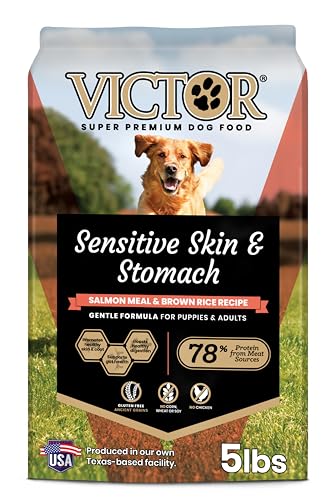
A salmon meal formula that puts protein first means this kibble is built around a single animal source, which is exactly what dogs with food sensitivities often need. The addition of prebiotics and probiotics supports gut health directly, while the omega fatty acids and vitamin E target the skin and coat issues that allergies tend to trigger. It suits owners who want a straightforward, chicken-free recipe with digestive support built in, without relying on exotic proteins or hydrolyzed ingredients.
This is not a grain-free formula, brown rice is present, so dogs with grain-specific allergies may need a grain-free option like Natural Balance Salmon & Sweet Potato instead. The 5-pound bag size is listed for this product, which may be a consideration for owners of larger dogs. If your dog does fine with grains and needs a salmon-based diet with extra gut support, this covers the bases without unnecessary complexity.
Blue Buffalo Basics Turkey Skin & Stomach Care

What We Like
- Real turkey as the #1 ingredient
- Limited ingredient diet for sensitivities
- No chicken by-product meals or corn
- Omega 3 & 6 for skin and coat
Trade-offs
- Contains wholesome grains, not grain-free
- Not suitable for dogs needing a hydrolyzed protein diet
A 24-pound bag of dry food with real turkey listed first means this is a straightforward limited-ingredient diet aimed at dogs with skin or stomach trouble. Blue Buffalo skips chicken by-product meals, corn, wheat, and soy, common triggers for allergic dogs, and adds Omega 3 and 6 fatty acids to support skin and coat health directly. That combination makes it a practical option for owners looking to avoid those common ingredients without switching to a grain-free formula.
This recipe includes wholesome grains, so it won’t suit owners committed to grain-free feeding. Compared to the Natural Balance Salmon & Sweet Potato option, which is grain-free and uses a different protein, Blue Buffalo Basics gives you a bigger bag at a similar weight but with grains. For a dog that tolerates grains and needs a turkey-based diet, this is a practical, widely available choice.
Nutro Limited Ingredient Diet Lamb & Sweet Potato
What We Like
- Lamb is the #1 ingredient
- 10 ingredients or less
- Omega 3 & 6 for skin and coat
- No chicken, corn, wheat, or soy
Trade-offs
- Single protein limits rotation options
- Not suitable for dogs needing hydrolyzed protein
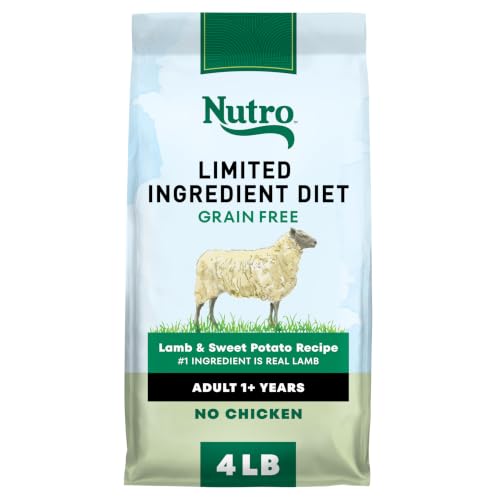
Ten ingredients or less means you can trace every single thing your dog eats, which is the whole point when you’re trying to figure out what’s causing the itching. Lamb is the #1 ingredient, and the Omega-3 and Omega-6 fatty acids are there to support sensitive skin and a healthy coat. This formula is made with non-GMO ingredients and no chicken by-product meal, corn, wheat, or soy, so it’s a straightforward option for owners who want to know exactly what’s in the bag.
Lamb is the #1 ingredient in this dry dog food, which uses 10 key ingredients or less to cater to dogs with sensitivities. Unlike Royal Canin HP Hypoallergenic’s hydrolyzed protein formula, this recipe relies on whole lamb and avoids chicken, beef, corn, wheat, and soy. For dogs that don’t need a prescription hydrolyzed diet, it’s a straightforward option that supports sensitive skin with Omega-3 and Omega-6 fatty acids.
Royal Canin Small Dog Sensitive Skin Care

What We Like
- Omega fatty acids nourish dry skin
- 91% of owners saw skin improvement in 2 months
- Pairs with wet food for variety
Trade-offs
- Only for small breeds up to 22 lb
- 3 lb bag is small for multiple-dog homes
- Results take 2 months of exclusive feeding
Omega-3 and Omega-6 fatty acids target dry skin and coat directly, which makes this formula a practical choice for a small dog whose allergies show up as flaky skin or a dull coat.
The two-month window before 91% of owners reported improvement means you need patience. Compared to the Royal Canin HP Hypoallergenic option, which uses hydrolyzed protein for food sensitivity support and elimination diets, this formula targets skin and coat health directly without restricting protein sources. It is a vet-developed food for a small breed with dry, sensitive skin, not a solution for severe food allergies that require a prescription elimination diet.
Product photos
Purina Pro Plan Veterinary Diets HA Hydrolyzed

What We Like
- Single hydrolyzed protein source
- Single carbohydrate source
- Highly digestible kibble
- Vegetarian formula
Trade-offs
- Not suitable for dogs needing a grain-free diet
- Vegetarian formula lacks animal-based protein sources
A single hydrolyzed protein source and a single carbohydrate source strip away the usual suspects behind food allergies. That makes this Purina Pro Plan formula a clean slate for dogs with sensitive systems, the kind of diet that lets you start over without guessing which ingredient triggered the reaction. The highly digestible kibble promotes optimal nutrient absorption, and the vegetarian base offers an alternative for dogs that react to common animal proteins like chicken or beef.
A vegetarian hydrolyzed formula isn’t a universal solution. Some dogs may do better with an animal-based hydrolyzed protein, such as the hydrolyzed protein in Royal Canin HP Hypoallergenic. But if your dog has reacted to multiple meat sources, this Purina option provides a hydrolyzed protein source that is designed to be highly digestible. Just be ready for a 25-pound bag, which is hefty, but for a dog with chronic allergies, the peace of mind is worth the lift.
Product photos
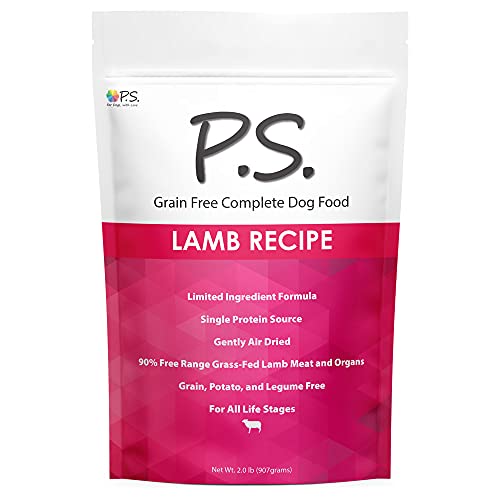
Ps For Dogs Hypoallergenic Dog Food
What We Like
- Human-grade New Zealand Lamb
- Air-dried for soft, irresistible texture
- Limited ingredient recipe
Trade-offs
- Only 2-pound bag size available
- Single protein limits rotation options
A single protein source, human-grade New Zealand Lamb, makes this a targeted option for dogs with suspected lamb sensitivities. The air-drying process creates soft, meaty pieces that even picky eaters tend to accept. For owners who want a simple, grain-free recipe without fillers or exotic proteins, this delivers a clean ingredient list backed by small-batch New Zealand production.
The trade-off is size: at only 2 pounds, this bag runs out fast for medium or large breeds, making it more practical as a trial or treat than a primary diet for bigger dogs. Compared to Royal Canin HP’s hydrolyzed protein formula, which is designed for food sensitivity support, this lamb formula uses a single intact protein source. That works well for dogs with confirmed lamb tolerance, but less so for elimination diets where you need a novel or hydrolyzed protein.
Product photos
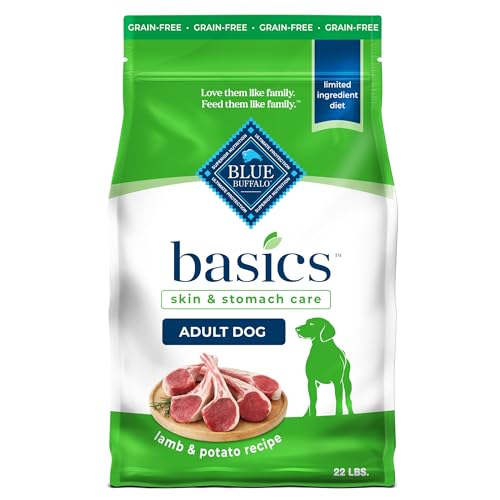
Blue Buffalo Basics Lamb Grain-Free Dry Dog Food
What We Like
- No chicken by-product meals
- Grain-free with no corn, wheat, soy
- Omega fatty acids support skin and coat
Trade-offs
- Not a prescription elimination diet
- Not a prescription hydrolyzed protein diet
Real lamb is the first ingredient in this grain-free, limited-ingredient dry dog food, which skips corn, wheat, soy, and chicken by-product meals. The formula includes Omega-3 and Omega-6 fatty acids to support skin and coat health, plus antioxidant-rich LifeSource Bits for immune system support. For someone who wants a straightforward recipe with a single animal protein and no common fillers, this covers the basics well.
This is not a hydrolyzed protein formula, so it won’t work for dogs that need a prescription elimination diet where proteins are broken down to avoid immune reactions. Royal Canin HP Hypoallergenic is a hydrolyzed option for that purpose. But for dogs that simply need a limited-ingredient, grain-free food with lamb as the main protein, Blue Buffalo Basics offers a clean recipe without the need for a prescription.
Product photos
Purina Pro Plan Sensitive Skin & Stomach Salmon Dry Dog Food
What We Like
- Real salmon is the first ingredient
- Contains guaranteed live probiotics for digestive health
- Oat meal is easily digestible and gentle
- Omega-6 fatty acids support healthy skin and coat
Trade-offs
- Contains grains, not suitable for grain-free diets
- Not a limited-ingredient formula for extreme allergies
A 30-pound bag of salmon-first kibble with guaranteed live probiotics means you get digestive and immune support built right into the food, not as an afterthought. That makes this a smart pick for dogs whose allergies show up as loose stools or a touchy stomach alongside itchy skin. The oat meal base is deliberately gentle, and the omega-6 from sunflower oil targets coat condition directly. It suits owners who want a straightforward, widely available formula that tackles two problems at once without needing a prescription.
This isn’t a stripped-down limited-ingredient diet. If your dog reacts to multiple grains or needs a minimal list of ingredients, the Natural Balance Salmon & Sweet Potato formula offers a tighter lineup. But for a dog that handles grains fine and just needs steady probiotic support alongside skin care, this Purina Pro Plan formula delivers a practical approach without the fuss of a veterinary-only food.
Product photos
How We Evaluated Dog Foods For Allergic Dogs
We evaluated these foods by analyzing ingredient lists, guaranteed analysis data, and manufacturer feeding protocols. Each formula was assessed against veterinary standards for elimination diets and long-term maintenance of dogs with confirmed or suspected food allergies. We also reviewed patterns in owner feedback across multiple retail platforms to understand real-world results.
The four criteria that mattered most were protein source and hydrolyzation status, carbohydrate source simplicity, inclusion of skin-supporting fatty acids, and the presence of probiotics or prebiotics for digestive health. A food with a single novel or hydrolyzed protein source scored higher than one with multiple potential allergens. We also prioritized formulas that clearly label their fat and fiber sources.
Research-based evaluation has limits. Without feeding trials on individual dogs, we cannot predict how any single dog will react to a particular protein or starch. Owner-reported outcomes are useful signals, not guarantees. For dogs with severe or unclear symptoms, a veterinarian-supervised elimination diet using a hydrolyzed prescription food remains the gold standard. For more on managing these conditions, see our guide to dog food allergies.
What To Look For In Dog Foods For Allergic Dogs
Choosing a food for an allergic dog means understanding how proteins, carbohydrates, and additives interact with your dog’s immune system. The right formula can reduce itching and improve stool quality.
Look for a single novel or hydrolyzed protein source, a simple carbohydrate like sweet potato or oatmeal, and added omega fatty acids for skin barrier support. Avoid foods with multiple protein sources, unnamed meals, or artificial additives.
Protein Source and Hydrolyzation
The protein is the most common trigger. Hydrolyzed proteins, like those in Royal Canin HP, are broken into fragments so small the immune system does not recognize them. Novel proteins, turkey, lamb, salmon, are less likely to cause reactions in dogs who have eaten only chicken or beef. A single protein source is safer than a blend. For dogs with confirmed chicken allergy, a chicken-free formula is essential.
Carbohydrate and Grain Simplicity
Many dogs with food allergies also react to common grains like wheat or corn. Grain-free options use sweet potato, peas, or oatmeal instead. Even grain-inclusive formulas should avoid corn and wheat as primary ingredients. A simple carbohydrate profile reduces the chance of a secondary reaction and improves digestibility.
Skin and Digestive Support Additives
Omega-3 and omega-6 fatty acids (EPA, DHA, linoleic acid) support the skin barrier and reduce inflammation. Probiotics and prebiotics aid digestion, which is often compromised in allergic dogs. Look for guaranteed levels of these additives, not just generic “omega-rich” claims. For persistent allergies and itchy skin, these nutrients make a measurable difference.
- Confirm the protein source is single and either novel or hydrolyzed.
- Check that the carbohydrate source is simple and clearly named.
- Verify omega fatty acid levels are guaranteed on the label.
- Ensure probiotics or prebiotics are listed if digestive issues are present.
- Read the “manufactured in” statement to verify facility sourcing.
A food with fewer than 15 identifiable ingredients is easier to troubleshoot than one with 30.
Dog Foods For Allergic Dogs Compared
The table below compares the ten best dog foods for allergic dogs by protein type, carbohydrate source, and key support features.
| Product | Protein Source | Diet Type | Weight |
|---|---|---|---|
| Royal Canin HP Hypoallergenic Dry Dog Food | Hydrolyzed soy protein | Veterinary-exclusive | 7.7 lb |
| Natural Balance Limited Ingredient Salmon & Sweet Potato | Salmon | Grain-Free | 24.0 lb |
| Victor Sensitive Skin & Stomach Salmon Dog Food | Salmon Meal | Gluten Free, No Chicken | 5 lb |
| Blue Buffalo Basics Turkey Skin & Stomach Care | Real Turkey #1 | No chicken, corn, wheat, soy | 24.2 lb |
| Nutro Limited Ingredient Diet Lamb & Sweet Potato | Lamb #1 ingredient | grain-free | 4.0 lb |
| Royal Canin Small Dog Sensitive Skin Care | N/A | N/A | 3.0 lb |
| Purina Pro Plan Veterinary Diets HA Hydrolyzed | N/A | Vegetarian formula | 25.0 lb |
| Ps For Dogs Hypoallergenic Dog Food | Human-grade New Zealand Lamb | Grain Free | 2.0 lb |
| Blue Buffalo Basics Lamb Grain-Free Dry Dog Food | Real lamb #1 ingredient | Grain-free, limited ingredient | 22.2 lb |
| Purina Pro Plan Sensitive Skin & Stomach Salmon Dry Dog Food | Real Salmon | N/A | 30.0 lb |
Frequently Asked Questions
What is the best dog food for dogs with allergies?
The best food depends on the specific allergy. For dogs on a veterinary elimination diet, a hydrolyzed protein formula like Royal Canin HP Hypoallergenic is the most reliable choice. For milder sensitivities, a limited-ingredient diet with a single novel protein, such as Natural Balance Limited Ingredient Salmon & Sweet Potato, often works well.
How do I know if my dog has a food allergy?
Common signs include chronic itching, recurrent ear infections, red or inflamed skin, and soft stools. These symptoms overlap with environmental allergies, so a food trial is the only way to confirm. Work with your veterinarian to run a strict eight- to twelve-week elimination diet using a hydrolyzed or novel protein food. For a full breakdown, see our guide to dog allergy symptoms.
Can I switch my dog to a limited ingredient diet without a vet?
You can, but it carries risk. Without a veterinary diagnosis, you may choose a protein that is still a trigger. A limited ingredient dog food with a single novel protein and a simple carbohydrate is a reasonable starting point for mild symptoms. For moderate to severe reactions, a vet-supervised trial is safer and faster.
Is grain-free dog food better for allergies?
Not necessarily. True grain allergies are less common than protein allergies. Grain-free foods help only if the dog specifically reacts to grains like corn or wheat. Many grain-free formulas still contain multiple protein sources that can trigger reactions. Focus on the protein source first, then evaluate the carbohydrate.
What is the difference between hydrolyzed and limited ingredient dog food?
Hydrolyzed protein is broken into tiny fragments that the immune system cannot recognize, making it the safest option for elimination diets. Limited ingredient diets use a single intact protein source and a small number of ingredients. Hydrolyzed foods are prescription-only and more expensive, while limited ingredient diets are available over the counter and suitable for maintenance.
The Bottom Line
For dogs with diagnosed or suspected food allergies, the Royal Canin HP Hypoallergenic Dry Dog Food is the most reliable choice. Its hydrolyzed soy protein and skin-supporting fatty acids make it the safest option for elimination diets, provided you have veterinary approval. Owners of large breeds should note the small bag size and plan for more frequent purchases.
If your dog has a sensitive stomach but no severe allergies, Natural Balance Limited Ingredient Salmon & Sweet Potato offers an effective single-protein, grain-free alternative. For dogs that do well on salmon and need digestive support, the Purina Pro Plan Sensitive Skin & Stomach Salmon formula with guaranteed live probiotics is a strong maintenance option. For older dogs with chronic issues, consider our guide to food for senior dogs and hypoallergenic puppy food options for age-appropriate options.
The single most important factor in managing food allergies is identifying and removing the trigger protein. Everything else, grain content, additive profile, bag size, comes second. Start with a single-protein hydrolyzed or novel food, observe your dog for at least eight weeks, and adjust only with your veterinarian’s guidance.
